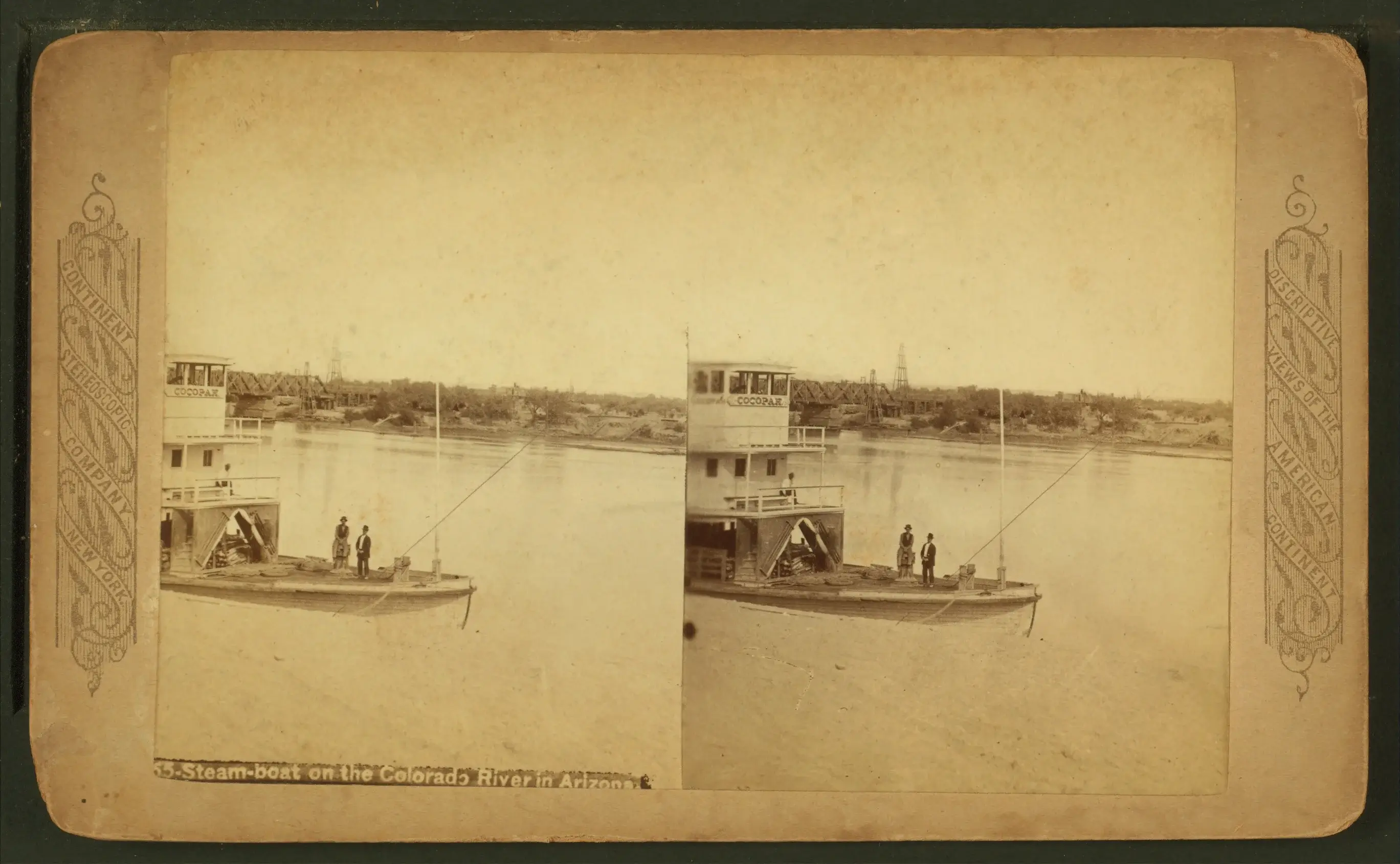
Introduction
Colorado offers exceptional boating opportunities across its numerous mountain lakes, reservoirs, and rivers. From the high-altitude waters of Dillon Reservoir and Grand Lake to the warm waters of Pueblo Reservoir, the Centennial State provides diverse experiences for boaters, sailors, and paddlers, including events like the Colorado Dragon Boat Festival and vessels such as the Colorado pontoon boat. Colorado Parks and Wildlife (CPW) provides boating safety news and oversees regulations, registration, and aquatic nuisance species prevention to ensure safe and responsible enjoyment of the state's waterways. Additionally, knowing how to winterize a boat is essential for protecting vessels during Colorado's cold winters.
At a Glance
Registration
Any boat with a motor (gas or electric) or sail operated on Colorado public waters must be registered with Colorado Parks and Wildlife under colorado boat registration rules. Registration is valid for one calendar year (January 1 to December 31). Fees vary by vessel length: under 12 feet are $25, 12 to 16 feet are $50, 16 to 26 feet are $75, and over 26 feet are $100 annually. Out-of-state boats may operate in Colorado for up to 60 consecutive days with a valid registration from their home state. Registration requires proof of ownership, including a boat hin lookup for hull identification, and payment of applicable fees, including the Aquatic Nuisance Species (ANS) Stamp. Boat registration numbers must be displayed on the hull, and the boat rego number is used for identification. Unlike TWRA boat registration, Colorado's must be renewed annually by December 31.
Safety Education
Effective June 1, 2024, operators must be at least 18 years old to operate a motorboat on Colorado waters, unless they are between 14 and 17 years old and have successfully completed a NASBLA-approved boating safety course, such as a boater safety class wisconsin or nj boater safety course, approved by CPW and possess a valid Boating Safety Certificate. Anyone under 14 cannot operate a motorboat or personal watercraft. The boating safety course covers navigation rules, required equipment, Colorado boating laws, BUI awareness, and safe operating practices for vessels including a colorado pontoon boat or a colorado xt pontoon boat. Special events like the Colorado Dragon Boat Festival emphasize safety, and resources like a colorado boat center can provide guidance on classic accessories colorado pontoon boat. Operators 18 and older are not required to take a course but are strongly encouraged to do so. Out-of-state residents may use a NASBLA-approved boating safety certificate from their home state. Boating safety certificates do not expire.
Safety Equipment
All vessels must carry a US Coast Guard-approved, properly sized, serviceable life jacket for each person on board, readily accessible. Children 12 and under must wear a USCG-approved life jacket while the vessel is underway. Boats 16 feet or longer must also carry a USCG-approved throwable flotation device (ring, cushion, or horseshoe buoy) immediately accessible. Most motorboats must carry a marine fire extinguisher. All vessels must carry an efficient sound-producing device such as a whistle or boat horn. Boat navigation lights and general boat lighting are required when operating between sunset and sunrise and during restricted visibility: power-driven vessels must display red and green sidelights and a white stern light or all-around white light. Personal watercraft operators and anyone being towed (water skiing, tubing, wakeboarding) must wear a USCG-approved life jacket. Vessels towing skiers or tubers must have either an observer (spotter) in addition to the operator or a wide-angle rearview mirror. For anchoring, a boat anchor and boat anchor winch are common equipment.
Boating Laws
Boating Under the Influence (BUI) is illegal in Colorado with a BAC limit of 0.08 percent, applying to all vessels including non-motorized craft. Penalties include fines up to $1,000 and possible jail time. All vessels, including a colorado pontoon boat, colorado xt pontoon boat, or classic accessories colorado pontoon boat, must maintain a safe speed and obey posted speed limits and restricted areas. Operators must follow navigation right-of-way rules and are legally responsible for avoiding danger. Water skiing, tubing, and wakeboarding are permitted only from sunrise to sunset. A spotter is required when towing anyone behind a vessel. Accident reporting is required within 5 days for incidents involving death, disappearance, injury requiring medical attention, or property damage exceeding $500. All vessels must carry proof of registration and, where required, a Boating Safety Certificate while operating. Colorado law also requires observance of all no wake zones and restricted areas, which may be enforced during events like the colorado dragon boat festival. For more information, contact a colorado boat center.
Where to Boat
Colorado has over 2,000 lakes and reservoirs, plus thousands of miles of rivers. Popular boating destinations, each with multiple boat ramps and boat launches, include Dillon Reservoir, Lake Granby, Grand Lake, Horsetooth Reservoir, Carter Lake, Pueblo Reservoir, Chatfield Reservoir, Cherry Creek Reservoir, Boyd Lake, and the Colorado River. From the challenges of gremlin cove boat ramp closed to the vibrancy of boats lake elsinore, and the expertise of a lake norman boater, Colorado's waterways offer diverse opportunities for all.
Invasive Species
Colorado has stringent Aquatic Nuisance Species (ANS) regulations. An ANS Stamp is required for all motorized boats and sailboats operating on Colorado waters. Boaters must Clean, Drain, and Dry their vessel after every trip as required by law, especially to prevent quagga mussels found in boats. Most trailered and motorized boats are subject to mandatory inspection at boat inspection stations at major reservoirs, especially those on the Western Slope. Before launching, boaters must stop at an inspection station if one is present. It is illegal to launch a boat that has not been inspected when an inspection station is open. All water must be drained from bilges, livewells, ballast tanks, and engine cooling systems before leaving any water body, which may involve boat drain plug installation or using a jon boat drain plug. Boats must be fully dry for at least 5 days before entering a different water body, or 18 days during winter. Failure to comply can result in fines and denial of launch privileges. For navigation safety, some boats use a boat ais system or ais for boats.
Frequently Asked Questions
Do I need a license to operate a boat in Colorado?
No boating license is required, but operators aged 14 to 17 must complete a NASBLA-approved boating safety course and carry a Boating Safety Certificate. As of June 1, 2024, operators under 18 cannot operate a motorboat without this certification.
What safety equipment is required on my boat?
Required equipment includes a USCG-approved life jacket for each person (children 12 and under must wear theirs), a throwable flotation device on vessels 16 feet or longer, a fire extinguisher on most motorboats, a sound-producing device, and navigation lights for night operation. Vessels towing skiers need a spotter or wide-angle mirror.
How do I register my boat in Colorado?
Register with Colorado Parks and Wildlife. Any boat with a motor or sail on public waters must be registered. Annual fees range from $25 for vessels under 12 feet to $100 for vessels over 26 feet. The ANS Stamp is included with registration.
What are the age requirements for boating?
No one under 14 may operate a motorboat. Operators aged 14 to 17 must complete a boating safety course and carry a certificate. As of June 1, 2024, operators under 18 need the certificate to operate. Children 12 and under must wear a life jacket while underway.
What are the BUI laws in Colorado?
Boating Under the Influence is illegal with a BAC limit of 0.08 percent, applying to all vessels including kayaks and canoes. Penalties include fines up to $1,000 and potential jail time.
What are the Clean, Drain, Dry requirements?
Colorado law requires boaters to clean all plants and mud from vessels, drain all water from bilges, livewells, and engines, and dry vessels thoroughly between trips. An ANS Stamp is required. Most reservoirs have mandatory boat inspection stations.
What is another name for Colorado boating regulations?
Colorado boating regulations are also referred to as CPW boating rules, Colorado Parks and Wildlife boating safety requirements, or Colorado ANS (Aquatic Nuisance Species) boating laws.