How To Camp
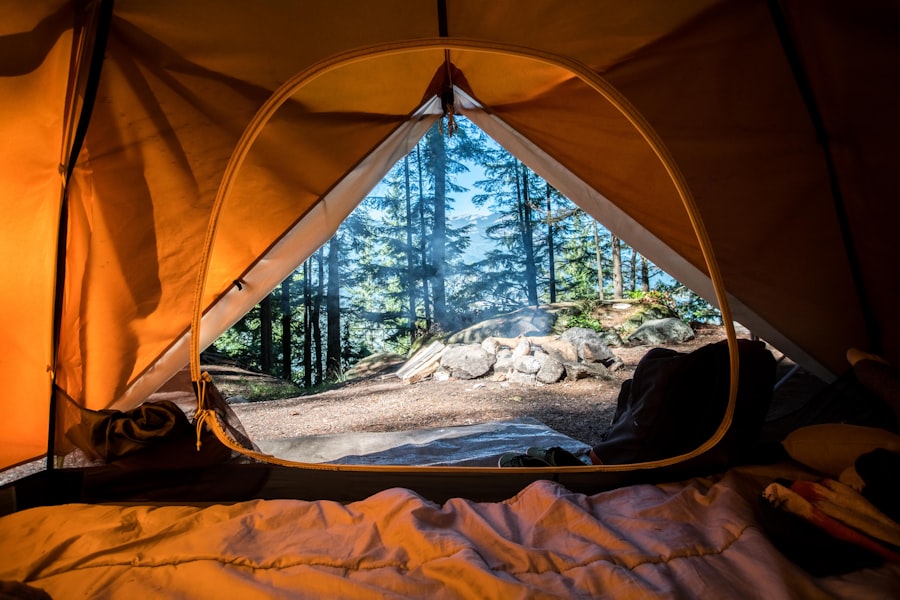
Choose Your Campsite
Campgrounds with bathrooms, water, and sometimes electricity are perfect for beginners. Backcountry and wild camping is more remote and needs permits and planning. Always check weather, terrain, and local rules before you go.
- ✓Developed campgrounds: restrooms, water, fire rings — best for first-timers
- ✓Backcountry sites: remote, peaceful, requires permits and planning
- ✓Check weather, terrain, wildlife rules, and fire bans before leaving
Pack the Essentials
You don't need to bring everything — just the right things. A solid kit covers shelter, sleep, food, clothing, tools, and safety. Start minimal and build up trip by trip.
Setup & Survival
Types of Camping
Car Camping
Drive-up sites with a fire ring, picnic table, and parking spot. The easiest entry point for first-timers and families — book via Recreation.gov or Reserve America.
RV Camping
Full-hookup sites with water, electric, and sewer. Check length limits and low-clearance roads. KOA campgrounds offer a reliable nationwide network for RV travelers.
Primitive Tent
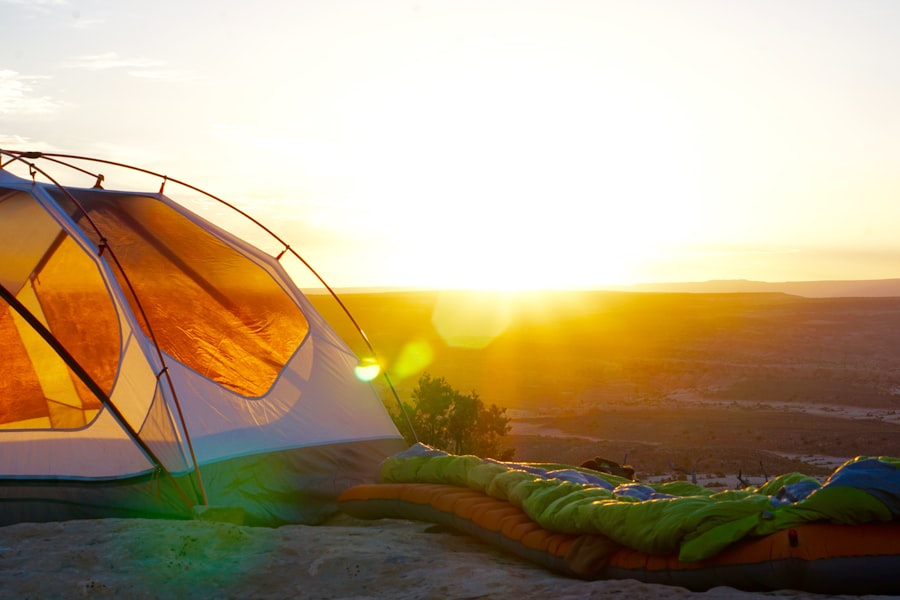
Vault toilets, water spigots, and a clearing in the woods. Quiet, cheap, and closer to wild — ideal for campers who want simplicity without going fully off-grid.
Backcountry
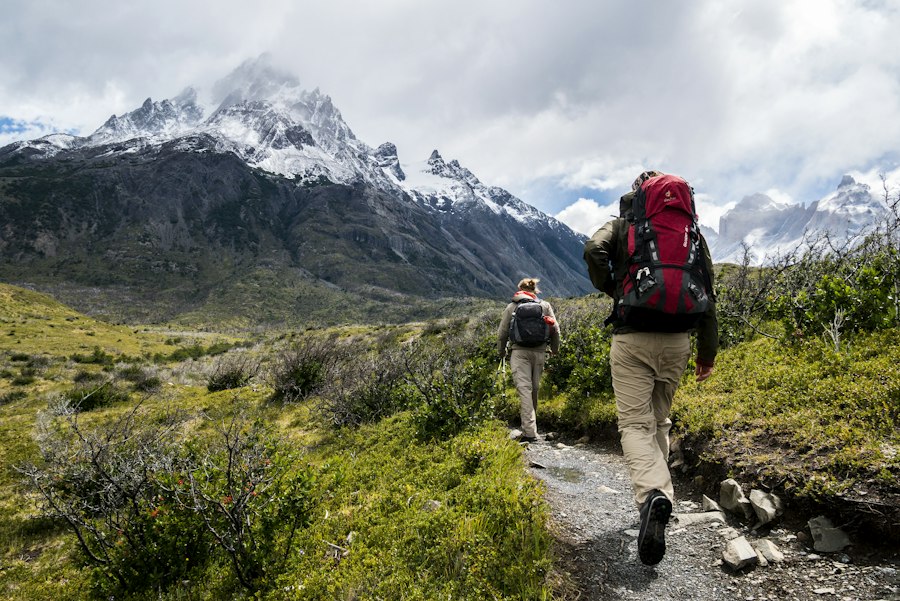
Permit-required wilderness sites reached on foot. Bear canisters, water filters, and leave-no-trace ethics are non-negotiable. The reward: solitude most people never see.
The Real Benefits
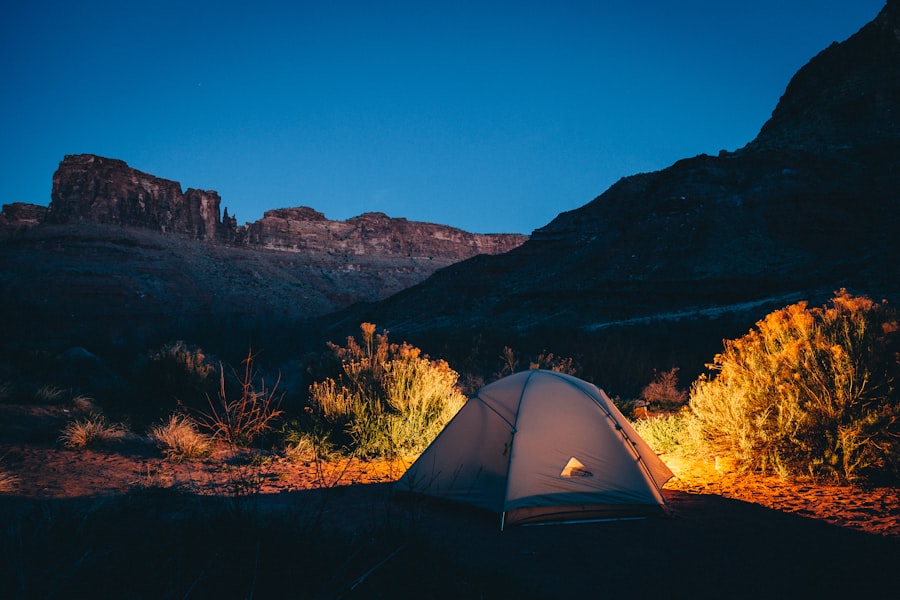
Camping strips away the noise. No Wi-Fi, no deadlines — just a tent, a fire, and the stars. Here's what you actually gain.
Latest Articles

Your Next Campsite
Is Waiting.
Reservation portals, road restrictions, fire bans, and campground rules — all in one place for every state.
Browse State Guides →