Introduction
Georgia offers excellent boating opportunities across its diverse waterways, from the Atlantic coast and Savannah River to Lake Lanier and the numerous reservoirs throughout the state. The Georgia Department of Natural Resources Law Enforcement Division oversees boating safety and regulations. Stay informed with boating safety news, learn how to winterize a boat for seasonal care, and practice safe boat docking. While boating forecast miami fl is for another region, knowing how to boat eye local conditions matters. Resources on how to build a boat are separate from operational safety. Whether you are cruising on Lake Lanier, fishing the Altamaha River, or exploring the Georgia coast, understanding Georgia boating laws, registration requirements, and safety regulations is essential for a safe experience on the water.
At a Glance
Registration
Boat registration georgia requires all motorized vessels and sailboats to be registered with the Georgia Department of Natural Resources. For convenience, boat registration ga follows the same rules. Registration is valid for one year and must be renewed annually. Fees vary by vessel length. Boat registration numbers (also known as boat rego number) must be displayed on the forward half of the vessel on both sides in bold block letters at least 3 inches high in a color contrasting with the hull. The registration decal must be displayed within 6 inches of the registration number. Non-motorized vessels including canoes, kayaks, and rowboats are exempt from registration. Out-of-state boats, including those with florida boat registration, may operate in Georgia for up to 60 consecutive days with valid registration from their home state. For vessel identification, a boat hin lookup is useful when checking history.
Safety Education
Anyone born on or after January 1, 1998 operating a motorized vessel in Georgia must successfully complete a DNR-approved georgia boater safety course and carry a Boater Education Card, also known as a boating license georgia or georgia boaters license, while operating. The course is available online through approved providers or in a classroom setting. While other states like Wisconsin require a boater safety class wisconsin or New York offers a new york boating safety course, Georgia has its own approved curriculum. Some online platforms may have unusual names such as boating course skip randomizer or boating course - cave chest, but these are not Georgia-approved. The Boater Education Card does not expire. Persons under 12 years of age may not operate a motorized vessel unless accompanied by a competent adult 18 years or older. Personal watercraft operators must be at least 12 years old and must have completed the boater education course if born on or after January 1, 1998.
Safety Equipment
All vessels must carry a US Coast Guard-approved life jacket of appropriate size for each person on board, in serviceable condition and readily accessible. Children under 10 years old must wear a USCG-approved life jacket while on a vessel that is underway. Boats 16 feet or longer must carry a USCG-approved throwable flotation device immediately accessible. Most motorized vessels must carry a fire extinguisher, especially those with built-in fuel tanks or enclosed compartments. All vessels must carry a sound-producing device such as a whistle or boat horn. Additionally, a boat anchor and boat anchor winch are strongly recommended for secure stops. Boat lighting, including boat navigation lights, must be displayed between sunset and sunrise and during restricted visibility. Visual distress signals are required on coastal waters for vessels operating on federal waters.
Boating Laws
Boating Under the Influence (BUI) is illegal in Georgia with a BAC limit of 0.08 percent. Penalties include fines, jail time, and mandatory boater education. All vessels must observe posted speed limits and no wake zones. Personal watercraft may not operate between sunset and sunrise and must have the engine cutoff switch lanyard attached to the operator. Water skiing and tubing are allowed only during daylight hours and require either an observer or wide-angle rearview mirror. Accident reporting is required for incidents involving death, disappearance, injury requiring medical attention, or property damage exceeding $500. Georgia law also prohibits operating any vessel in a reckless or careless manner. For reference, other states like Minnesota have their own minnesota boating permit law, but Georgia requires a boating license georgia, often called a boating license in georgia or georgia boaters license, for those born after 1998. When transferring ownership, a georgia boat bill of sale is typically required. Some boaters ask about a georgia temporary license, but the standard Boater Education Card
Where to Boat
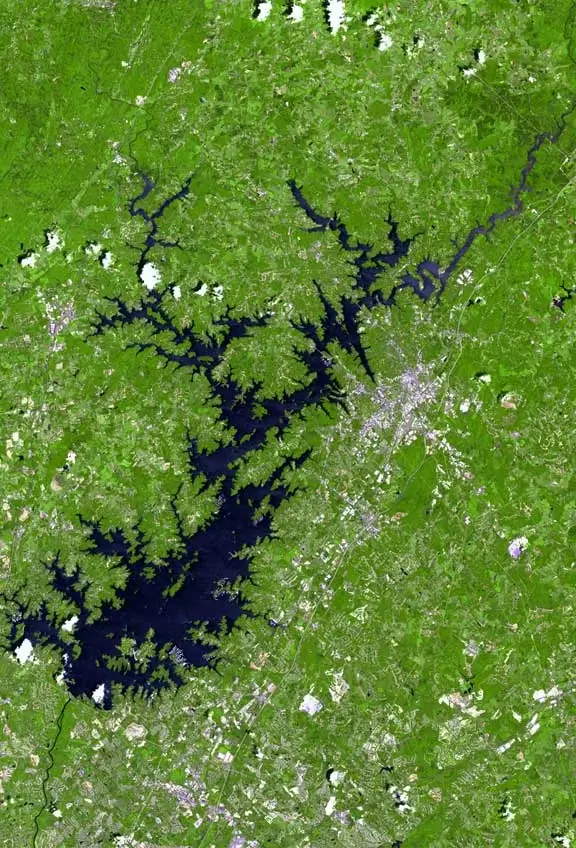
Georgia has over 4,000 miles of streams and rivers, plus numerous large reservoirs. Popular boating destinations with convenient boat launch and boat ramp facilities include Lake Lanier (Lake Sidney Lanier), Lake Allatoona, Lake Hartwell, Lake Seminole, Clarks Hill Lake, Lake Oconee, Lake Sinclair, Lake Blackshear, the Savannah River, the Chattahoochee River, and Georgia's Atlantic coast including Cumberland Island and Tybee Island. Unlike areas such as boats lake elsinore or lake norman boater destinations, Georgia offers diverse environments. Boaters should be aware of local conditions as gremlin cove boat ramp closed status is an example of factors to check elsewhere, but Georgia ramps are generally well-maintained.
Invasive Species
Georgia boaters should take precautions to prevent the spread of aquatic invasive species including hydrilla, water hyacinth, and zebra mussels. Clean, Drain, and Dry procedures are recommended: remove all plants and mud from vessels and trailers before leaving any water body, drain all water from bilges, livewells, and engine cooling systems, and dry the vessel thoroughly before launching in another waterway. For instance, if quagga mussels found in boat are a concern, thorough draining is critical. Proper boat drain plug installation ensures water removal, and on small craft like a jon boat drain plug must be removed. The Georgia DNR encourages boaters to report sightings of aquatic invasive species.
Frequently Asked Questions
Do I need a license to operate a boat in Georgia?
No boating license required, but anyone born on or after January 1, 1998 must complete a DNR-approved boater education course and carry a Boater Education Card while operating a motorized vessel.
What safety equipment is required on my boat?
Required equipment includes a USCG-approved life jacket for each person (children under 10 must wear theirs), a throwable flotation device on vessels 16 feet or longer, a fire extinguisher (on most motorized vessels), a sound-producing device, and navigation lights.
How do I register my boat in Georgia?
Register with the Georgia DNR Law Enforcement Division. All motorized vessels and sailboats must be registered. Annual registration renewal is required. Out-of-state boats have a 60-day grace period.
What are the age requirements for boating?
Persons under 12 may not operate a motorized vessel unless accompanied by an adult 18 or older. Children under 10 must wear a life jacket while the vessel is underway. PWC operators must be at least 12.
What are the BUI laws in Georgia?
Boating Under the Influence is illegal with a BAC limit of 0.08 percent. Penalties include fines, jail, and mandatory boater education.
What is another name for Georgia boating regulations?
Georgia boating regulations are also referred to as Georgia DNR boating safety rules, GA boating laws, or Georgia Boater Education requirements.