Introduction
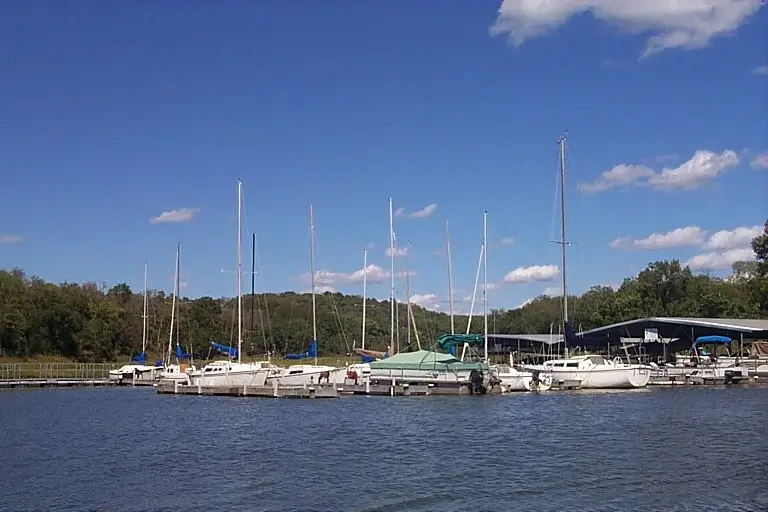
Kansas offers boating on over 150 lakes, 10,000 stream miles, and 55,000 ponds providing excellent opportunities for boaters of every kind. The Kansas Department of Wildlife and Parks oversees boating regulations and safety.
At a Glance
Registration
All motorized vessels operated on Kansas waters must be properly registered. Contact the Kansas Department of Wildlife and Parks for registration requirements and procedures.
Safety Education
Any person between the ages of 12 and 20 who wishes to operate a PWC without being under direct and audible supervision must complete an approved boater education course.
Safety Equipment
Every person on board a PWC is required to wear a USCG-approved personal flotation device. Inflatable life jackets are not allowed on PWCs. Use the equipment checklist tool on the KDWP website to determine what equipment you need on your boat. Equipment requirements vary by vessel type.
Boating Laws
Personal watercraft must be operated at no-wake speeds (5 mph or less) within 200 feet of any dock, boat ramp, swimmer, bridge, moored or anchored boats, sewage pump-out facilities, boat storage facility, concessionaire facility, or non-motorized watercraft. PWCs are not legal to operate between sunset and sunrise. Each person operating a PWC equipped with a lanyard engine cut-off shall attach the lanyard to the operator's person, clothing, or life jacket. A person shall not operate a PWC unless facing forward. Operators involved in a boating accident must immediately stop and assist anyone injured, provide name and address, and notify KDWP immediately.
Where to Boat
Major boating waters include Milford Lake, Tuttle Creek Lake, Clinton Lake, Perry Lake, Wilson Lake, Cheney Reservoir, Elk City Lake, and the Kansas River. The state's waters range from large federal reservoirs to small community lakes.
Invasive Species
Boaters should take precautions to prevent the spread of aquatic invasive species by cleaning, draining, and drying their vessels between trips.
Frequently Asked Questions
What are the PWC regulations in Kansas?
No wake within 200ft of docks, ramps, swimmers. Not legal between sunset and sunrise. Everyone must wear a USCG-approved PFD (no inflatables). Lanyard must be attached.
At what age can I operate a PWC in Kansas?
Ages 12-20 must complete an approved boater education course to operate a PWC without direct adult supervision.