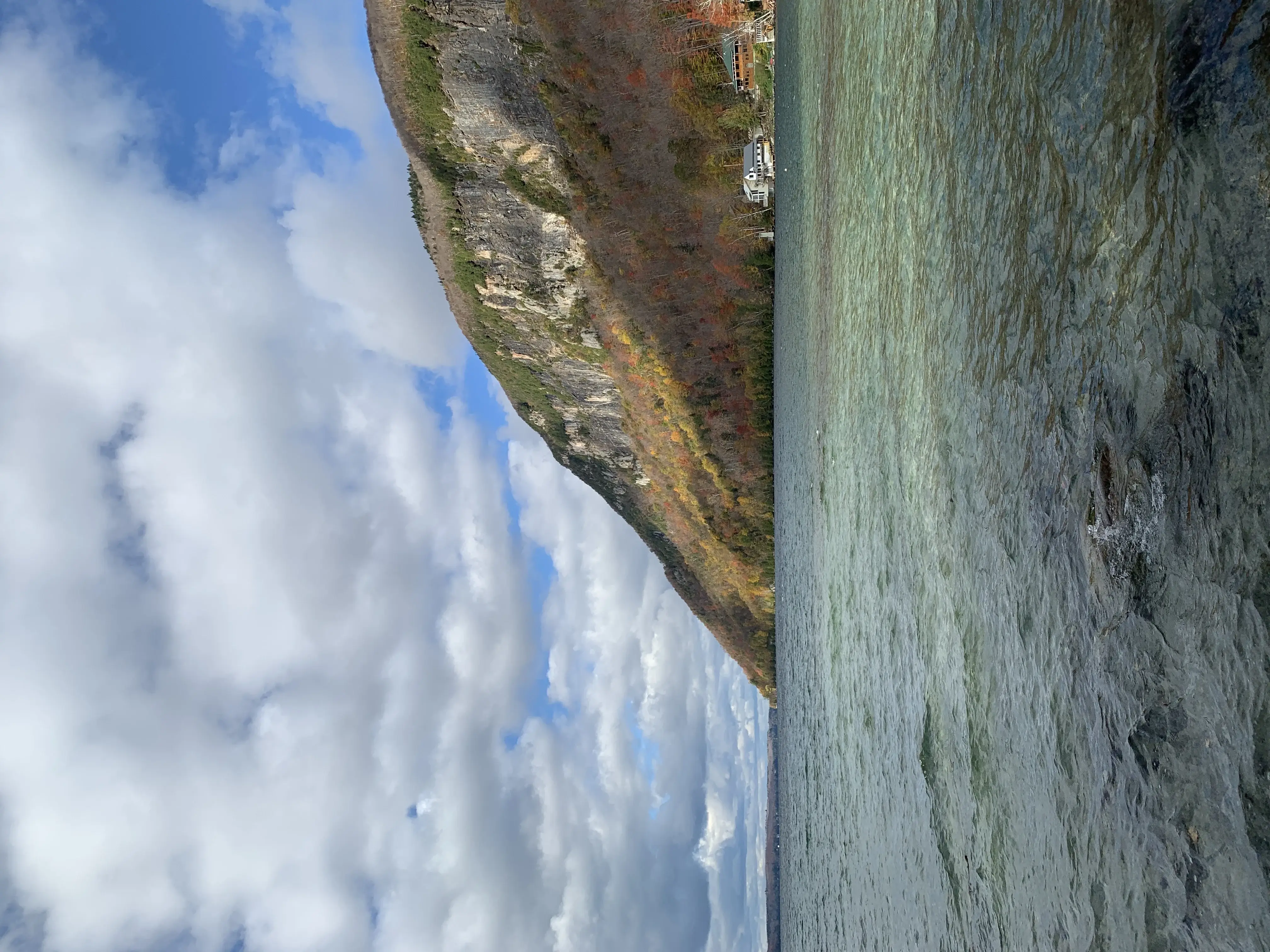
Introduction
Vermont offers scenic boating on Lake Champlain, Lake Memphremagog, and hundreds of smaller lakes and ponds along with rivers like the Connecticut, Winooski, and Lamoille. The Vermont Fish and Wildlife Department oversees boating safety and education.
At a Glance
Registration
A Vermont Certificate of Registration and validation stickers are needed to operate any vessel propelled by a motor legally on the public waters of Vermont. Registration and title application forms are available from the Vermont Department of Motor Vehicles.
Safety Education
Vermont law requires all motorized boat and PWC operators born after January 1, 1974, to pass a boater safety course and to carry a boater education card. A Vermont-approved online boating license course is available. Lost certificates can be reprinted online. In-person courses are also available and can be found on the Vermont Fish and Wildlife website.
Safety Equipment
Required safety equipment must be carried on all vessels as specified by Vermont and US Coast Guard regulations. Equipment requirements vary by vessel type and length.
Boating Laws
All boaters must follow Vermont boating laws and navigation rules. Safe operation practices are enforced by Vermont law enforcement authorities. Boating under the influence is prohibited.
Where to Boat
Primary boating waters include Lake Champlain, Lake Memphremagog, the Connecticut River, Lake Bomoseen, Lake Dunmore, the Winooski River, and the Lamoille River. Lake Champlain is the largest lake and offers extensive recreational boating opportunities.
Invasive Species
Vermont law requires boaters to Clean, Drain, and Dry their vessels before moving between waterbodies. Clean off any mud, plants, and animals from boat, trailer, motor, and equipment. Drain all water from boat, engine, and other equipment away from the water. Dry anything that comes into contact with the water for at least five days if hot water rinsing is not an option.
Frequently Asked Questions
Do I need a boater safety course in Vermont?
Yes, all motorized boat and PWC operators born after January 1, 1974 must pass a boater safety course and carry their education card.
What are the Clean, Drain, Dry requirements in Vermont?
Clean mud, plants, and animals from equipment. Drain all water away from the water body. Dry equipment for at least five days if hot water rinsing is not available.