The first time I went camping with friends, I showed up with a suitcase full of clothes and absolutely zero food. We ended up driving 45 minutes to the nearest grocery store every single day, spending way too much money on overpriced snacks and pre-made sandwiches that tasted like cardboard. By the third day, we were all hangry and exhausted. That trip taught me one important lesson: good camping food isn't just about taste — it's about making your entire trip more enjoyable. When you're not scrambling for meals, you actually get to relax and have fun. Here's everything I've learned about camping meal planning, from packing strategies to easy cooking tips that will save you time, money, and frustration.

Packing and Planning Your Camping Meals
Step 1: Create a Simple Meal Plan
Before you even touch your camping gear, sit down and map out your trip. Take a piece of paper or open a notes app and list the days you'll be camping along with each meal you'll need — breakfast, lunch, dinner, and snacks. This high-level view shows you exactly how many meals to pack and helps you avoid bringing way too much or, worse, not enough.
As you're planning, check for local fire restrictions. If there's a burn ban in place, you won't be able to cook over a campfire, so you'll need to plan meals that work on a camp stove or are no-cook options. This simple step can save you from showing up with a bag of firewood and a menu that requires flames.
If you're cooking for a large group, consider buying in bulk at warehouse stores. You can find giant bags of pancake mix that will last multiple trips, trail mix for snacks, and pre-cooked chicken sausages that just need to be heated up. Buying in bulk for group camping trips is a smart way to keep costs down and simplify your packing.
Step 2: Prep Everything You Can at Home
One of the biggest time-savers is doing as much prep work as possible before you leave. Look through your meal plan and ask yourself: what can I do at home that will make camp cooking easier? Wash and cut vegetables, clean fruit, marinate meat, or pre-measure dry ingredients. Even small tasks like chopping an onion or mixing a spice blend at home can save you ten minutes of scrambling at camp.
Prepping at home also means you're working in a familiar kitchen with all your tools, running water, and proper lighting. Trust me, trying to chop vegetables on a wobbly picnic table by headlamp is not the relaxing camping experience you're looking for.
Step 3: Pack Leftovers for the First Night
The first night of a camping trip is always the busiest. You've been traveling, setting up camp, inflating sleeping pads, and probably dealing with at least one minor disaster. The last thing you want to do is cook a complicated meal. That's why packing leftovers is one of my favorite hacks.
Before your trip, cook a little extra dinner or save whatever leftovers you have. Pack them in your cooler, and on arrival night, all you have to do is heat them up. Taco meat works great for this — just warm it up and you've got tacos in minutes. I've also done this with pulled pork; I packed the meat, some buns, and barbecue sauce, and we had a delicious, no-stress meal while we finished setting up camp.
Step 4: Pack Containers for Camp Leftovers
Here's a mistake I've made more times than I'd like to admit: cooking a big meal at camp, having leftovers, and realizing I have nothing to store them in. Now I always pack some collapsible containers. Silicone bags are perfect because they take up almost no space when they're empty. You can fold them flat and tuck them into your food bin until you need them.
These containers are also great for storing opened blocks of cheese, butter, or any ingredients you've partially used. Having a few on hand means you can keep your cooler organized and avoid wasting food.
Step 5: Pack Backup Meals
No matter how carefully you plan, things can go wrong. Maybe you end up staying an extra day, or a meal doesn't turn out as expected, or you simply underestimated how hungry everyone would be. That's why backup meals are essential.
Backup meals are shelf-stable items that can hang out in your food bin indefinitely. Think packets of ramen, instant pancake mix that only needs water, canned soups, or Indian food packets with rice. These don't require refrigeration and can save you in a pinch. They're also great for those nights when you're just too tired to cook anything elaborate.
Step 6: Portion Out Sauces and Condiments
Instead of bringing full-size containers of sour cream, salsa, or maple syrup, portion them into smaller reusable containers at home. This saves space in your cooler and is actually more economical. If you buy sour cream in bulk, you're already paying less per ounce than you would for those tiny camping-sized containers at the grocery store. Plus, you're not stuck with a half-empty giant jar of salsa at the end of your trip.
Small containers are also perfect for pre-mixed spice blends. If you have a favorite seasoning mix, measure it out at home and store it in a tiny container. At camp, you just dump it in — no measuring required.
Step 7: Use Reusable Ice Packs in Your Cooler
For short weekend trips, reusable ice packs are a game-changer. They stay colder than regular ice and last longer, plus they don't melt into a puddle of water that soaks everything in your cooler. I've been using the same set for years, and they're still going strong.
One thing to note: these ice packs can be extremely cold — cold enough to freeze some foods if they're directly on top of them. I usually wrap mine in a towel before putting them in the cooler. For longer trips, you might still need to add some regular ice, but for a weekend getaway, ice packs alone work great.
Step 8: Pack a Meat Thermometer
A simple, inexpensive meat thermometer is one of those small items that makes a big difference. Cooking over a campfire or camp stove isn't as precise as your kitchen oven, so it's easy to end up with undercooked or overcooked meat. A thermometer lets you check that chicken is fully cooked and burgers are safe to eat. I keep one in my camping food bin permanently so I never forget it.
Step 9: Use Clear Bins to Stay Organized
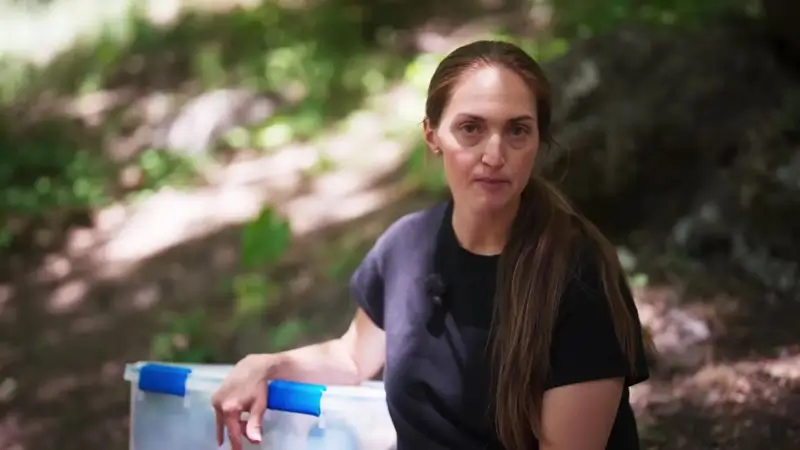
Organization is key to stress-free camping meals. I use two clear plastic bins: one for pantry items (things that don't need refrigeration) and one for all my cooking gear. Clear bins make it easy to see what's inside without digging through everything.
This system has several benefits. First, it's easy to carry bins to and from camp. Second, everything has a home, so you're not searching for the can opener while your onions burn. Third, bins help keep small critters like mice and ants out of your food. Just remember, these bins are not bear-proof, so always check local food storage regulations and use bear canisters or lockers where required.
Easy Camping Meal Strategies
Tip 1: Use Pre-Cooked Rice Packets
This is probably my biggest camping meal hack. Pre-cooked rice packets are shelf-stable, require no cooking, and can be added to almost any one-pot meal. Instead of waiting 20 minutes for rice to cook over a camp stove, you just tear open a packet and dump it in.
I use these in stir-fries, curries, fried rice, and countless other meals. They're the foundation of quick, filling, one-pot dinners that require minimal cleanup. Keep a few packets in your pantry bin, and you'll always have a base for a satisfying meal.
Tip 2: Buy Pre-Cut Vegetables
If you're not someone who enjoys chopping vegetables at camp, or if you're just trying to save time, pre-cut veggies are your friend. Many grocery stores sell stir-fry mixes, pre-washed salad greens, and chopped vegetables that are ready to go. You can even wash and cut your own at home before the trip, then store them in your cooler.
For meals later in your trip, you might want to cut vegetables at camp to keep them fresh longer. But for that first night or any meal where you want things quick, pre-cut options are a lifesaver.
Tip 3: Stock Up on Pre-Made Sauces and Spice Packets
Individual sauce packets and seasoning mixes make camp cooking incredibly simple. Instead of packing ten different spice jars, you can grab a packet of fajita seasoning, taco mix, or stir-fry sauce. These take up almost no space and add tons of flavor with zero effort.
You can also mix your own spice blends at home and store them in small containers. Either way, having pre-made seasonings means you don't have to think about ratios or measurements at camp — just dump and cook.
Tip 4: Master the One-Pot Meal Formula
Here's a simple formula that works for countless camping meals: rice packet + protein + vegetables + sauce or spices = delicious one-pot meal. You can change up the protein (chicken, beef, tofu, sausage), switch the vegetables, or use different sauces to create variety. This formula is flexible, requires minimal cleanup, and never gets boring.
I have dozens of recipes that follow this basic structure, and they're all designed to be cooked in a single pot or pan. Less cleanup means more time enjoying the campfire.
Tip 5: Use Rotisserie Chicken
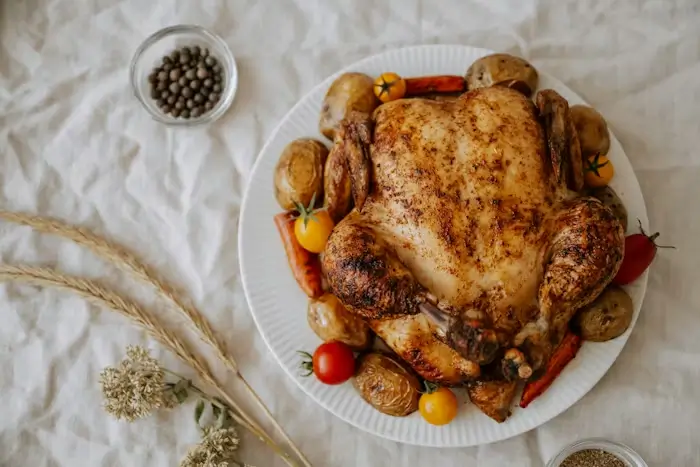
A pre-cooked rotisserie chicken is one of the most versatile camping ingredients you can buy. The day before your trip, pick one up, shred the meat, and store it in your cooler. At camp, you can use it in wraps, quesadillas, salads, or just eat it cold with some crackers.
I also like to make chicken salad at home and pack it in the cooler. It's a high-protein, no-cook lunch that's ready whenever you are. Rotisserie chicken saves you from having to cook raw meat at camp, which means less mess and less worry about food safety.
Camp Cooking Tips
Tip 1: Prepare Before You Start Cooking
Before you light your stove or start your fire, take a few minutes to get organized. Read through your recipe, lay out all your ingredients, and make sure you have the right cookware and utensils. Dice your onions, measure your spices, and have everything within reach.
If you skip this step, you'll find yourself frantically searching for a cutting board while your meat burns. Taking five minutes to prep makes the actual cooking process relaxed and enjoyable. If you're camping with others, don't be afraid to delegate tasks. Someone can grill the meat while you prep the vegetables. Cooking together is part of the fun.
Tip 2: Invest in a Good Cast Iron Pan
A cast iron skillet is the ultimate camping cookware. It's durable, versatile, and will last a lifetime if you take care of it. You can use it on a camp stove or directly over a campfire, so you don't need different pans for different heat sources. Well-seasoned cast iron gives food an incredible flavor that's hard to replicate with other pans.
Cleaning cast iron at camp is simple too — just scrape out any food residue, rinse with hot water (no soap), and dry it thoroughly. A little oil rubbed on the surface will keep it seasoned and ready for the next meal.
Tip 3: Wait for a Bed of Coals Before Cooking Over Fire
When cooking over a campfire, patience is key. Don't try to cook over roaring flames — wait until the fire has burned down to a nice bed of hot coals. This gives you consistent, even heat that's much easier to manage. Starting with a good coal bed means your food will cook evenly and you won't have to constantly adjust your pan's position.
Building a good fire takes time, so plan accordingly. Start your fire well before you want to eat, and keep feeding it until you have a substantial bed of coals to work with.
Tip 4: Be Prepared for Cooking Injuries
When you're cooking with fire, hot surfaces, and sharp knives, accidents can happen. Make sure your first aid kit is well-stocked and that everyone in your group knows where it is. Know how to treat common camping cooking injuries like burns and cuts. When you're in the backcountry, you might not have quick access to medical care, so being prepared is essential.
Frequently Asked Questions
Q: How do I plan meals for a multi-day camping trip?
Start by listing every day of your trip and every meal you'll need. This gives you a clear picture of how much food to pack. Then, check for fire restrictions, consider your cooking equipment, and plan meals that fit your setup. Prep what you can at home, and always pack a couple of backup meals just in case.
Q: What's the best way to keep food cold in a cooler?
Use reusable ice packs for short trips — they stay colder than ice and don't create a watery mess. For longer trips, combine ice packs with regular ice. Remember that air is the enemy of a cold cooler, so fill empty space with extra ice or food. Keep your cooler out of direct sunlight and open it as infrequently as possible.
Q: Can I cook over a campfire if there are fire restrictions?
No, if there are local fire restrictions or a burn ban, you should not cook over an open campfire. Instead, plan meals that can be made on a camp stove or that require no cooking at all. Always check local regulations before your trip and plan accordingly.
Q: What are the best foods to pack for no-cook camping meals?
Rotisserie chicken, pre-made chicken salad, wraps, sandwiches, fresh fruits and vegetables, cheese, crackers, trail mix, and pre-made salads are all great no-cook options. You can also bring pre-cooked rice packets and canned goods that don't require heating.
Q: How do I clean dishes and cookware at camp without running water?
Scrape food scraps into a trash bag, then wash your dishes with hot water and biodegradable soap. Rinse thoroughly and air dry. For cast iron pans, avoid soap — just scrape, rinse with hot water, and dry completely. Always practice Leave No Trace principles and dispose of wastewater properly. *This article analyzes the YouTube video "Camping Meal Hacks: Tips for Planning, Prepping, and Cooking at Camp" by Amanda Outside. Last accessed: May 26, 2026. All rights to the video content belong to the original creator.*