The first time I tried winter camping, I thought I had it all figured out. I packed my thickest sleeping bag, zipped my tent up tight to keep the heat in, and settled in for what I assumed would be a cozy night. Three hours later, I was shivering uncontrollably, my sleeping bag felt damp, and I seriously considered packing up and driving home at 2 AM. That miserable night taught me something important: staying warm in cold weather isn't about brute force insulation—it's about understanding a few key concepts and applying them correctly.
Whether you're camping in a rooftop tent, a ground tent, or just spending time outdoors during the fall and winter shoulder seasons, the cold doesn't have to ruin your trip. Here are the essential principles of cold-weather camping and the practical gear strategies that will help you sleep warm and comfortable, even when temperatures drop.
Master Moisture Management
Moisture is the enemy of warmth. When you're camping in cold weather, staying dry is arguably more important than any piece of gear you own. There are two main areas where moisture can cause problems: your body and your tent.
First, manage your body's moisture by dressing appropriately for your activity level. If you're doing something physically demanding like hiking, gathering firewood, or setting up camp, you'll generate a lot of body heat. In those situations, wear fewer layers to avoid sweating. Sweat will soak into your clothing, and once you stop moving, that moisture will cool rapidly, making you freezing cold. On the other hand, if you're sitting around camp making dinner or relaxing by the fire, your body isn't generating as much heat, so you'll want more layers to retain what warmth you have.
Second, manage the moisture inside your tent. Every time you breathe, you release moisture into the air. In a sealed tent, that moisture condenses on the walls and can drip onto your sleeping bag. A wet sleeping bag loses its insulating ability, and you'll spend a miserable night. The solution seems counterintuitive, but it works: vent your tent properly. Even on cold nights, keep some vents open to allow moisture to escape. Yes, you'll let some cold air in, but you'll prevent condensation, and you'll actually stay warmer overall.
Understand R-Value
You've probably heard the term R-value thrown around, but understanding what it actually means can make a huge difference in how warm you sleep. Simply put, R-value measures how well a layer insulates. A high R-value means the layer does a good job of stopping cold from passing through. A low R-value means cold passes through quickly.
When camping in cold weather, the most important place to focus on R-value is beneath you. The ground is your worst enemy—it's always cold, often freezing. If you're in a rooftop tent, you're sleeping on an aluminum shell, which has terrible R-value. Your sleeping bag compresses under your body weight, so its insulation is greatly reduced where you need it most.
To increase the R-value below you, add extra layers between you and the ground. A wool blanket, a foam pad, or even a layer of cardboard can make a surprising difference. Anything that adds an insulating layer between your body and the cold surface below will help you sleep warmer. You can even fold a blanket over itself to create double the insulation.
Fuel Your Body Properly
Your body is your primary source of heat when camping, unless you're using an additional heater. Understanding how to help your body generate and retain heat is essential.
Stay hydrated. When you're properly hydrated, your body functions more efficiently and maintains its heat better. Cold weather can actually dehydrate you faster than warm weather because you don't feel as thirsty, so make a conscious effort to drink water throughout the day.
Eat enough food, and don't skimp on meals just because cooking is less appealing when it's cold. Your body generates heat when digesting food. Some campers recommend eating fatty foods because they take longer to digest, which means your body produces heat over a longer period. The bottom line is that going hungry will make you colder.
Also, if you need to use the bathroom, go. Your body redirects energy to holding onto waste, energy that could otherwise be used to keep you warm. If you wake up in the middle of the night and need to go, get up and do it. You'll sleep warmer afterward than if you try to hold it.
Layer Your Clothing Properly
Layering is one of the most effective ways to stay warm because it traps heat that your body produces. There are three types of layers to think about: base layers, mid layers, and outer layers.
Base layers are like a second skin against your body. They're typically thin and designed to wick moisture away from your skin. A good base layer shirt and pants add insulation right where you need it most. They don't look like they'd do much, but they make a huge difference.
Mid layers are where most of your warmth comes from. This is where you have flexibility based on your activity level. For active situations, a lightweight fleece or ribbed layer that allows heat to escape works well. For colder conditions or when you're less active, a warmer mid layer with some insulation is better. Some mid layers zip up over your mouth and nose, which is great for really cold mornings.
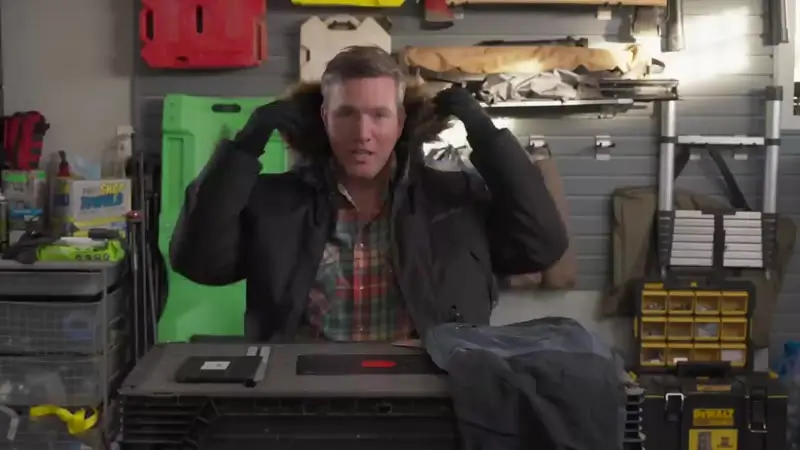
Outer layers or shells protect you from wind and precipitation. They're typically waterproof and act as a windbreak, preventing your body heat from being blown away. For stationary activities around camp, a big insulated jacket with a hood is ideal. These jackets are too warm for active use but perfect for sitting by the fire or making dinner.
Take Care of Your Extremities
Your hands, feet, and head lose heat quickly, and if they get cold, the rest of your body will follow. Pay special attention to these areas.
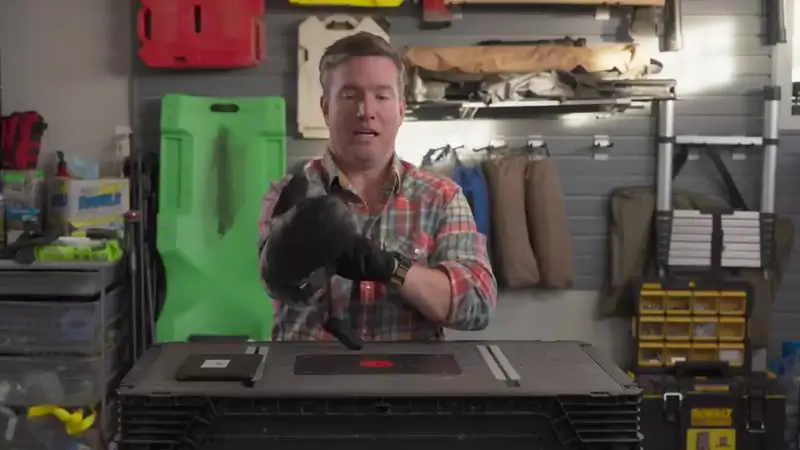
For your hands, consider a two-glove system. Thin liner gloves allow you to still use your fingers for tasks like lighting a fire or making coffee. When your hands get really cold, you can put your liner-gloved hands inside larger, puffy mittens or gloves. This combination gives you both dexterity and warmth.
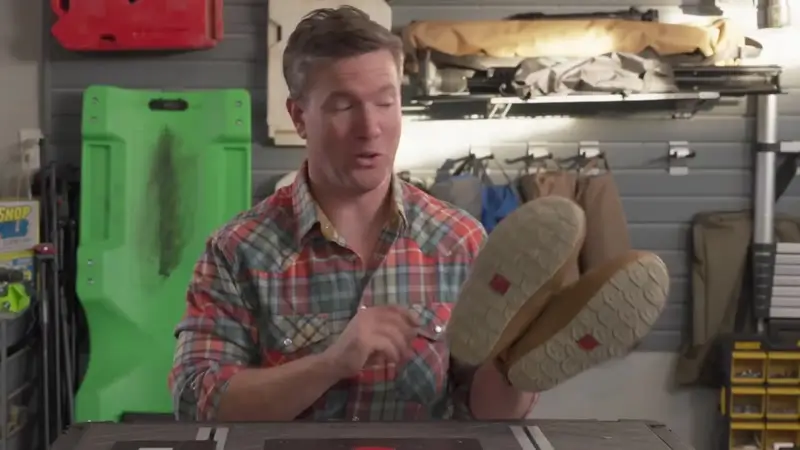
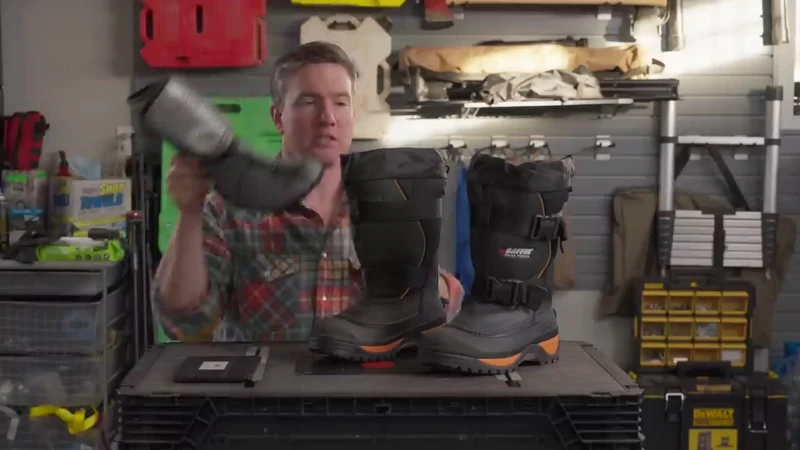
For your feet, good wool socks are essential. Avoid thick, fluffy socks that will make your feet sweat—moisture leads to cold feet. Instead, choose wool hiking socks that wick moisture away. For footwear, insulated waterproof boots are great for moving around camp. For extreme cold, Arctic-rated boots with removable liners offer the highest level of warmth.
For your head, a balaclava is incredibly effective. It covers your entire head and face, leaving only a small opening for your eyes. While it might look like you're about to rob a store, it will seriously prevent heat from escaping your head, and nobody's judging your fashion choices when you're trying to stay warm.
Choose the Right Sleeping Bag
Your sleeping bag is your primary defense against the cold at night. Unfortunately, there are no universal standards for how sleeping bag temperature ratings work. A 0° bag from one manufacturer might not be as warm as a 0° bag from another.
A good rule of thumb is to aim for a sleeping bag rated about 20 degrees colder than the lowest temperature you expect to encounter. If you think it might get down to 20°F, get a 0°F bag. This gives you a safety margin.
If you don't want to buy an expensive, extreme-cold sleeping bag, you can combine bags. Put one sleeping bag inside another to double the insulation. You can also add blankets. However, if you use blankets on top, they tend to fall off if you toss and turn at night. A better approach is to wrap the blanket around yourself and then zip your sleeping bag over it, keeping the insulation in place all night.
Use Additional Heat Sources Wisely
While your body generates heat, you can supplement it with external heat sources. The key is choosing options that are safe and effective.
A portable stove like a Jetboil is incredibly handy for making hot drinks and food. A warm meal or hot coffee warms you from the inside out. These stoves are compact and efficient, making them great for cold-weather camping.
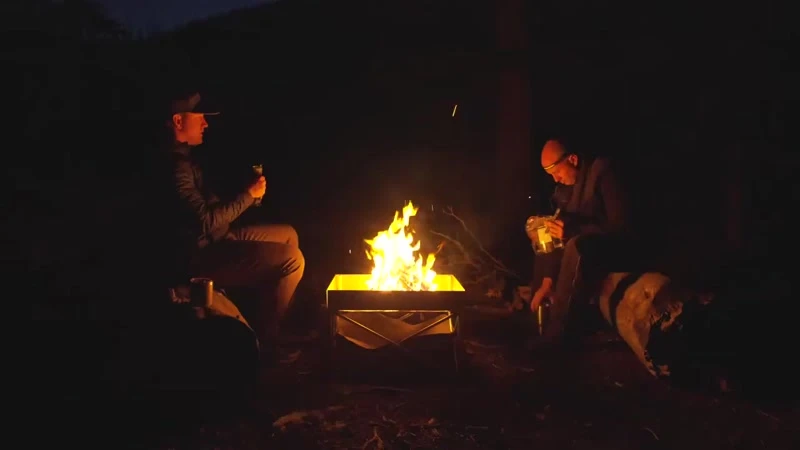
A campfire is another excellent heat source. A pop-up fire pit makes it easy to have a fire anywhere. To maximize warmth from a fire, use a heat shield—either a natural one like a rock or boulder, or a manufactured reflector. Also, don't sit directly facing the fire. Instead, sit sideways to it. This allows the heat to warm more of your body at once.
Electric seat warmers can keep you comfortable while sitting in your camp chair. They plug into a USB power source and are great for dual use at camping and outdoor events.
Consider a Diesel Heater
For serious cold-weather camping, a diesel heater is probably the most effective additional heat source available. These units burn diesel fuel and blow warm air into your tent through a hose. The heater itself stays outside, so the only thing entering your tent is warm, dry air.
Diesel heaters are relatively safe, easy to use, and diesel fuel is widely available even in remote areas. Many suitcase-style models are affordable and portable. They're more efficient than propane heaters because they don't introduce moisture into your tent.
Propane heaters like the popular Buddy Heater can provide good heat, but they have drawbacks. The entire unit sits inside your tent, creating a fire and burn risk, especially if you have children or pets. They also produce more condensation than diesel heaters. If you do use propane, forced-air systems that keep the heater outside are a safer option.
Try Simple, Low-Cost Solutions
You don't need expensive gear to stay warm. Some of the most effective solutions are simple and inexpensive.
Hand warmers are a classic option. Chemical packets that you shake to activate can provide heat for up to 12 hours. You can put them in your gloves, your boots, or against your chest while sleeping. Electric hand warmers are rechargeable and work well too.
Hot water is another incredibly simple solution. Boil water, put it in a thermos, and throw the thermos in your sleeping bag. It will radiate heat all night. You can also use rubber hot water bottles that lay flat against your body. Drinking hot water or warm beverages warms you from the inside out.
Create a Heat Tent or Use a Sleeping Bag Onesie
Two creative solutions can dramatically improve your comfort in cold weather.
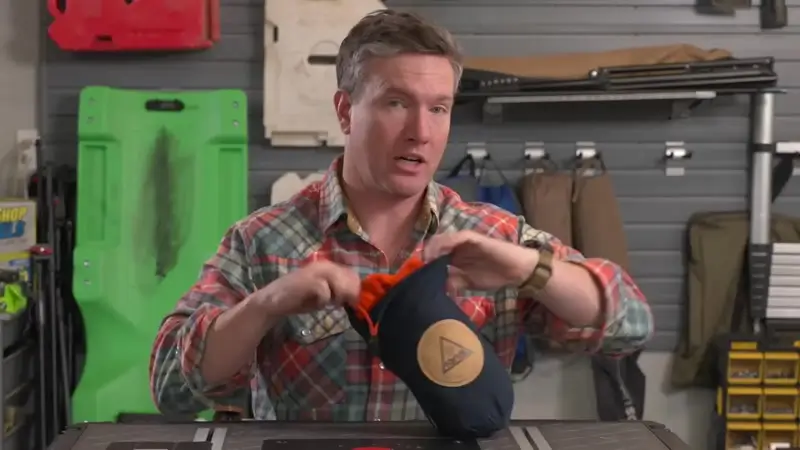
A heat tent involves setting up a larger tent or shelter and placing a small propane fire pit inside. This creates a warm space where you can hang out, dry wet gear, and stay comfortable without being inside your sleeping tent. It's an innovative way to extend your time outdoors in cold weather.
A sleeping bag onesie, sometimes called a Selk'bag, is exactly what it sounds like—a wearable sleeping bag. You can walk around camp in it, sit by the fire, and then crawl into your regular sleeping bag with it on. The double insulation will keep you incredibly warm, even on very cold nights.
Frequently Asked Questions
Q: How can I prevent condensation in my tent on cold nights?
Vent your tent properly, even when it's cold. Open vents or leave a small gap in the door or window to allow moisture from your breath to escape. While it seems like you'd lose heat, you'll actually stay warmer because your sleeping bag won't get damp from condensation.
Q: What's the most important piece of gear for cold-weather camping?
Moisture management is the most critical concept. If you stay dry, you'll stay warm. This means dressing in layers appropriate for your activity level to avoid sweating, venting your tent to prevent condensation, and using a sleeping bag rated for temperatures colder than what you expect.
Q: Do I need a special sleeping bag for winter camping?
Not necessarily. You can use multiple sleeping bags together by putting one inside the other. You can also add blankets wrapped around your body inside your sleeping bag. The key is to aim for a system that's rated about 20 degrees colder than the lowest temperature you expect.
Q: Is it safe to use a propane heater inside my tent?
Propane heaters that sit inside your tent come with fire and burn risks, especially if knocked over. If you use one, ensure proper ventilation and keep it away from flammable materials. Many campers prefer diesel heaters, which keep the heating unit outside and only blow warm air into the tent.
Q: What should I do if I wake up cold in the middle of the night?
First, check if you need to use the bathroom—your body redirects energy to holding waste, making you colder. Drink some water to stay hydrated. If you have hand warmers, activate them and place them against your chest or feet. You can also boil water and put it in a thermos or hot water bottle inside your sleeping bag. *This article analyzes the YouTube video "10 Tips for Staying Warm While Camping" by Venture to Rome. Last accessed: May 26, 2026. All rights to the video content belong to the original creator.*