Also known as: Skunk, Polecat
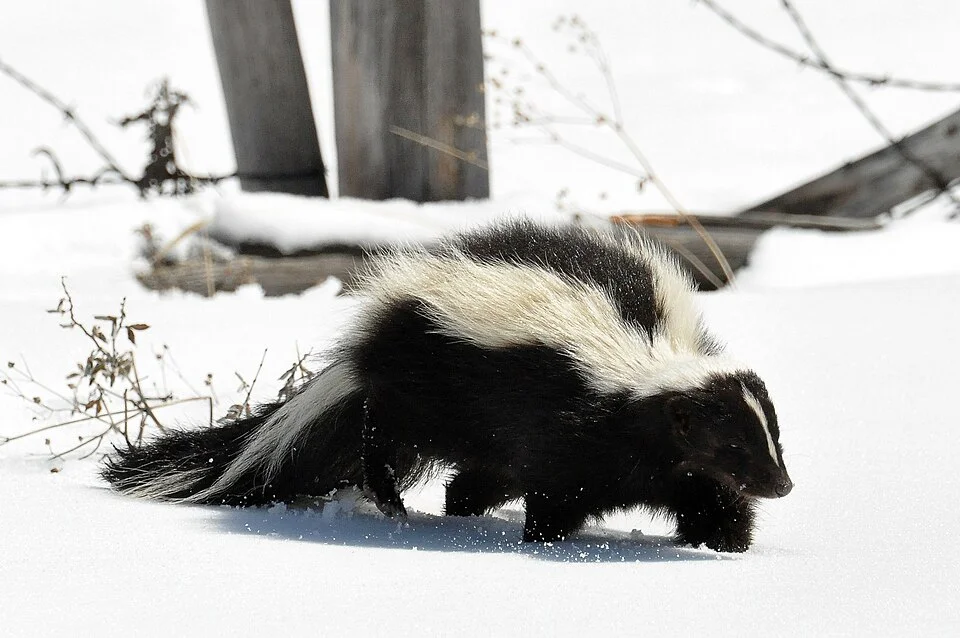
The striped skunk is a skunk of the genus Mephitis that occurs across much of North America, including southern Canada, the United States, and northern Mexico. It is currently listed as least concern by the IUCN on account of its wide range and ability to adapt to human-modified environments.
Habitat & Range
The striped skunk inhabits a wide variety of habitats, particularly mixed woodlands, brushy corners and open fields interspersed with wooded ravines and rocky outcrops. Some populations, particularly in northwestern Illinois, prefer cultivated areas over uncultivated ones.[2]
Life History
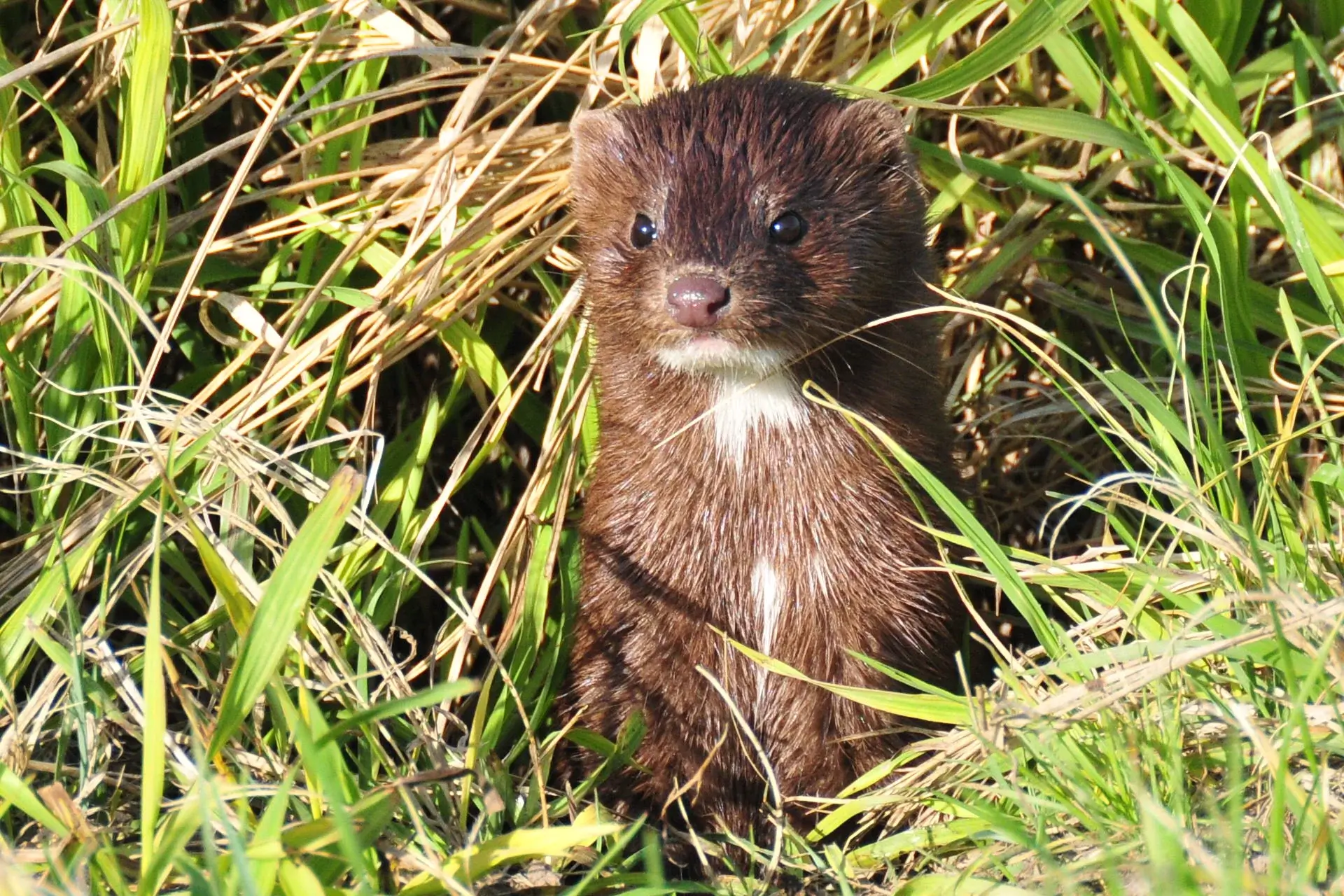
Viverra mephitisSchreber, 1776 Thestriped skunk(Mephitis mephitis) is askunkof thegenusMephitisthat occurs across much of North America, including southernCanada, theUnited States, and northernMexico.[3]It is currently listed asleast concernby theIUCNon account of its wide range and ability to adapt to human-modified environments.[1] Striped skunks arepolygamousomnivores with few natural predators, save forbirds of prey.[2]Like all skunks, they possess highly developed musk-filled scent glands to ward off predators. They have a long history of association with humans, having been trapped and captively bred for their fur[4]and kept aspets.[5]The striped skunk is one of the most recognizable of North America's animals, and is a popular figure in cartoons and children's books.[6] The striped skunk is a stoutly-built, short-limbed animal with a small, conical head and a long, heavily furred tail.[12]Adult males are 10% larger than females, with both sexes measuring between 52–77 centimetres (20–30 in) in total body length and usually weighing 1.8–4.5 kg (4.0–9.9 lb), though some may weigh 5.5 kg (12 lb).[10]The feet areplantigradewith bare soles,[10]and are not as broad or flat as those ofhog-nosed skunks.[12]The forefeet are armed with five long, curved claws adapted for digging, while those on the hind feet are shorter and straighter.[10] Skeleton; Skull The color patterns of the fur vary greatly, but generally consist of a black base with a white stripe extending from the head which divides along the shoulders, continuing along the flanks to the rump and tail. Some specimens have a white patch on the chest, while others bear white stripes on the outer surface of the front limbs.[10]Brown or cream-colored mutations occasionally occur.[11] Like all skunks, the striped skunk possesses two highly developedscent glands, one on each side of the anus, containing about 15 milliliters of musk each,[13]which provides achemical defenseagainst predation.[14]This oily, yellow-colored musk consists of a mixture of powerfully odorousthiols(sulfuranalogues of alcohols, in older sources called "mercaptans"), which can be sprayed at a distance of several meters. The odor of this musk was likened byErnest Thompson Setonto a mixture of perfume musk, essence of garlic, burning sulfur and sewer gas "magnified a thousand times",[11]thoughClinton Hart Merriamclaimed that it is not "one tenth" as offensive as that produced byminksandweasels.[13]If sprayed on the eyes, this compound can cause a temporary burning sensation.[10] While primarily aninsectivore, the striped skunk is adaptable enough to incorporate other animals and even vegetable matter into its diet. The most frequently consumed insects include grasshoppers, beetles, crickets, caterpillars, other insect larvae and bees.[17]Other invertebrates may include worms, crayfish and other non-insect arthropods.[18]In the winter and spring months, the striped skunk will supplement its diet with vertebrates such aswhite-footed mice,voles, eggs and the chicks of ground nesting birds.[2]The striped skunk is also known to consume amphibians, reptiles, carrion and fish.[19]Striped skunks inhabiting California's coastal areas will feed on crabs and beached fish.[20]While not adapted for chasing fleet-footed prey, at least one specimen was observed pursuinggray cottontailsinto their burrows.[11]The skunk will also consume vegetable matter, such as apples,blueberries,black cherries,ground cherries,cornandnightshadewhen in season.[2] Striped skunks are known to use their sharp claws to tear apart rotting logs to find grubs, dig in the soil for insects, and pin down prey. Their practice of digging leaves small-but-noticeable pits in the ground, which can provide evidence of their presence in an area.[15]
Hunting Season
General trapping/hunting season: Nov 1 - Feb 28, 2026.
Frequently Asked Questions
Regulations for hunting Striped Skunk in Iowa
Striped skunk may be hunted and trapped in Iowa as a furbearer. A fur harvester license is required. Skunks may also be taken as nuisance animals when causing property damage.
When is Striped Skunk hunting season in Iowa?
General trapping/hunting season: Nov 1 - Feb 28, 2026.
What is another name for Striped Skunk?
Striped Skunk is also known as Skunk, Polecat in Iowa.
References
| State | Category | Directory | Subcategory | Content | Source |
|---|---|---|---|---|---|
| Iowa | Hunting | Regulations | Season Dates | General trapping/hunting season: Nov 1 - Feb 28, 2026. | Link |
| Iowa | Hunting | Regulations | Regulations | Striped skunk may be hunted and trapped in Iowa as a furbearer. A fur harvester license is required. Skunks may also be | Link |