Also known as: Black-tailed deer (inland variety)
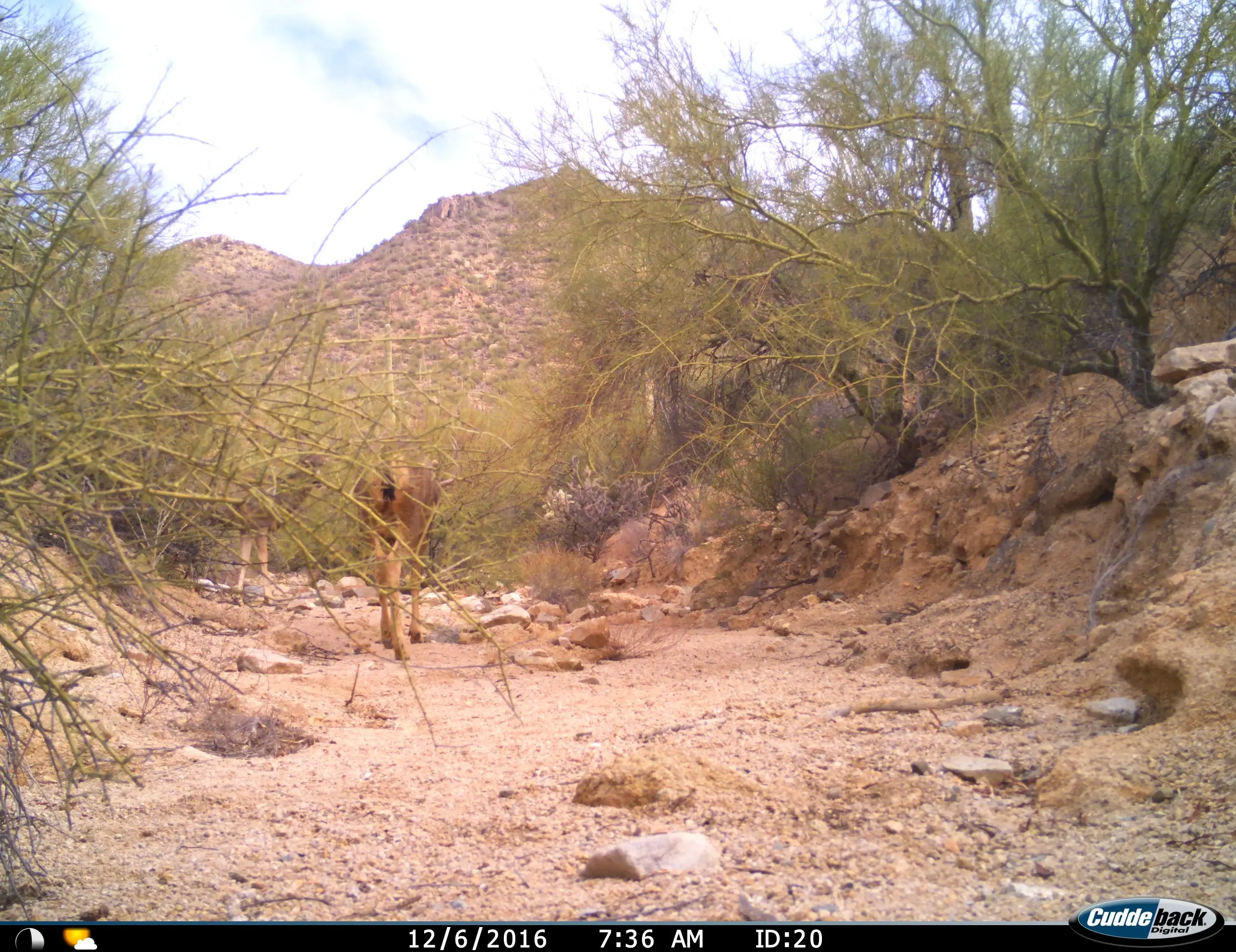
Mule DeerMule deer (Odocoileus hemionus) are found across the state of Nevada. They are a welcome sight to wildlife viewers and hunters alike. The species can be found throughout Nevada from the Mojave Desert to sub-alpine mountain tops to coniferous forests in the Sierra Nevada mountains. Their populations are most often associated with sagebrush steppe, aspen, and mountain shrub communities. Learn more how to conserve mule deer.Learn More
Habitat & Range
Mule Deer move between different habitat types but seem to prefer arid, open areas and rocky hillsides.
Life History
Mule Deer are herbivores, relying on plant material to survive. Their diet varies throughout the year and is very seasonal. Mule Deer are sagebrush obligates and they rely on sagebrush during the winter months when there is not a lot of other forage available. Mule Deer bucks (male deer) grow antlers each year that fall off after the “rut,” or mating season. During this time, males will fight for the right to mate with female deer. They lock antlers and will fight until exhaustion. Mule Deer typically have two fawns during the early summer. Fawns are born spotted and scentless. Does (female deer) will leave their young for hours at a time so that they can forage. The fawns’ spotted fur helps in camouflage and the lack of scent help protect them from predators.Populations of Mule Deer in Nevada have been declining for the last couple of decades. Loss of quality habitat from extreme drought, invasive grasses, wildfires, and overpopulation of wild horses and burros have contributed to this decline. NDOW initiated the Mule Deer Enhancement Program (MDEP) to address these issues and the dropping deer population. MDEP is a collaborative endeavor bringing together non-governmental organizations, land management agencies, private landowners, and industry partners with the goal of putting more Mule Deer on the landscape.Learn more about how NDOW works to conserve mule deerLearn More:Sagebrush Habitat Planning_HandoutMule Deer Hunting QuotasWestern MigrationsMigration Corridors of Mule Deer in the Ruby MountainsMigration Corridors of Mule Deer in the Pequop Mountains
Status, Trends & Threats
Drought; Habitat Degradation; Habitat Loss
Hunting Season
Archery: Aug 1-21; Muzzleloader: Aug 15-21 (select units); General Rifle: Sep 17-Oct 4; Late Rifle: Nov 6-Jan 1 (trophy units). Junior Classic: Oct 5-Nov 2. Specific dates vary by hunt unit group.
Frequently Asked Questions
Regulations for hunting Mule Deer in Nevada
Mule deer hunting in Nevada is managed through a tag draw system with over 300 hunt unit groups. Season dates vary by unit: archery (Aug 1-21), muzzleloader (mid-Aug), and general rifle (mid-Sep to early Oct). Late rifle seasons in trophy units run Nov through Jan. Tags are awarded through a random draw (application mid-Mar to mid-May), with remaining tags sold first-come first-served. Mandatory harvest reporting required. CWD has been confirmed in nearby states—carcass restrictions apply. Trail cameras banned on public land Aug 1-Dec 31.
What do mule deer eat in Nevada?
Mule deer are herbivores with a highly seasonal diet. They are sagebrush obligates that depend on sagebrush in winter when other forage is scarce. In summer they eat forbs, grasses, and shrubs.
Where are the best places to hunt mule deer in Nevada?
Mule deer are found across all 17 Nevada counties. Popular hunting areas include the Ruby Mountains, Schell Creek Range, and the vast sagebrush steppe of northern and central Nevada. Specific unit groups have varying draw odds and trophy potential.
When is Mule Deer hunting season in Nevada?
Archery: Aug 1-21; Muzzleloader: Aug 15-21 (select units); General Rifle: Sep 17-Oct 4; Late Rifle: Nov 6-Jan 1 (trophy units). Junior Classic: Oct 5-Nov 2. Specific dates vary by hunt unit group.
What is the bag limit for Mule Deer in Nevada?
1 antlered mule deer per tag. Some units offer antlerless tags through the draw.
What's another name for Mule Deer?
Mule Deer is also known as Black-tailed deer (inland variety) in Nevada.
References
| State | Category | Directory | Subcategory | Content | Source |
|---|---|---|---|---|---|
| Nevada | Hunting | Regulations | Season Dates | Archery: Aug 1-21; Muzzleloader: Aug 15-21 (select units); General Rifle: Sep 17-Oct 4; Late Rifle: Nov 6-Jan 1 (trophy | Link |
| Nevada | Hunting | Regulations | Regulations | Mule deer hunting in Nevada is managed through a tag draw system with over 300 hunt unit groups. Season dates vary by un | Link |