Also known as: Canada goose, Honker
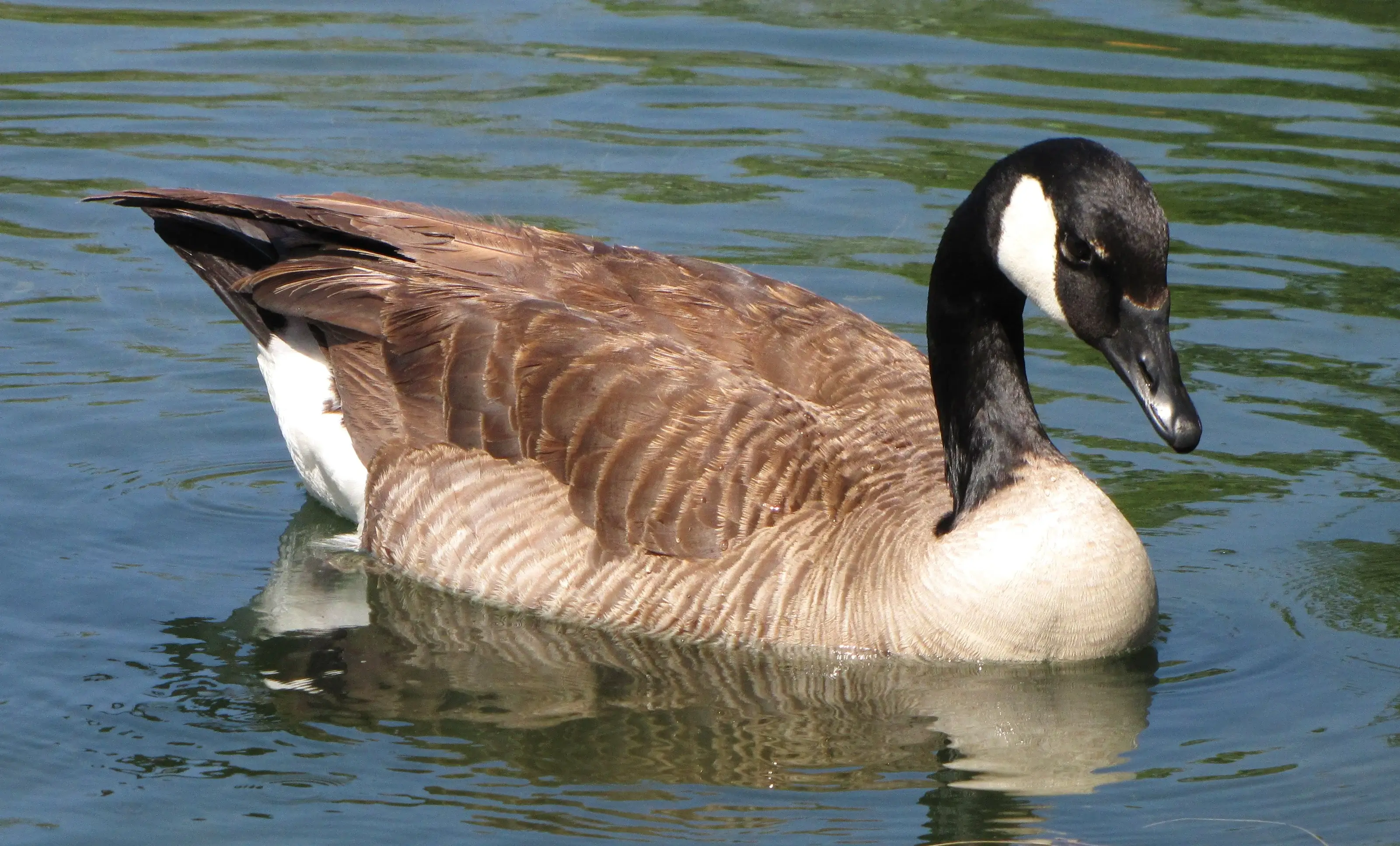
The Canada goose is a large species of goose with a black head and neck, white cheeks, white under its chin, and a brown body. It is native to the Arctic and temperate regions of North America, and it is occasionally found during migration across the Atlantic in northern Europe. It has been introduced to France, the United Kingdom, Ireland, Scandinavia, New Zealand, Japan, Chile, Argentina, and the Falkland Islands. Like most geese, the Canada goose is primarily herbivorous and normally migratory; often found on or close to fresh water, the Canada goose is also common in brackish marshes, estuaries, and lagoons.
Habitat & Range
This species is native to North America. It breeds in Canada and the northern United States in a wide range of habitats. The Great Lakes region maintains a large population of Canada geese. Canada geese live year-round in the southern part of their breeding range, including the northern half of the United States' eastern seaboard and Pacific Coast, and areas in between. Between California and South Carolina in the southern United States and in northern Mexico, Canada geese are mainly present as migrants from further north during the winter. By the early 20th century, overhunting and loss of habitat in the late 19th and early 20th centuries had resulted in a serious decline in the numbers of this bird in its native range. The giant Canada goose subspecies was believed to be extinct in the 1950s until, in 1962, a small flock was discovered wintering in Rochester, Minnesota, by Harold Hanson of the Illinois Natural History Survey. In 1964, the Northern Prairie Wildlife Research Center was built near Jamestown, North Dakota. Its first director, Harvey K. Nelson, talked Forrest Lee into leaving Minnesota to head the center's Canada goose production and restoration program. Forrest soon had 64 pens with 64 breeding pairs of screened, high-quality birds. The project involved private, state, and federal resources and relied on the expertise and cooperation of many individuals. By the end of 1981, more than 6,000 giant Canada geese had been released at 83 sites in 26 counties in North Dakota. In recent years, Canada goose populations in some areas have grown substantially, so much so that many consider them pests for their droppings, bacteria in their droppings, noise, and confrontational behavior. This problem is partially due to the removal of natural predators and an abundance of safe, human-made bodies of water near food sources, such as those found on golf courses, in public parks and beaches, on sports fields, and in planned communities. Due in part to the interbreedin
Life History
Like most geese, the Canada goose is naturally migratory with the wintering range being most of the United States. The calls overhead from large groups of Canada geese flying in a V-shaped formation signal the transitions into spring and autumn. In some areas, migration routes have changed due to changes in habitat and food sources. In mild climates from southwestern British Columbia to California to the Great Lakes, some of the population has become nonmigratory due to adequate winter food supply and a lack of former predators. Males exhibit agonistic behavior both on and off breeding and nesting grounds. This behavior rarely involves interspecific killing. One documented case involved a male defending his nest from a brant that wandered into the area; the following attack lasted for one hour until the death of the brant. The cause of death was suffocation or drowning in mud as a direct result of the Canada goose's pecking the head of the brant into the mud. Researchers attributed it to high hormone levels and the brant's inability to leave the nesting area. Canada geese are primarily herbivores, although they sometimes eat small insects and fish. Their diet includes green vegetation and grains. The Canada goose eats a variety of grasses when on land. It feeds by grasping a blade of grass with the bill, then tearing it with a jerk of the head. The Canada goose also eats beans and grains such as wheat, rice, and corn when they are available. In the water, it feeds from aquatic plants by sliding its bill at the bottom of the body of water. It also feeds on aquatic plant-like algae, such as seaweed. In urban areas, it is also known to pick food out of garbage bins. They are also sometimes hand-fed a variety of grains and other foods by humans in parks. Canada geese prefer lawn grass in urban areas. They usually graze in open areas with wide clearance to avoid potential predators. During the second year of their lives, Canada geese find a mate. They are monogamous, and most couples stay together all of their lives. If one dies, the other may find a new mate. The female lays from two to nine eggs with an average of five, and both parents protect the nest while the eggs incubate, but the female spends more time at the nest than the male. Its nest is usually located in an elevated area near water such as streams, lakes, ponds, and sometimes on a beaver lodge. Its eggs are laid in a shallow depression lined with plant material and down. The incubation period, in which the female incubates while the male remains nearby, lasts for 24–32 days after laying. Canada geese can respond to external climatic factors by adjusting their laying date to spring maximum temperatures, which may benefit their nesting success. As the annual summer molt also takes place during the breeding season, the adults lose their flight feathers for 20–40 days, regaining flight about the same time as their goslings start to fly. As soon as the goslings hatch, they are immediately ca
Status, Trends & Threats
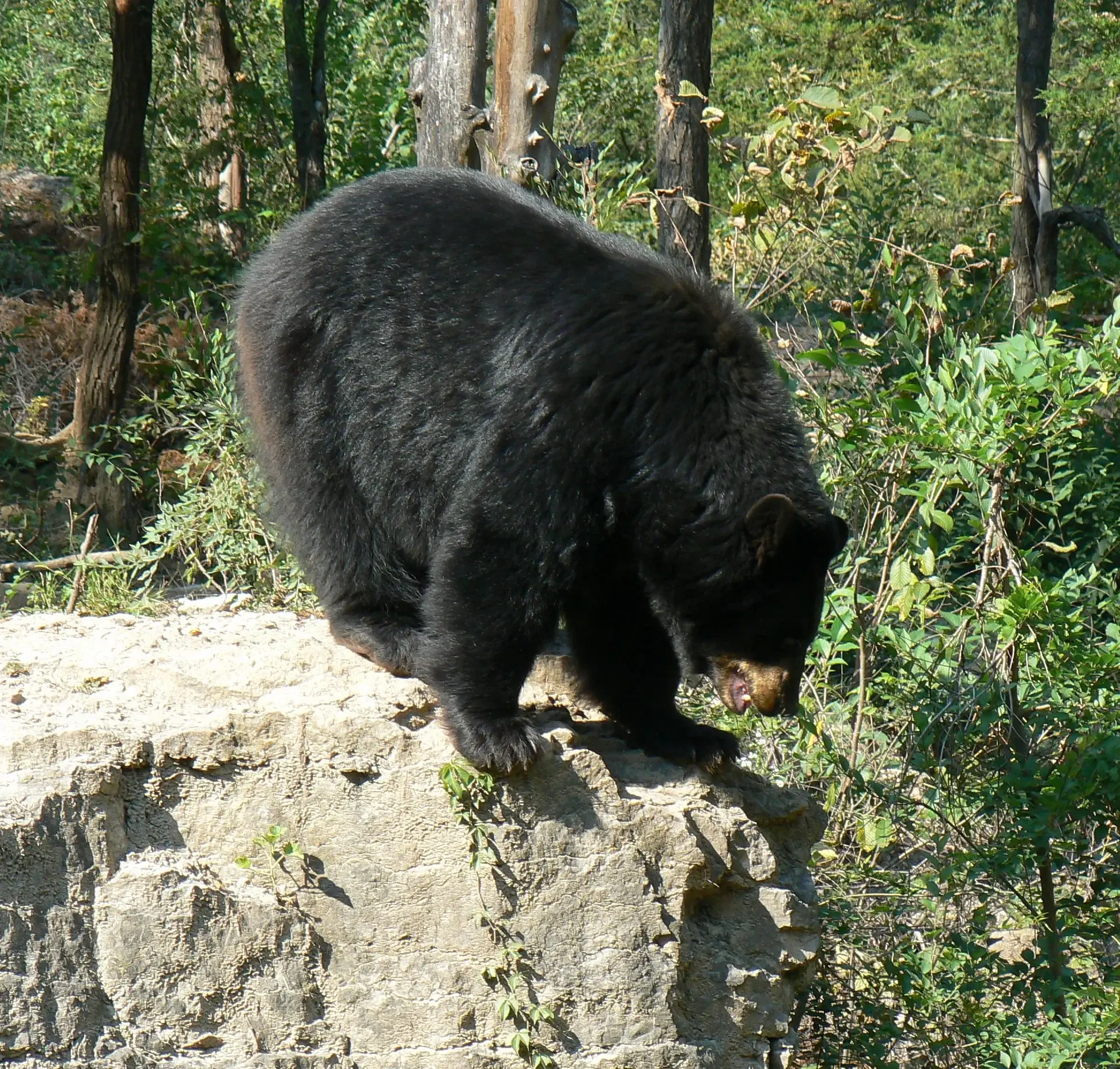
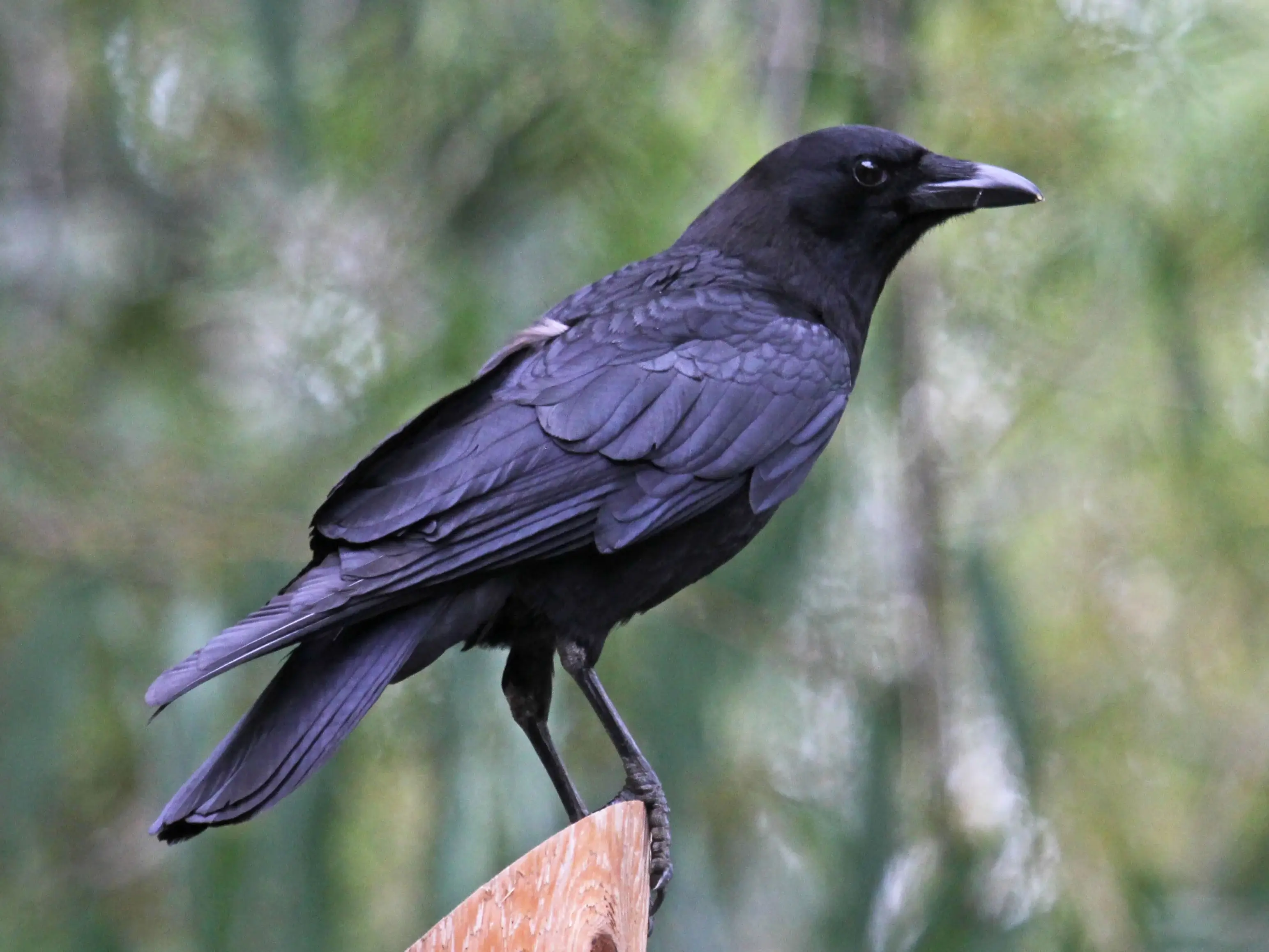
Known predators of eggs and goslings include coyotes (Canis latrans), Arctic foxes (Vulpes lagopus), northern raccoons (Procyon lotor), red foxes (Vulpes vulpes), large gulls (Larus species), common ravens (Corvus corax), American crows (Corvus brachyrhynchos), carrion crows (in Europe, Corvus corone) and both brown (Ursus arctos) and American black bears (Ursus americanus). Geese and their goslings are occasionally preyed upon by domestic dogs—these occurrences can be prevented by leashing a pet dog.Once they reach adulthood, due to their large size and often aggressive behavior, Canada geese are rarely preyed on, although prior injury may make them more vulnerable to natural predators. Beyond humans, adults can be taken by coyotes and grey wolves (Canis lupus). Avian predators that are known to kill adults, as well as young geese, include snowy owls (Bubo scandiacus), golden eagles (Aquila chrysaetos) and bald eagles (Haliaeetus leucocephalus) and, though rarely on large adult geese, great horned owls (Bubo virginianus), northern goshawks (Accipiter gentilis), peregrine falcons (Falco peregrinus), and gyrfalcons (Falco rusticolus). Adult geese are quite vigorous at displacing potential predators from the nest site, with predator prevention usually falling to the larger male of the pair. Males usually attempt to draw attention of approaching predators and toll (mob terrestrial predators without physical contact) often in accompaniment with males of other goose species. Eagles frequently cause geese to fly off en masse from some distance, though in other instances, geese may seem unconcerned at perched bald eagles nearby, seemingly only reacting if the eagle is displaying active hunting behavior. Canada geese are quite wary of humans where they are regularly hunted and killed, but can otherwise become habituated to fearlessness toward humans, especially where they are fed by them. This often leads to the geese becoming overly aggressive toward humans, and large gro
Hunting Season
Check current West Virginia Migratory Bird Hunting Regulations. Typically Sep-Feb with multiple split seasons.
License & Regulations
A valid West Virginia hunting license is required for resident and non-resident hunters age 15 and older. Licenses can be purchased online through the West Virginia Division of Natural Resources website or at authorized license retailers. Additional stamps may be required: RB (Resource Ballot) or RRB (Resource Recovery Ballot) for antlerless deer, TRD (Turkey Stamp) for spring turkey, and the federal Migratory Bird Hunting and Conservation Stamp (Duck Stamp) for waterfowl. Hunters born on or after January 1, 1975 must successfully complete a hunter education course.
Frequently Asked Questions
Regulations for hunting Canada Goose in West Virginia
Canada goose hunting follows federal migratory bird regulations with state-specific season frameworks. HIP registration and federal Duck Stamp are required. Early and late season segments are typically available.
When is Canada Goose hunting season in West Virginia?
The Canada Goose hunting season in West Virginia: Check current West Virginia Migratory Bird Hunting Regulations. Typically Sep-Feb with multiple split seasons.
What is the bag limit for Canada Goose in West Virginia?
The bag limit for Canada Goose in West Virginia is: Follow federal migratory bird regulations. Daily bag limit varies by season segment.
What's another name for Canada Goose?
Canada Goose is also known as Canada goose, Honker in West Virginia.
How to identify Canada Goose?
The Canada goose is a large species of goose with a black head and neck, white cheeks, white under its chin, and a brown body. It is native to the Arctic and temperate regions of North America, and it is occasionally found during migration across the Atlantic in northern Europe. It has been introduced to France, the United Kingdom, Ireland, Scandinavia, New Zealand, Japan, Chile, Argentina, and the Falkland Islands. Like most geese, the Canada goose is primarily herbivorous and normally migrator...
References
| State | Category | Directory | Subcategory | Content | Source |
|---|---|---|---|---|---|
| West Virginia | Hunting | Regulations | Season Dates | Check current West Virginia Migratory Bird Hunting Regulations. Typically Sep-Feb with multiple split seasons. | Link |
| West Virginia | Hunting | License | License & Fees | A valid West Virginia hunting license is required for resident and non-resident hunters age 15 and older. Licenses can b | Link |
| West Virginia | Hunting | Regulations | Regulations | Canada goose hunting follows federal migratory bird regulations with state-specific season frameworks. HIP registration | Link |