The first time I went bass fishing, I showed up with a tackle box full of lures I'd bought because they looked cool, zero knowledge about where to cast, and a whole lot of confidence that would quickly evaporate. After four hours on the water without a single bite, I watched a guy in a rusty jon boat pull in five bass right next to me using a lure I'd walked past at the store because it seemed boring. That's when I realized bass fishing isn't about having the flashiest gear—it's about understanding where the fish are and what they actually want. This guide breaks down everything you need to know to start catching bass, from identifying the three main species to figuring out where they hide during each season.
Know Your Bass Species
There are three main species of bass that anglers target across North America: largemouth bass, smallmouth bass, and spotted bass. While some people say a bass is a bass, each species has distinct habits and habitats.
Largemouth Bass
Largemouth bass are the most widespread species, found in neighborhood ponds, natural lakes, rivers, creeks, and reservoirs across all 50 states and around the globe. They come in northern and Florida subspecies, plus hybrids of the two that produce the biggest fish—the world record largemouth weighed over 22 pounds.
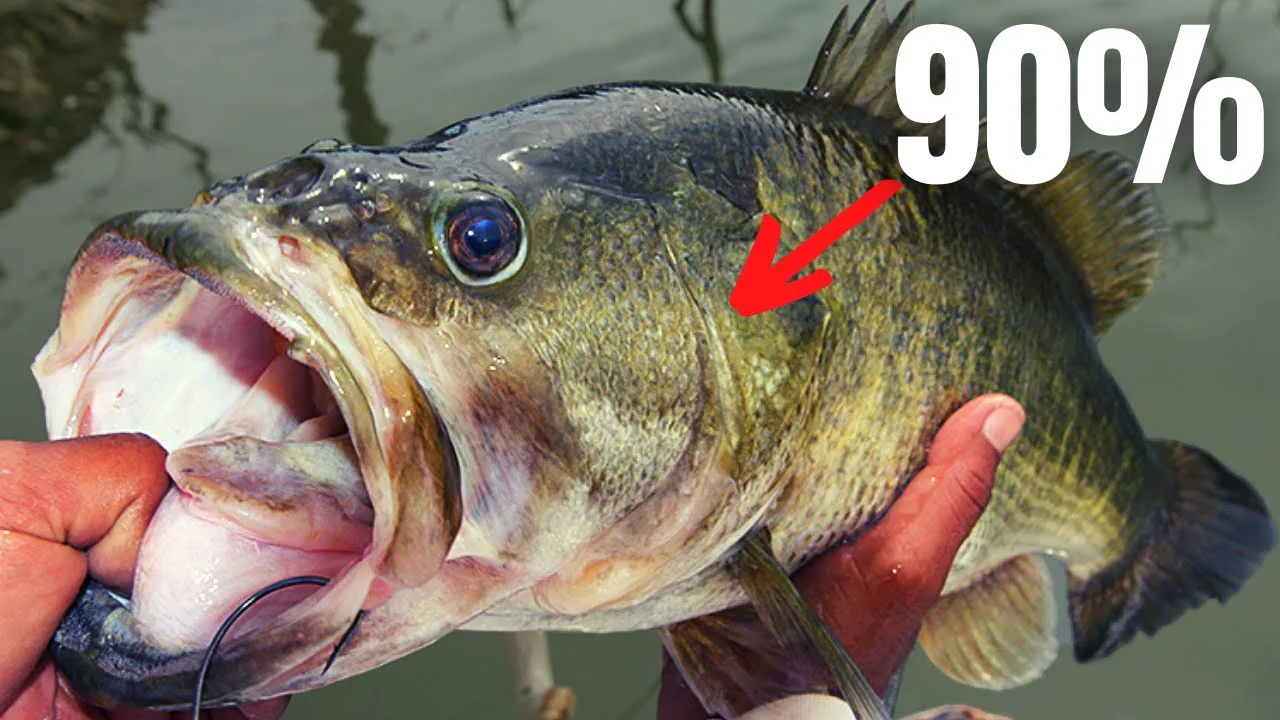
The easiest way to identify a largemouth is by its mouth. When closed, the jaw extends past the eyeball, which is exactly why they're called largemouth. You might also hear them called "buckets" or "largies."
Smallmouth Bass
Smallmouth bass are known for being more curious and aggressive than largemouth. They're considered the hardest fighting bass species, sometimes jumping five feet in the air and never giving up. Despite their attitude, they don't grow as big—the world record smallmouth is just under 12 pounds.
Smallmouth thrive in creeks, northern natural lakes, and clear water reservoirs. You can identify them by their brown color and vertical bars. Unlike largemouth, when their mouth is closed, the jaw does not extend past the eyeball. Anglers call them "smallies" or "footballs" because of their shape.
Spotted Bass
Spotted bass, also called "spots" or "Kentucky bass," have multiple subspecies including Alabama and Kentucky varieties. They can thrive in very clear reservoirs and heavily stained river systems. The biggest spotted bass ever caught was 11 pounds 4 ounces.
Spots look similar to largemouth in color, but they have a dark, blotchy lateral line with dark spots above and below it. Their jaw doesn't extend past the eyeball, and they have a rough patch on their tongue that feels like sandpaper. This is a reliable way to tell them apart from largemouth.
It's worth noting that all three of these species actually belong to the sunfish family. Fish like striped bass and white bass, despite the name, belong to a different family entirely.
Find Bass by Season
Knowing where bass are located is actually more important than what lure you throw. You can throw the wrong lure in the right spot and still catch fish, but the right lure in the wrong spot will leave you skunked every time.
Spring: The Spawn
Bass spawn when water temperatures hit the 60s, typically March through May across most of the country. In southern states like Florida and Texas, spawning can start as early as January, while northern fish might not spawn until June.
Bass need three things to spawn: sunlight, hard bottom, and protected water. They typically make their beds in less than five feet of water, though clearer lakes allow deeper spawning. Hard bottom like rock or sand is essential—they won't lay eggs in silt or mud. However, if there's hard cover on soft bottom, like a tree stump or boulder, they'll use that instead. Protected water means still water, since current can wash away their eggs.
Largemouth prefer extremely protected pockets and coves. In ponds, they spawn on the outside perimeter. Smallmouth spawn in more open water areas on the main lake or just inside major creek arms and bays, especially on shallow flats with boulders. Spotted bass are a mix of both.
Knowing where bass spawn helps you find them the rest of the year. Many times, the best populations of bass stay near the best spawning grounds throughout the seasons.
Summer: Structure and Cover
After spawning, most bass move to main lake areas where they spend the summer. This is where understanding the difference between structure and cover becomes important.
Structure refers to the natural features of the lake bottom—underwater humps, ledges, drops, creek channels, points, and flats. Cover is anything that provides shelter, like brush piles, aquatic vegetation, docks, and stumps.
On lakes with lots of contour lines, like highland reservoirs, focus on main lake structure like points, humps, and ledges. On lakes without many contour lines, like natural lakes or lowland reservoirs, focus on main lake cover such as grass lines, brush piles, and stumps.
The key question is where exactly the fish will be among hundreds of options. The answer comes down to one thing: food. If baitfish are present in an area, bass will be there too. You might fish ten different points, but only the one with bait balls around it will hold fish.
Fall: Follow the Bait
Fall can be tricky because bass are feeding heavily to prepare for winter, and baitfish are everywhere after recent spawns. Bass can be found in super shallow water, very deep water, and everywhere in between. Since they're spread out, you typically need to cover a lot of water and will catch one fish here and one there.
Winter: Deep Water
Heading into winter, bass relate to the deepest water in your body of water. Structure and cover elements near deep water will hold the fish. Keep in mind that "deep" is relative—it could be eight feet in a pond or 80 feet in a reservoir.
Two Major Outliers
Two factors can completely change where bass are located: aquatic vegetation and current. In any body of water where vegetation like hydrilla, coontail, or milfoil is prevalent, bass will relate heavily to it, even if there's plenty of other structure available. Current is another major factor, especially in summer. Current means cooler water, more oxygen, and more baitfish. Bass will hold near current in eddies and soft current areas, even if they're not directly in the flow.
Choose the Right Lure
Lure selection comes down to two main categories: horizontal lures and vertical lures.
Horizontal lures are worked horizontally through the water column. These include chatterbaits, spinnerbaits, jerkbaits, and crankbaits. Vertical lures are cast out and allowed to sink to the bottom, where they're worked across it. These include Texas rigs, jigs, and shaky heads. Some lures can be fished both ways, like a swim jig.
Match the Bait Profile
The first rule of lure selection is matching what the bass are eating. If bluegill is the main food source in your lake, a chatterbait or jig that matches a bluegill profile makes sense. If crawfish are on the menu, a Ned rig or crankbait reeled across the bottom can mimic them well.
Consider Water Conditions
A simple way to decide between horizontal and vertical lures is to think in terms of sound. Fish horizontal lures in "loud" conditions and vertical lures in "silent" conditions.
Silent conditions mean sunny skies, zero wind, and clear water. Loud conditions come from cloud cover, wind, and stained or muddy water. You only need one of these factors to create loud conditions. For example, if it's sunny with clear water but very windy, that's still loud conditions where fast-moving horizontal lures will work well.
Pick the Right Color
A safe starting point is choosing a color that matches the baitfish. If bass are eating crawfish, green pumpkin is a solid choice. If they're feeding on shad, go with white or baitfish colors.
The general rule for color selection works like a sliding scale. The farther a bass can see in the water, the more natural of a color you want. The less they can see, the brighter or darker you can go. Water color and light penetration determine visibility. In clear water, natural colors work best. But if you're fishing clear water during low light conditions, darker and brighter colors can still work since the bass can't see as far.
Frequently Asked Questions
Q: Do I need a special license to fish for bass?
Most states require a general fishing license to fish for any species, including bass. Some states have additional regulations for certain waters or specific seasons. Check your state's wildlife agency website for current requirements.
Q: What's the best time of day to catch bass?
Bass are most active during low light conditions, typically early morning and late evening. However, they can be caught throughout the day, especially during spawning season or in cloudy, windy conditions.
Q: Do I need a boat to catch bass?
Not at all. Many bass are caught from the bank, especially in ponds and along shorelines of larger lakes. Focus on areas with cover like vegetation, docks, or fallen trees, and you can have plenty of success without a boat.
Q: How do I know what baitfish are in my lake?
Spend time observing the water. You might see shad balls near the surface or hear bluegills feeding on bugs in vegetation, which makes a snapping sound. Talking to local anglers or visiting a nearby bait shop can also give you valuable information about what the bass are eating.
Q: Can you catch bass year-round?
Yes, but their activity levels and locations change with the seasons. You can catch bass in winter, but they'll be in deeper water and less active. Spring and fall typically offer the best fishing, while summer requires fishing early or late in the day.