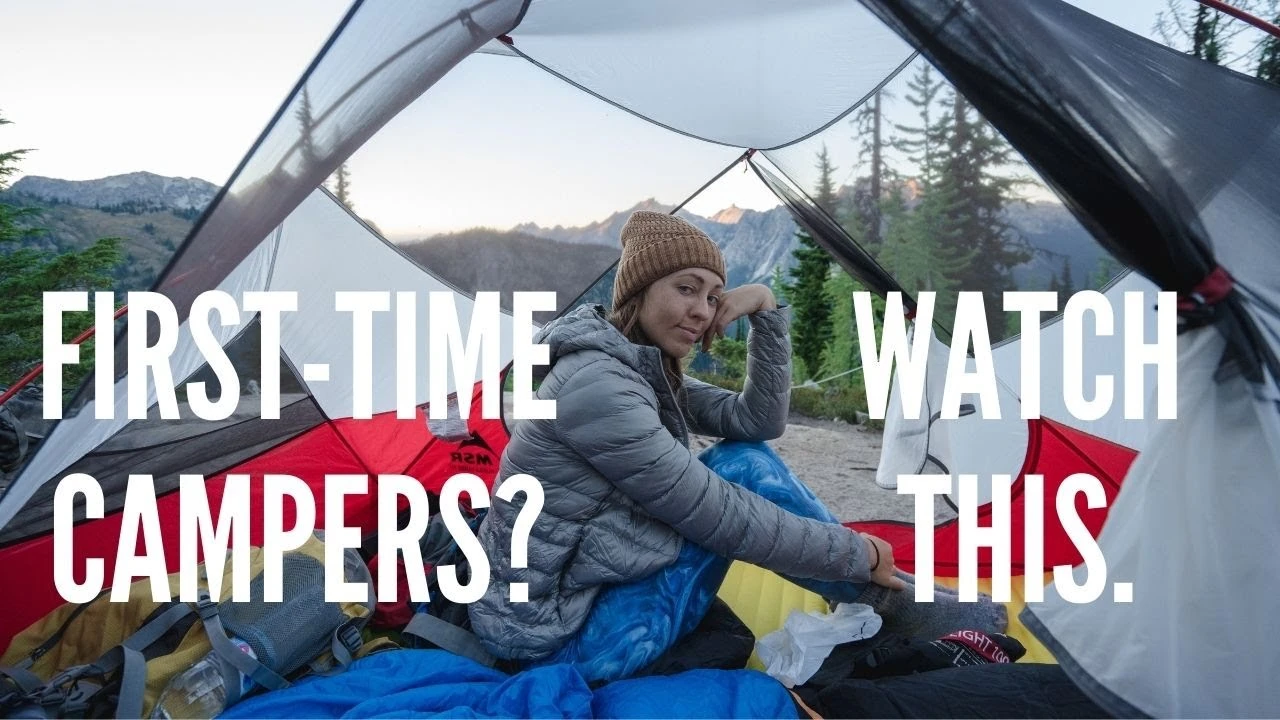
If you're staying at an established campground, this is usually taken care of for you — designated tent pads make it obvious where to set up. But when you're camping in a more remote area, choosing your tent site matters a lot.
Look for higher ground first. Water flows downhill, and even a light rain can turn a small depression into a puddle. You don't want to wake up floating. Also think about wind exposure. Are you in an open field where gusts will hit you directly? Or is there a natural windbreak like a rock formation or tree line that could offer some protection?
Safety is another big consideration. Avoid camping directly under trees with large, dead branches — those are called widowmakers for a reason. Stay away from the base of rocky cliffs where loose rocks could fall. And if you're near a mountain, check that you're not in a potential rockfall zone. A little bit of site scouting goes a long way toward a safe, comfortable night.
Not Prepping for the Weather
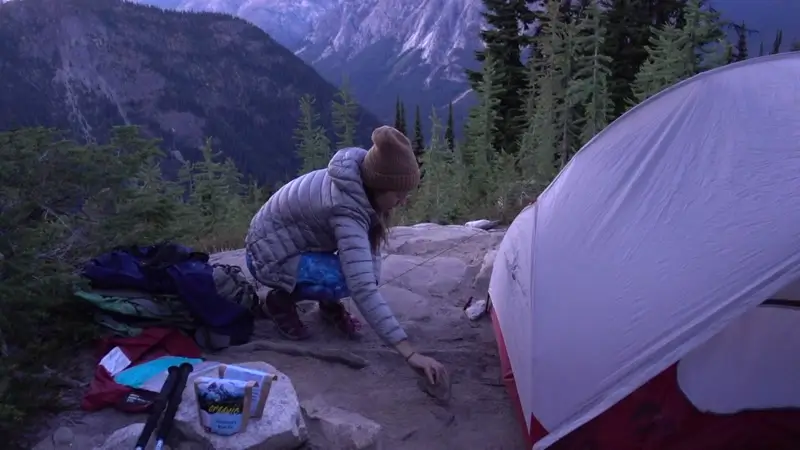
Weather in the mountains is unpredictable. You can check the forecast before you leave, but conditions can change fast. I've camped in Patagonia where the wind was strong enough to knock over a fully set-up tent. If you're camping anywhere with elevation or exposure, you need to plan for surprises.
One simple trick is to secure your tent against wind. If your tent has guylines, use them. Wrap the strings around heavy rocks or tie them to nearby trees. You can even place rocks inside the tent corners for extra weight. It's not elegant, but it works when the wind picks up.
Cold weather is another common struggle for beginners. Nothing ruins a camping trip like a sleepless night spent shivering. The key is having a sleeping bag rated for the temperatures you'll actually face. Check the comfort rating, not just the extreme survival rating. If it's going to be 40 degrees at night, don't bring a bag rated for 50 degrees. You'll be miserable. Sleeping bags get more expensive as they get warmer and lighter, but for your first trips, focus on warmth over weight savings.
Leaving Traces Behind
Leave No Trace principles are the foundation of responsible camping. If you're in an established campground, this usually means using designated fire rings and trash cans. But if you're camping in a more natural area, you need to be extra careful.
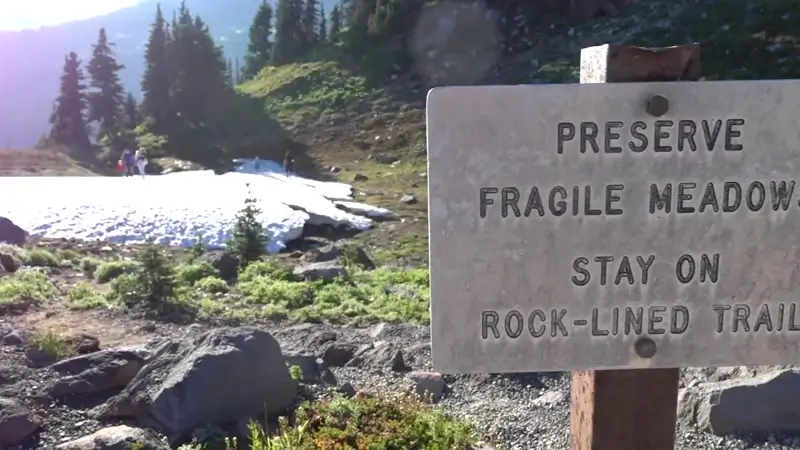
First, set up your tent on durable surfaces. Avoid placing it on vegetation, flowers, or fragile soil. Some alpine plants take hundreds of years to grow and can be killed by one night of someone sleeping on them. Look for spots where others have camped before, or choose bare ground, gravel, or snow.
Second, pack out everything you bring in. That includes food scraps, apple cores, and crumbs. Animals that learn to associate campsites with food become habituated, and habituated animals often have to be euthanized. Even biodegradable items like fruit peels can take months to decompose and attract wildlife. If you're in true backcountry, you may even need to pack out your human waste. Research the specific rules for your camping area ahead of time, and always leave your site cleaner than you found it.
Underestimating Your Water Needs
Water is heavier than almost anything else you'll carry, but running out is a real danger. Beginners often underestimate how much they'll need, not just for drinking but for cooking, washing, and that morning coffee.
For a full day of hiking, plan on at least one and a half liters of water per person, and that's just for drinking. Add more for cooking and other uses. If you're camping near a river or lake, bring a water purifier so you can refill safely. If there's no natural water source, you'll need to carry everything you need for the entire trip.
It's better to carry a little extra weight than to be rationing water and stressing out. Being dehydrated while camping is not only uncomfortable — it can become dangerous quickly. Know the water situation at your campsite before you go, and plan accordingly.
Overpacking or Underpacking
There's a sweet spot when it comes to gear. Beginners tend to either bring way too much stuff or not enough of the right things.
What do you actually need? A tent, a sleeping bag, and a sleeping pad. That's the bare minimum. Don't skimp on the sleeping pad — an uncomfortable night on hard ground will ruin your trip. I used to try to make a pillow out of my bundled-up jacket, but trust me, an inflatable camping pillow is worth the investment. You don't need the most expensive gear, but you do need gear that works for the conditions you'll face.
Underpacking usually means not bringing gear suitable for the weather. Show up without enough tent stakes or the wrong parts for your tent, and you'll have a bad time. Make a list before you pack, and check it twice.
Not Checking Your Gear Before You Go
This one is huge. You need to know how to use your gear before you're standing in the dark trying to figure it out. Modern tents are pretty intuitive, but if it's your first time, practice setting it up at home. Make sure you have all the parts — poles, stakes, rainfly. Check for tears or holes that could let water in.
If you're borrowing gear, ask the owner to show you how it works. Test your air mattress a few days before your trip. I've had to wake up in the middle of the night to re-pump a leaky mattress, and it's not fun. Leave yourself time to replace anything that's broken.
Other gear to check: your camp stove and fuel, your water purifier, and your bear canister if you're camping in bear country. Knowing your gear works and how to use it will save you from a lot of frustration.
Frequently Asked Questions
Q: Do I need a special sleeping bag for camping?
Yes, you want a sleeping bag rated for the temperatures you'll encounter. Check the comfort rating on the bag, not just the survival rating. A bag rated for 30 degrees will keep you comfortable at 30 degrees, but you'll be cold if the temperature drops to 20. For beginners, focus on warmth over weight.
Q: How much water should I bring camping?
Plan for at least one and a half liters per person per day for drinking, plus extra for cooking and coffee. If you're near a water source, bring a purifier so you can refill. If there's no water source, you'll need to carry everything for the entire trip.
Q: What does Leave No Trace mean for camping?
It means leaving your campsite exactly as you found it — or cleaner. Pack out all trash, food scraps, and waste. Set up your tent on durable surfaces like bare ground or gravel, not on vegetation. Don't leave anything behind that could attract animals or damage the environment.
Q: How do I keep my tent from blowing away in the wind?
Use the guylines that came with your tent. Wrap the strings around heavy rocks or tie them to trees. You can also place rocks inside the tent corners for extra weight. If you're expecting wind, choose a campsite with a natural windbreak.
Q: Should I practice setting up my tent before my trip?
Absolutely. Set it up at home first to make sure you have all the parts and know how it works. Check for tears or holes. If you're borrowing gear, ask the owner to show you how it works. It's much easier to figure out in your backyard than in the dark at a campsite. *This article analyzes the YouTube video "Beginner Camping Mistakes" by Kristen. Last accessed: May 26, 2026. All rights to the video content belong to the original creator.*