So you’ve decided you want to get into bow hunting. Maybe you’ve watched a few hunting shows, tagged along with a friend, or just feel the pull to spend more time in the woods. But now you’re standing at the starting line with one big question: where do you even begin?
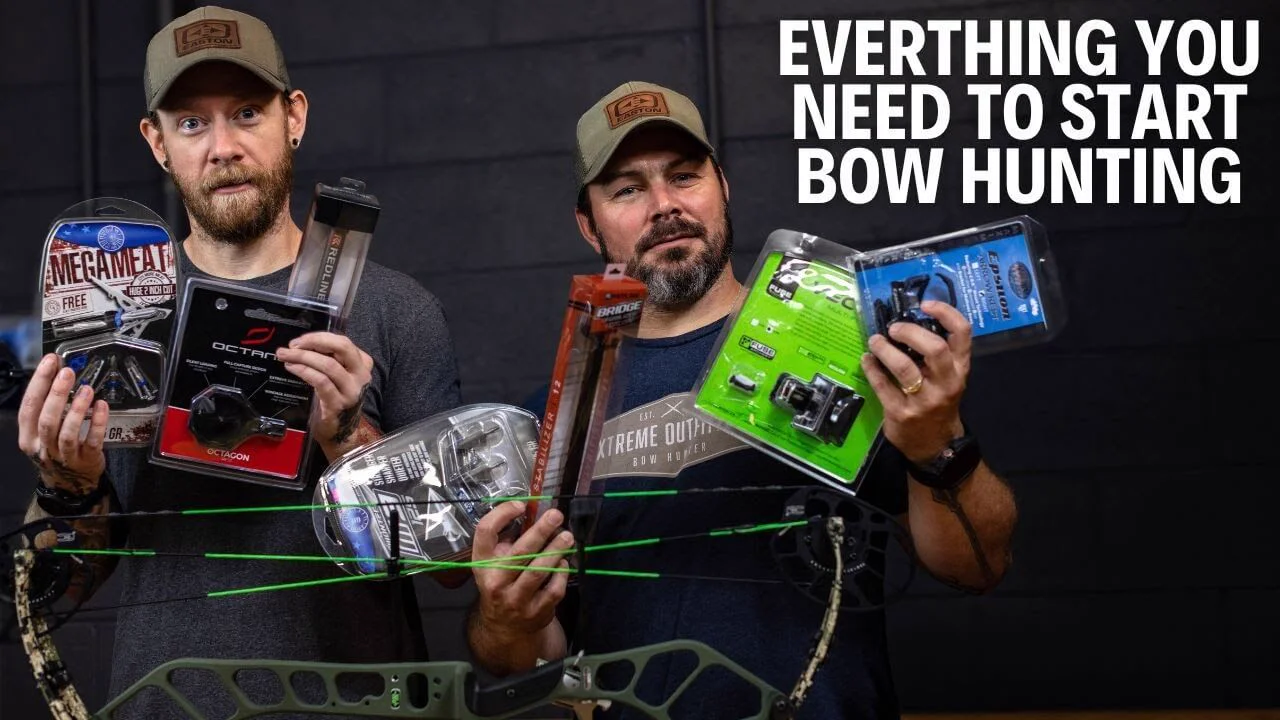
The world of bow hunting can feel overwhelming at first. Between bow types, accessories, arrows, and releases, there’s a lot of new terminology to wrap your head around. The good news is that getting started doesn’t have to be complicated. Whether you’re working with a tight budget or ready to invest in top-tier gear, there’s a path that works for you. This guide breaks down everything you need to know about the gear, the options, and the process so you can walk into a bow shop with confidence and start your journey on the right foot.
Understand the Key Bow Terminology
Before you even pick up a bow, it helps to know a few basic terms you’ll hear at the shop. These concepts affect how a bow feels, shoots, and performs for your specific body type and hunting style.
Axle-to-Axle (ATA) Length
Axle-to-axle is the distance between the two axles on the bow’s cams. A shorter ATA bow (around 30 inches or less) is more maneuverable in tight spaces like ground blinds or thick brush. A longer ATA bow tends to be more forgiving and stable, which is why target archers often prefer them. Your height and build play a role here — shorter shooters often find shorter ATA bows more comfortable, while taller archers may prefer a longer setup.
Brace Height
Brace height is the distance from the string at rest to the deepest part of the grip. A longer brace height gives you more forgiveness — meaning small errors in your form are less likely to throw your shot off. A shorter brace height typically means a faster bow but less room for mistakes. Beginners often benefit from a longer brace height while they’re still building consistency.
IBO Speed Ratings
You’ll see speed numbers advertised for bows, often labeled as IBO or ATA ratings. These numbers come from a standardized test using a 350-grain arrow at 70 pounds of draw weight with a 30-inch draw length. The catch is that most people don’t match those exact specs. If your draw length is shorter or your arrow is heavier, your actual speed will be lower. Don’t get too hung up on the number — speed isn’t everything, especially when you’re starting out.
Choose a Bow Based on Your Budget and Goals
Bows generally fall into three price categories. Each offers different levels of adjustability, performance, and craftsmanship. The right choice depends on how much you want to spend and how serious you plan to get.
Entry-Level Bows ($300–$500)
These bows are designed with beginners in mind. They offer a wide range of adjustability for both draw length and draw weight, which means they can fit almost anyone. The materials and construction are more basic, but they’re perfectly capable of getting you started and into the woods. If you’re not sure how committed you are yet, this is a smart place to begin.
Mid-Grade Bows ($600–$1,000)
Moving up a tier, you’ll find better performance and faster speeds. The draw length adjustability narrows compared to entry-level bows, but you gain improved craftsmanship and tunability. These bows strike a good balance for someone who knows they want to stick with the sport but isn’t ready for a flagship price tag.
Flagship Bows ($1,100 and Up)
Top-of-the-line bows are built with premium materials, tighter tolerances, and the best performance available. They offer excellent tunability and consistency. If you’re already experienced or know you’ll be shooting and hunting heavily, investing in a flagship bow can pay off. Just keep in mind that these prices often cover the bare bow only — you’ll need to add accessories separately.
Pick the Right Accessories for Your Setup
Once you’ve chosen a bow, you’ll need to outfit it with accessories. Each component affects how your bow shoots and how comfortable you are with it.
Arrow Rest
The arrow rest holds your arrow in place while you draw and shoot. The whisker biscuit is a popular entry-level option — it uses bristles to cradle the arrow. It’s affordable and simple, but the bristles wear out over time and can affect accuracy. A drop-away rest, on the other hand, holds the arrow and then drops out of the way as you release, giving the arrow a clean flight with no contact. Drop-away rests are more accurate but come at a higher price.
Sights
Sights help you aim at different distances. A fixed-pin sight has multiple pins set for specific yardages like 20, 30, 40, and 50 yards. You’ll need to “gap shoot” between pins for distances that fall in between. A movable or adjustable sight lets you dial in any yardage by moving a single pin up or down. This gives you more precision but requires you to be consistent with your setup. Your choice depends on the type of hunting you plan to do and how much you want to tweak your gear in the field.
Stabilizers
Stabilizers add weight to your bow to help balance it and reduce hand torque at the shot. They come in all lengths, from short 3-inch models to long target stabilizers over 30 inches. Some bows also accept side or back bars for additional customization. There’s no right or wrong here — it’s about what feels stable and comfortable in your hands.
Quiver
A quiver holds your arrows on the bow. Fixed quivers stay attached, while removable ones can be taken off when you’re not hunting. They come in different capacities, usually holding three to seven arrows. If you go with a brand-specific quiver designed for your bow, it will fit tightly and cleanly. Aftermarket options offer more flexibility and a lower price.
Peep Sight
The peep sight is a small device tied into your bowstring that you look through when you aim. Getting the right size matters — the peep should match the diameter of your sight housing so you see a clear, centered sight picture. If the peep is too small, you’ll have movement in your view. If it’s too large, you might see too much of the housing. Some peeps are hooded to reduce glare, while others let in more light for low-light hunting situations.
Select a Release That Fits Your Style
The release is what you use to draw and fire the bow. It attaches to your bowstring’s D-loop and gives you a clean, consistent release.
Wrist Strap (Index) Release
This is the most common starting point. It straps around your wrist like a watch, with a trigger mechanism that you press with your finger. It’s attached to you, so you won’t drop it, and it’s very controllable. For beginners, this is the recommended option because it’s simple and forgiving.
Thumb Button Release
A thumb button release sits in your hand and uses your thumb to fire. It has the same internal trigger mechanism as a wrist release but in a handheld format. Some archers find it gives them a more consistent anchor point.
Hinge Release
A hinge release has no trigger. Instead, it fires when you rotate your hand using back tension. It’s a more advanced tool that rewards perfect form but can misfire if you twist too much during the draw. Most experts recommend starting with a wrist release and moving to a hinge only after you’ve built solid fundamentals.
Get the Right Arrows and Broadheads
Your arrows need to match your bow’s setup. Getting this wrong can affect accuracy and even damage your equipment.
Arrow Spine
Spine refers to how much an arrow flexes when it’s shot. A higher spine number (like 400) means the arrow is more flexible. A lower number (like 250) means it’s stiffer. Heavier draw weights require stiffer arrows. Using the wrong spine can cause poor flight and inconsistent groups. A bow shop can help you find the right spine based on your draw weight, draw length, and arrow length.
Arrow Components
You can customize arrows with different weights, vanes, nocks, and wraps. Forward of center (FOC) refers to how much weight is in the front half of the arrow. Higher FOC can improve penetration but changes how the arrow flies. Lighted nocks help you track your arrow after the shot. The options are nearly endless, but for starting out, keep it simple and focus on consistency.
Broadheads
Broadheads are the tips you use for hunting. Fixed-blade broadheads have no moving parts — they’re always deployed and always sharp. They’re reliable but require a well-tuned bow to fly accurately. Mechanical broadheads expand on impact, creating a larger cutting diameter. They tend to fly more like field points, making them easier to tune for beginners. Each has its pros and cons, and your choice will depend on your bow setup and personal preference.
Get Your Bow Professionally Tuned
Tuning is one of the most important steps in the entire process. A bow that’s out of tune won’t shoot consistently, no matter how good your form is. When you add broadheads to the equation, tuning becomes even more critical — fixed-blade broadheads in particular will exaggerate any tuning issues.
A proper tune involves checking the bow’s timing, aligning the arrow rest, and shooting through paper to see if the arrow is leaving the bow straight. Most reputable bow shops can handle this for you. It’s money well spent and will save you hours of frustration down the road.
Practice, Practice, Practice
Buying the gear is only half the battle. The other half is getting behind the bow and building muscle memory. Small changes in your anchor point, grip, or release can throw your shot off. The only way to develop consistency is to shoot regularly.
If you run into problems, don’t hesitate to ask for help. An experienced shooter or shop employee can watch your form and spot issues you might not notice yourself. Even small adjustments can make a big difference.