The first time I went camping as an adult, I showed up with a suitcase, a cheap sleeping bag I'd never unrolled, and absolutely no idea what I was doing. I spent the first hour trying to figure out which way the tent poles went, and the second hour convincing myself that every rustle in the bushes was definitely a bear. I ate cold beans out of a can because I forgot a stove, and I slept terribly because I hadn't brought anything to put between me and the cold ground. But here's the thing: I woke up the next morning to the sound of birds and a creek I hadn't even noticed the night before, and I was already planning my next trip.
Camping doesn't have to be complicated, expensive, or stressful. Whether you've never camped before or you're getting back into it after years away, the key is keeping things simple. Here's everything you need to know, from planning your trip at home to having a great time at the campsite.
Start With a Simple Plan
Before you buy any gear or pick a destination, take a few minutes to think through the basics. The easiest way to organize your planning is to ask yourself five questions, just in a specific order.
Why Are You Going?
This might sound like a strange place to start, but knowing your reason for camping will help you make better decisions later. Maybe you want to disconnect from screens and reconnect with nature. Maybe you're hoping to spend quality time with family or friends. Perhaps you just want to try something new.
Having a clear "why" matters because camping isn't always comfortable. There will be bugs, weather, and moments of frustration. When those happen, remembering your positive reason for being there helps you push through instead of giving up.
Who's Coming With You?
The number of people in your group affects almost everything else. Are you going solo, as a couple, or with kids? Do you want to bring your dog? Not every campground allows pets, so knowing this early saves you from showing up somewhere that won't work for your group.
If you're bringing children, you'll want to think about their comfort and entertainment. If you're bringing a dog, you'll need to check campground pet policies and plan for their needs too.
When Should You Go?
For your first camping trip, aim for fair weather. You don't need perfect conditions, but you also don't want to test your limits with extreme temperatures. A good rule of thumb is to avoid nights colder than 50 degrees Fahrenheit for your first time out.
The time of year also depends on where you live. In the southern United States, spring and fall are ideal because summers can be brutally hot. In northern areas, late spring through early fall offers the most comfortable conditions.
Be strategic about when you arrive. Popular holiday weekends like Memorial Day, Fourth of July, and Labor Day draw big crowds at most campgrounds. If you're nervous about finding a good spot or dealing with lots of neighbors, consider going on a different weekend. Sundays are actually a great day to arrive because most campers are heading home, which opens up prime spots and gives you more space.
Where Should You Camp?
For beginners, developed campgrounds are the way to go. These sites have amenities like picnic tables, fire rings, and bathrooms. They make the experience much more pleasant than trying to find your own spot in the backcountry.
Start your search with simple tools. Google Maps can show you campgrounds in any area, along with reviews and photos from other campers. Websites like Recreation.gov and ReserveAmerica.com handle reservations for many public land campgrounds. Private campgrounds like KOA are another option, especially if you want more amenities.
Before you settle on a spot, check a few things:
- Is the campground open during the dates you want to go?
- Can it accommodate your group size? Larger groups, usually over eight people, may need designated group sites.
- What's the cost per night, and how do you pay? Some campgrounds only take cash, so carry a variety of bills.
- Is there cell phone coverage? For your first trip, having communication can be reassuring. If there's no coverage, make sure someone knows where you're going and when to expect you back.
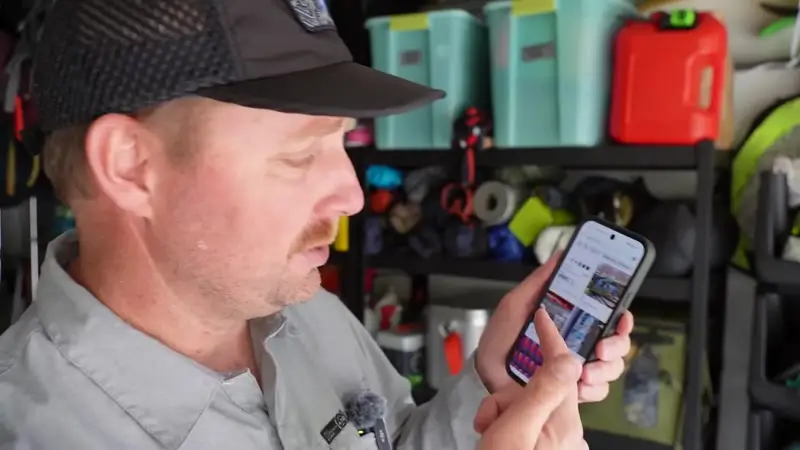
One of the most useful planning tools is mapping software that shows public lands, campgrounds, and points of interest. These tools let you see things like hiking trails, hot springs, and weather forecasts all in one place. You can even download maps for offline use, which is helpful when you're heading somewhere without cell service.
Gather Your Gear Without Going Broke
This is where most beginners get overwhelmed. There's an entire industry built around camping gear, and it's easy to think you need everything. You don't.
Start With What You Have
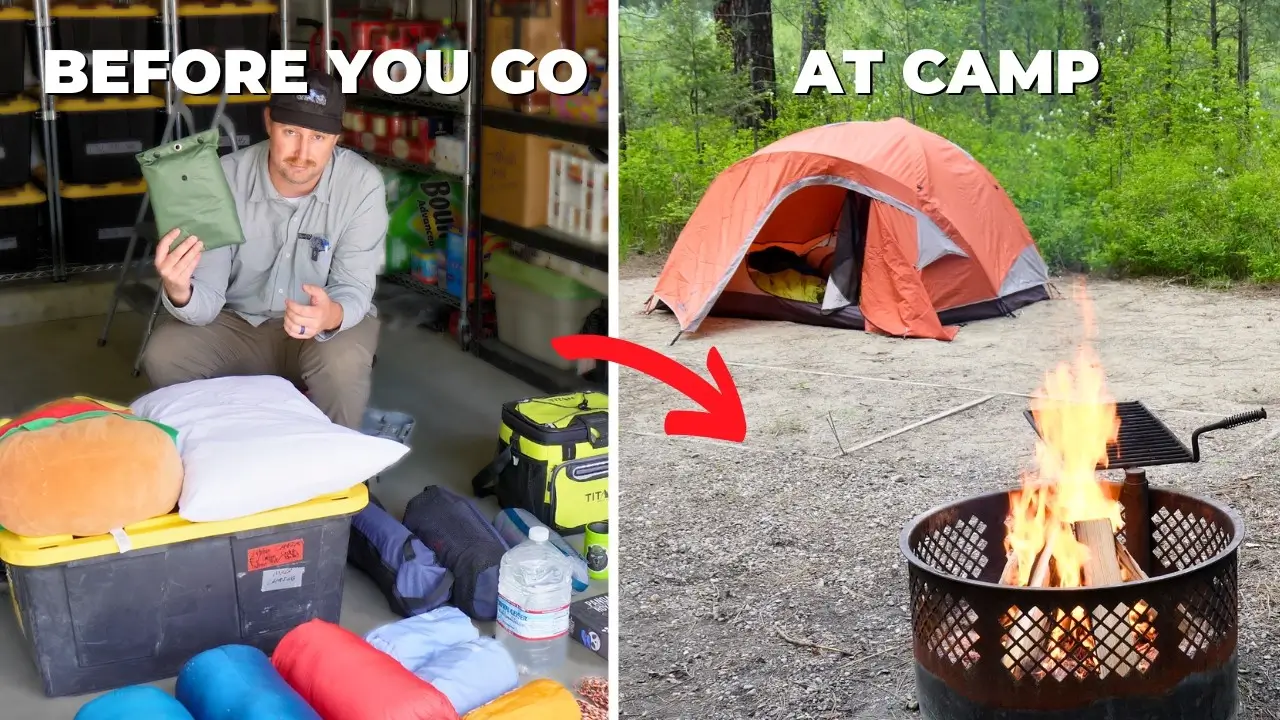
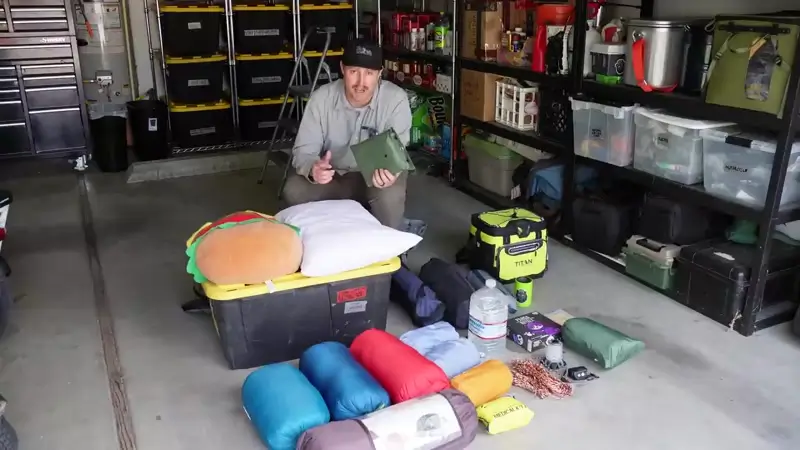
Before you buy anything, look around your house. You probably already own things that work perfectly for camping. Raid your garage, your kitchen, and your closets. Ask friends or family if you can borrow gear for your first trip. Check Facebook Marketplace or Craigslist for used equipment at a fraction of the retail price.
Think in Systems
The easiest way to organize your gear is to think in categories, prioritized by safety and comfort:
First aid comes first. A basic kit with bandages, antiseptic, and pain relievers is essential.
Shelter includes your tent and your sleeping system. For two adults, a three-person tent gives you comfortable space. If you're camping with small kids, you might fit more people in a smaller tent, but don't overcrowd yourself.
For sleeping, you have options. Sleeping bags work great if you have them, but you can also use bedding from your house. The most important thing is having insulation between you and the ground. The earth will suck heat out of your body faster than the cold air will. Sleeping pads are ideal, but a simple mattress topper from your home works surprisingly well. Don't forget a pillow, even if it's just one from your bed.
Water doesn't require anything fancy. A few gallon jugs will keep everyone hydrated.
Food and cooking can be as simple or as complex as you want. A small one-burner stove with fuel canisters is inexpensive and handles basic cooking. You can also skip cooking entirely and bring cold meals like sandwiches, chips, and snacks. No cooking required, no dishes to wash.
Pack a little extra food beyond what you expect to need. One extra meal per person is a good buffer in case you get delayed or stuck.
Comfort items include camp chairs, games, and anything that makes your time at camp more enjoyable. But remember, these are luxuries, not necessities.
Clothing and Extras
Check the weather forecast and dress accordingly. You don't need specialized outdoor clothing. Just bring what makes sense for the conditions. A few specific items make a big difference:
- A clean, dry set of clothes to sleep in
- A beanie or hat to keep your head warm at night
- Fresh socks to put on before bed
- Camp shoes like Crocs or flip-flops
- A rain jacket or poncho, just in case
Test Your Gear Before You Go
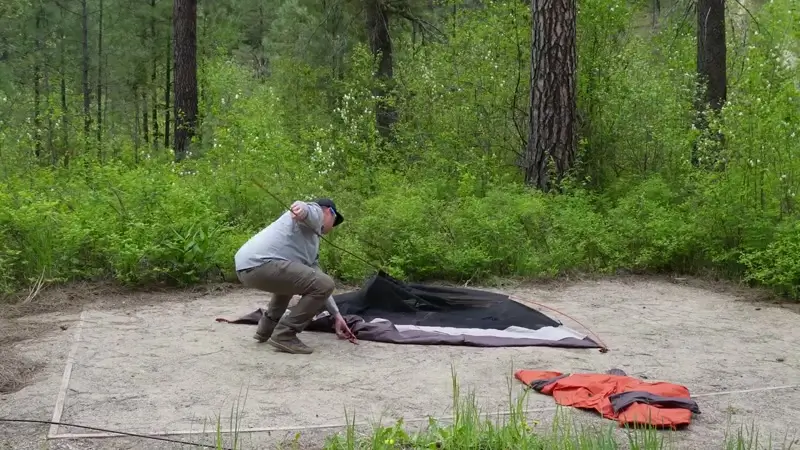
This is one of the most important steps. Set up your tent in your backyard or even inside your house before you leave. Make sure you know how the poles go together, how the rain fly attaches, and how to stake it down. It's much easier to watch a tutorial video at home than it is to figure things out in the dark at your campsite.
Set Up Camp Like a Pro
You've arrived at your campground. Now what?
Choose Your Spot Carefully
If the campground isn't full, take a few minutes to walk around and look at the available sites. Pick one that's level, has good drainage, and isn't directly under any dead branches hanging in trees. Campers call those "widow makers" for good reason.
Pay the Fee
Many Forest Service campgrounds use a self-service pay system. You'll find an information board near the entrance with envelopes. Fill one out, put your cash or check inside, and drop it in the box. Some campgrounds have hosts who will collect fees in person. Either way, pay what you owe. It's the right thing to do, and it keeps these public lands open for everyone.
Set Up Your Tent
Start with your tent, especially if you arrived with a few hours of daylight left. Clear the tent pad of any pine cones, rocks, or sticks that could damage your tent floor or poke into your back while you sleep. Stake down your tent even if the weather seems calm. Wind can pick up suddenly, and stakes keep your tent secure and the rain fly taut so water sheds off properly.
Build a Campfire
A campfire is one of the great pleasures of camping, but it takes some know-how. Start with small materials and work your way up:
- Tinder: Dry pine needles, leaves, or commercial fire starters
- Kindling: Small twigs and sticks
- Fuel: Larger pieces of wood
Build your fire in a teepee shape, leaving enough space for air to circulate. Light the tinder in the center and gradually add bigger pieces as the fire grows. Never use lighter fluid or gasoline. They're dangerous and unnecessary if you build your fire correctly.
Always keep a bucket of water and a shovel near your fire pit. And never leave your fire unattended, even for a few minutes.
Set Up Your Kitchen
Keep your cooking setup simple. A single-burner stove, a pan, and basic utensils are enough for most meals. If you're using a campfire for cooking, wait until the flames die down and you have hot coals. That's the ideal cooking temperature.
Enjoy Your Time at Camp
Once camp is set up, the real fun begins. But there are a few things to keep in mind to make sure everyone has a good time.
Follow the Camper's Code
Camping etiquette isn't complicated, but it matters. Be a good neighbor. Keep noise levels reasonable, especially at night. Leave space between your site and your neighbor's if possible. Be friendly without being overbearing.
Learn the seven principles of Leave No Trace. They'll help you be a better steward of the land and ensure these places remain beautiful for future campers.
Store Your Food Safely
This is non-negotiable. Never leave food, trash, or anything with a scent out overnight. In bear country, this is a safety issue. Even in areas without bears, raccoons and other animals will get into your food if you leave it accessible. Store everything in your vehicle with the windows up and doors locked. If you're storing food during the day, hang it in a tree where animals can't reach it.
Don't Feed the Animals
It might seem fun to feed a squirrel or a chipmunk, but it's harmful to the animals and to other campers. Animals that learn to associate humans with food become bold and aggressive. They can damage gear, injure people, and may ultimately have to be euthanized. Enjoy watching wildlife from a distance, but keep your food to yourself.
Prepare for Common Problems
A few issues can make or break your camping experience:
- Sleep: Bad sleep is one of the biggest camping complaints. Bring earplugs if you're sensitive to noise. Use white noise on your phone if it helps. Make sure you're warm but not too hot.
- Bugs: Mosquitoes and other insects are part of the outdoor experience. Bring bug spray and consider a head net if they're bad.
- Weather: Check the forecast and prepare for conditions colder or wetter than predicted. An extra blanket and a rain jacket go a long way.
- Injury: Have a plan for emergencies. Know where the nearest hospital is and how to get there.
Pack Up and Head Home
When it's time to leave, resist the urge to rush. A proper takedown makes your next trip much easier.
Put Out Your Fire Completely
This is critical. Drown your fire with water, stir the ashes, and drown it again. Repeat until there's no smoke and the ashes are cool to the touch. If you're not willing to put the back of your hand against the ashes, you haven't put it out well enough.
Do a Sweep for Trash
Walk around your site and pick up anything you brought in. Leave the campsite as clean as or cleaner than you found it.
Pack Wet Gear Properly
If your tent is wet from rain or condensation, don't pack it tightly. Roll it loosely and plan to dry it out as soon as you get home. A tent left wet in its stuff sack will develop mildew and smell terrible by your next trip.
Dry Everything at Home
As soon as you get home, hang your tent, sleeping bags, and any other damp gear to dry completely. Empty and clean your cooler and food containers. Do this before you take a shower or relax, because your motivation will disappear fast once you sit down.
And don't forget to check for ticks. They're common in many camping areas and are best dealt with promptly.
Frequently Asked Questions
Q: Do I need expensive gear to start camping?
No, you don't. Start with what you already have at home. Borrow gear from friends or family if possible. Look for used equipment online. A tent, sleeping bag or bedding, a way to cook or bring cold food, and basic clothing are all you really need. You can upgrade later if you decide camping is something you want to do regularly.
Q: How do I find a good campground for my first trip?
Stick with developed campgrounds that have amenities like bathrooms, picnic tables, and fire rings. Use Google Maps to search for campgrounds in areas you're interested in. Websites like Recreation.gov and ReserveAmerica.com handle reservations for many public campgrounds. Read reviews from other campers to get a sense of what each site is like. For your first trip, choose a campground with cell phone coverage so you have communication if needed.
Q: What should I do if I'm scared of sleeping in the woods?
This is completely normal. Bring earplugs if noises keep you awake. Use white noise from your phone to mask unfamiliar sounds. Make sure you're comfortable and warm. Arrive with plenty of daylight so you can get set up and oriented before dark. And remember that thousands of people camp safely every night. The noises you hear are almost always harmless animals going about their business.
Q: How do I handle bathroom needs while camping?
At developed campgrounds, you'll usually find pit toilets or vault toilets. They're basic but functional. Always close the door and the toilet lid when you're done. This keeps flies out and helps the ventilation system work properly. Bring your own toilet paper and hand sanitizer, because these amenities aren't always well-stocked.
Q: What's the most important thing for a successful first camping trip?
Keep it simple. Don't overplan, don't overpack, and don't put too much pressure on yourself. Start with one or two nights. Choose fair weather. Bring food you know you'll enjoy. And remember that the goal isn't perfection. It's getting outside, disconnecting from daily life, and spending time in nature. Even if things go wrong, you'll learn something that makes your next trip better. This article analyzes the YouTube video "How to Plan Your First Camping Trip" by Outdoor Empire. Last accessed: May 26, 2026. All rights to the video content belong to the original creator.