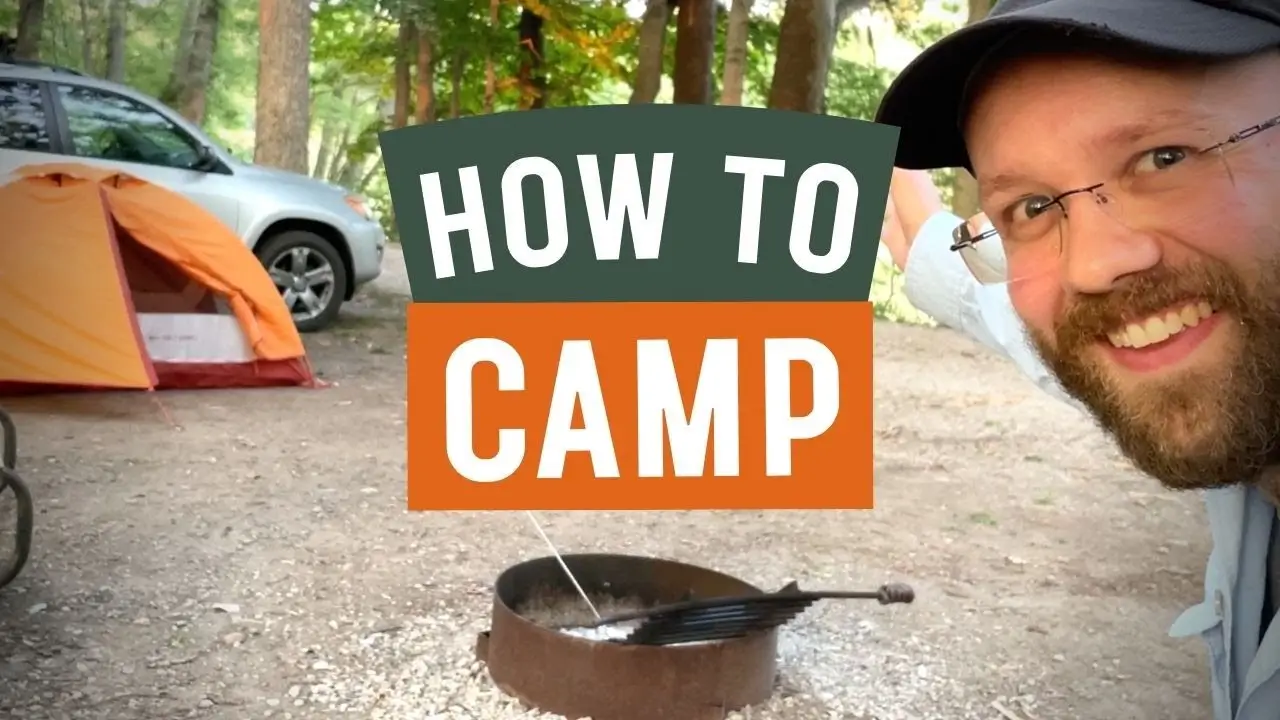
So you want to go camping. Maybe it's your first time, or maybe it's been so long that you're not sure where to start. That's completely normal, and the good news is that getting out for an overnight trip doesn't have to be complicated. Whether you're heading to a nearby campground or trying something a little farther from home, there are a few basic things to figure out before you go, when you arrive, and while you're there.
A simple camping trip has four main parts: planning ahead, setting up your campsite, building a campfire, and cooking some classic camp meals. By the end, you'll have a clear picture of what to expect and how to make your first trip a smooth one.
Plan Your Trip Before You Leave
Good trips start with good planning. There are several things you'll want to check and prepare before you ever load the car.
Check Reservation Requirements
Not all campgrounds work the same way. Some only accept reservations made online or by phone, while others are first-come, first-served and only accept walk-ins. Before you go, look up the specific campground you're planning to visit and find out how they handle bookings. Showing up without a reservation to a campground that requires one can leave you without a place to stay for the night.
Know What Facilities Are Available
Campgrounds vary widely in what they offer. Some have flush toilets and showers, while others have basic pit toilets and nothing else. More importantly, check whether the campground has drinking water available. If it doesn't, you'll need to bring your own water for drinking, cooking, and washing. A campsite without water might mean bringing several gallons depending on how long you're staying and how many people are with you.
Check the Weather
This might seem obvious, but it's worth saying: check the forecast before you go. If this is your first camping trip or your first time in a while, aim for a weekend with good weather. Rain, wind, and cold temperatures can turn a fun experience into a miserable one, and they can also be dangerous if you're not prepared. Pick a weekend with mild, dry weather to make things easier on yourself.
Understand Firewood Regulations
Firewood rules are often overlooked, but they're important. Many areas have restrictions on moving firewood between counties or states because pests like beetles and other bugs can hitch a ride in the wood. If you bring infested firewood to a new area, it can damage local forests. There are laws about this now, and fines can be significant. Check the regulations for the area where you're camping and buy firewood locally if possible.
Look for Special Rules
Some campgrounds have additional regulations you need to know about. If you're camping in bear country, you might need to store food and anything with a scent in a bear box or bear canister. In dry areas prone to wildfires, there may be fire bans or restrictions on having campfires. Always check for these special rules before you go.
Pack the Right Gear
Packing is the last planning step, and it's a big one. You'll need to know what to bring for sleeping, cooking, clothing, and safety. Make a list based on your specific trip, the weather, and the facilities available at your campground.
Set Up Your Campsite
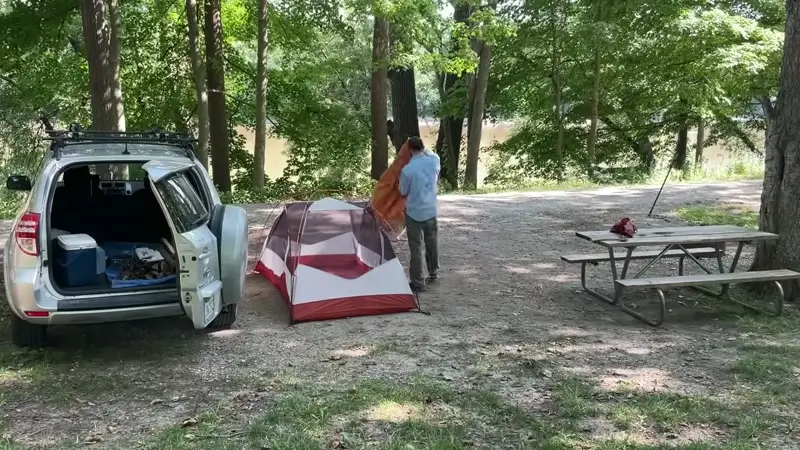
Once you arrive, it's time to get your camp set up. Start with the most important piece: your tent.
Find a Good Tent Spot
Look for a level, clear area to pitch your tent. Avoid spots under dead branches or near anything that could fall. A flat surface will make sleeping more comfortable and help your tent set up properly. If the ground is uneven, you'll feel it all night.
Use a Tarp or Footprint
Putting a tarp or footprint underneath your tent helps protect the tent floor from rocks, sticks, and moisture. It also provides a barrier against condensation that can rise from the ground overnight. Just make sure the tarp is fully under the tent and not sticking out, or rain can collect on it and pool under your tent.
Set Up the Tent Frame First
Before driving in stakes, assemble the tent poles and get the tent standing. This makes it easier to adjust the position if needed. Once the tent is up and in the right spot, stake down the corners and sides to secure it.
Add the Rain Fly
If your tent has a separate rain fly, put it on after the tent is staked down. The rain fly protects against rain and morning dew. Some tents also have guy lines you can stake out for extra stability in wind, though they aren't always necessary in calm conditions.
Set Up the Inside
Lay out your sleeping pad, sleeping bag, and pillow. If it's warm, you might want to bring a sheet as well. Getting your sleep system set up early means you won't have to fumble around in the dark later.
Arrange the Rest of Your Camp
Once the tent is done, organize the rest of your campsite. Set up your camp chair, organize your cooking area, and stack your firewood. Having a clean, organized camp makes everything easier throughout your stay.
Build a Campfire
A campfire is a big part of the camping experience for many people. Building one that lights easily and burns well takes a few simple steps.
Clean Out the Fire Ring
Before you start, check the fire ring or fire pit. Previous campers may have left trash, half-burned logs, or other debris. Clear out anything that shouldn't be there so you have a clean space to work.
Choose a Fire Structure
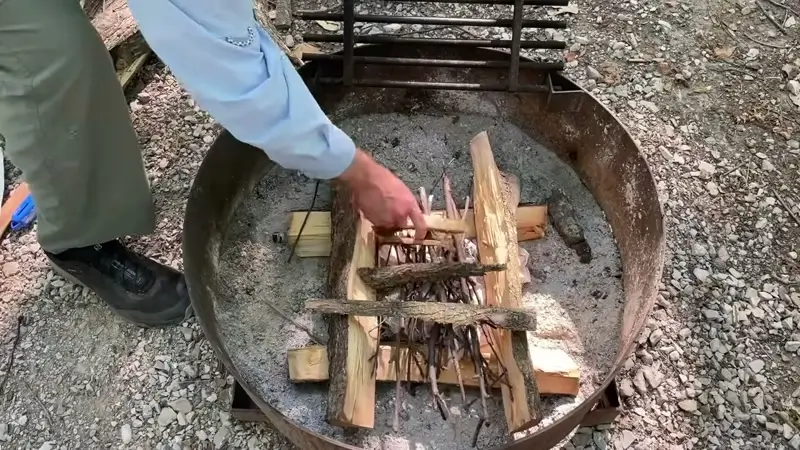
There are several ways to arrange your firewood. A basic log cabin structure works well for beginners. Build a square by stacking small logs or split wood in alternating layers, like a tiny log cabin. This structure allows plenty of airflow, which helps the fire catch and burn.
Add Tinder
Place tinder in the center of your fire structure. Tinder is material that catches fire easily, like dry leaves, pine needles, or newspaper. Newspaper is a great option because most people have it on hand.
Add Kindling
On top of the tinder, add kindling. Kindling consists of small twigs, thin branches, or small strips of wood. These catch fire from the tinder and create enough heat to ignite the larger fuel wood.
Add Fuel Wood
Place your larger pieces of firewood on top of the kindling. These are your main fuel logs that will keep the fire burning once it gets going.
Light the Fire
Light the tinder at the bottom. If you've built your fire properly with good airflow and the right materials, it should catch without much trouble. Let the fire burn and check back after a while. Once the flames die down and you have a bed of hot coals, you're ready to cook.
Cook Classic Camp Meals
Cooking over a campfire is one of the best parts of camping. Keep it simple with classic foods that are easy to prepare and satisfying to eat.
Roast Hot Dogs
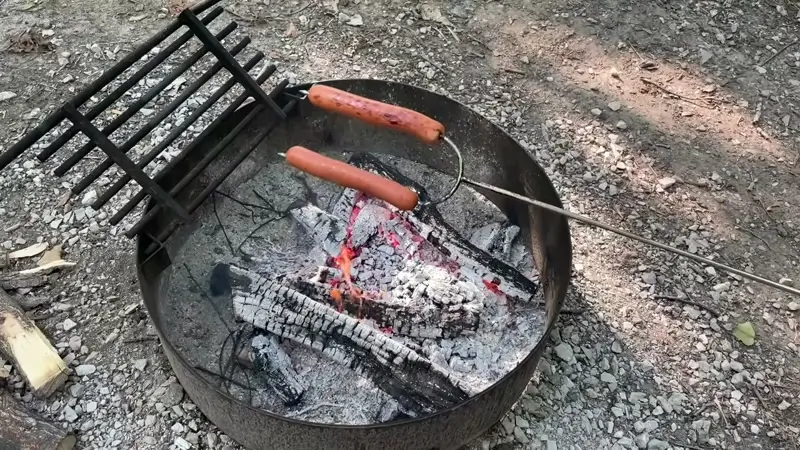
Hot dogs are a camping staple for good reason. They're easy to cook and don't require much preparation. Put a hot dog on a roasting stick by threading it lengthwise along the prong. This keeps it more stable than putting it on sideways.
Hold the hot dog over the coals, not the flames, and rotate it slowly like a rotisserie. This helps it cook evenly without burning. You'll know it's ready when the outside starts to brown and you see small bubbles forming. The inside should be hot all the way through.
To take the hot dog off the stick, use the bun like an oven mitt. Slide the bun over the hot dog and pull it off the prong. Add your favorite condiments, and you're ready to eat.
Make S'mores
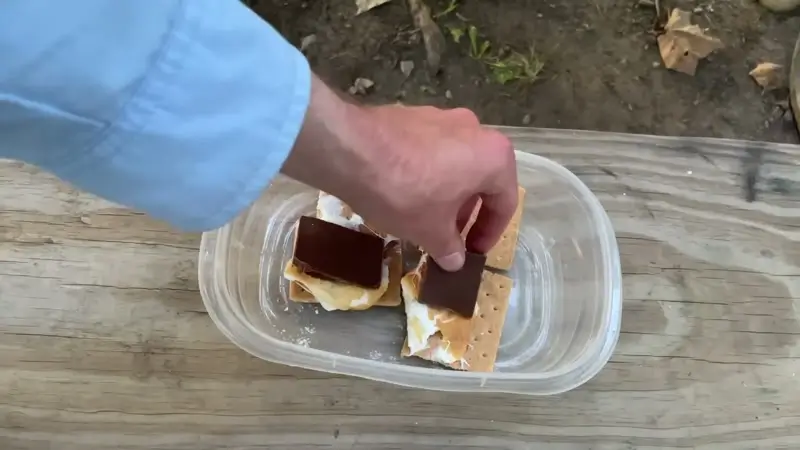
S'mores are another camping classic. You'll need marshmallows, graham crackers, and chocolate bars. Roast your marshmallow over the coals, turning it slowly until it's golden brown all over. Some people like theirs charred and black, but if you've never made one before, a nice even golden brown is a good place to start.
Once your marshmallow is roasted, place it between two graham crackers with a piece of chocolate. The heat from the marshmallow will soften the chocolate slightly, making everything come together perfectly.
Keep Breakfast Simple
The next morning, you'll want something to eat before you pack up. There are plenty of options, but keeping breakfast simple can save time and hassle. Pre-made foods like bagels, bananas, or granola bars require no cooking at all.
If you want something warm, instant oatmeal packets are easy. Just add hot water to a mug or bowl, and you're done. You can also bring a camp stove to make coffee or cook heartier meals like eggs and pancakes if you want to put in a little more effort.
Quick Tips for Packing Up
Packing up your campsite is just as important as setting it up. A few simple steps can save you trouble later.
Dry Your Gear
Before you pack anything away, make sure it's completely dry. This is especially important for your tent and rain fly. If you pack them while they're wet, you'll need to dry them out at home, and if you forget, moisture can lead to mold and mildew. Leave your tent set up a little longer to air out, or hang the rain fly separately to dry.
Do a Final Walk-Through
Before you leave, walk around your campsite and check for anything you might have left behind. It's easy to miss small items like a water bottle, a knife, or a cooking utensil. This final pass can save you from losing gear.
Leave No Trace
Pick up any trash you see, even if it isn't yours. Leaving the campsite clean and in good condition is a simple way to show respect for the outdoors and for the next campers who will use the site.
Frequently Asked Questions
Do I need a reservation for every campground?
No. Some campgrounds accept walk-ins on a first-come, first-served basis, while others require reservations made in advance by phone or online. Always check the specific campground's policy before you go.
What should I do if the campground doesn't have drinking water?
Bring your own water. Check how much you'll need for drinking, cooking, and washing, and pack enough to last your entire trip. A good rule is to bring at least one gallon per person per day.
Can I bring firewood from home?
Maybe not. Many areas have restrictions on moving firewood between counties or states because of pests that can damage forests. Check the local regulations for the area where you're camping and buy firewood nearby if possible.
How do I know when my hot dog is cooked?
Look for the outside to brown and darken slightly. You might see small bubbles forming on the surface. The inside should be hot all the way through. Rotating the hot dog over the coals helps it cook evenly.
What's the easiest breakfast to make while camping?
Instant oatmeal packets are one of the easiest options. Just add hot water to a mug or bowl. Pre-made foods like bagels, bananas, and granola bars are also great because they require no cooking at all.
This article analyzes the YouTube video "Tent Camping for Beginners (Planning, Setup, Campfire, Cooking)" by Little Campfires.
Last accessed: May 22, 2026.
All rights to the video content belong to the original creator.