Car camping is exactly what it sounds like—you sleep in or next to your vehicle instead of pitching a tent. But it’s not just for road trip nomads or people living out of vans anymore. It’s become a popular alternative to traditional tent camping because of the comfort and convenience it offers.
When you car camp, you don’t have to worry about setting up a tent in the dark or rain. You pull up, your sleeping space is already there, and you can focus on enjoying the outdoors. Plus, you can bring more gear than you could if you were backpacking, which means better sleep, better food, and less stress.
Get Your Sleep Setup Right
Your sleep arrangement is the most important part of car camping. If you don’t sleep well, the whole trip suffers.
Choose the Right Mattress
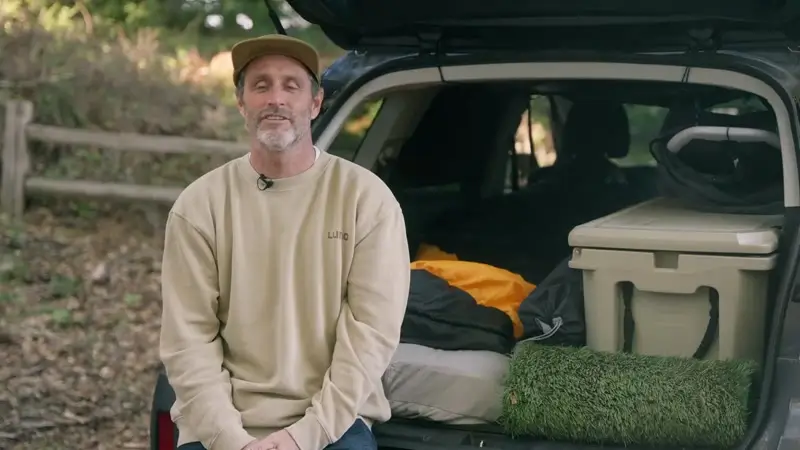
A good car camping mattress makes all the difference. Look for one that’s designed specifically for vehicle use. Many options come with two joined sides that can inflate separately—perfect if you’re camping solo or with a partner. When you’re alone, you can use just one side to save space. When someone joins you, inflate the other side for a full-size sleeping surface.
These mattresses are durable, comfortable, and compact enough to store easily. The key is to set it up before you leave home so it’s ready to go when you arrive.
Don’t Forget Bedding
Puffy jackets, blankets, and sleeping bags are all great for car camping. They keep you warm at night but pack down small when you’re not using them. Layer up based on the weather, and remember that a good sleeping bag rated for the right temperature will make a huge difference.
Pack Smart and Stay Organized
Premeditated packing—organizing your stuff before you leave the house—is one of the biggest time-savers for beginners.
Use Storage Bins
Storage bins are your best friend. They keep everything organized and easy to find. Instead of digging through duffel bags, you can grab the bin you need and get back to enjoying your trip. Label them if you want to get extra organized.
Inflatable Cubes and Compact Furniture
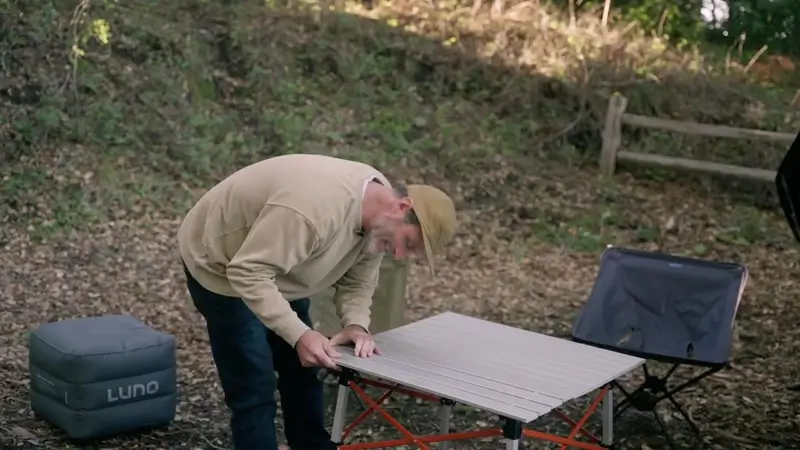
Inflatable cubes serve double duty. They stabilize your mattress by filling gaps in your vehicle, and they can double as a seat around the campfire. Chairs that pack down small are another smart choice—they save space in your car but still let you sit comfortably outside.
Don’t Skip the Table
A compact table gives you a stable surface for eating, playing cards, or setting up your stove. Many outdoor gear companies make tables that fold up small and are easy to set up and take down. You’ll be surprised how much you use one.
Stay Cool and Bug-Free
Car camping in warm weather can get stuffy fast. But rolling down your windows invites bugs inside. Here’s how to handle both.
Window Screens
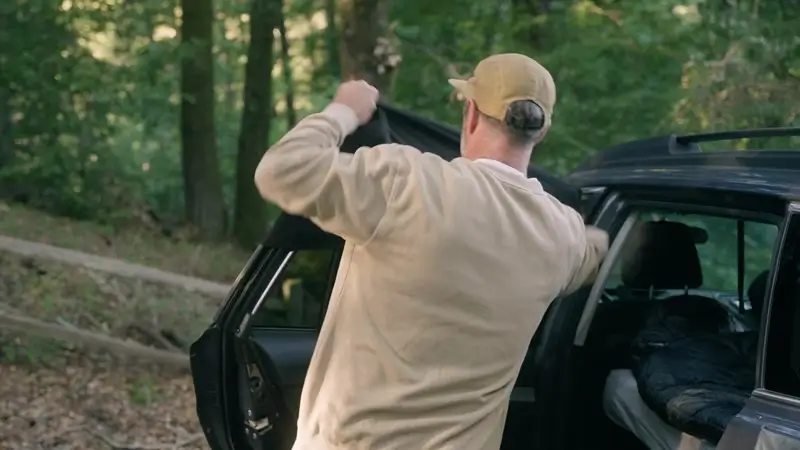
A screen that fits over your car window lets you roll the window down without letting mosquitoes in. It’s a simple solution that makes a huge difference, especially during summer trips.
Bring a Fan
Airflow is critical when you’re sleeping in a vehicle. A small USB-powered fan with a suction cup can stick to any window. If it gets dusty or dirty, just rinse it off. Plug it into a power bank, and you’ve got a cool breeze all night long.
Keep Your Meals Simple
Cooking while car camping is different from cooking at home. You don’t have unlimited space for spices and kitchen gadgets, so think simple.
Easy Meal Ideas
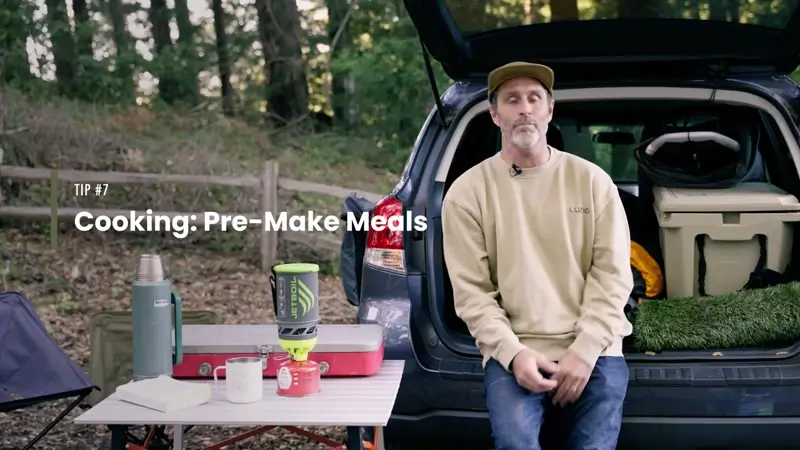
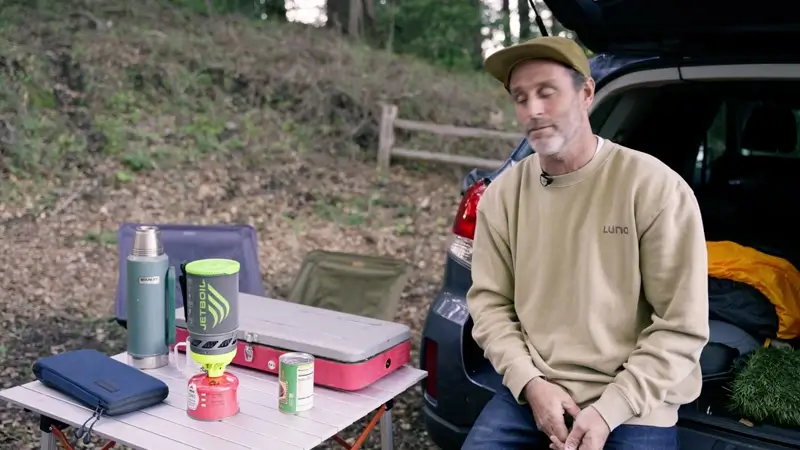
Canned foods like chili, just-add-water meals like oatmeal, and instant coffee are all great options. Pre-making meals at home and packing them in Tupperware in your cooler saves time and cleanup. If you want pancakes in the morning, bring a pre-mixed package of dry ingredients.
Cooking Gear
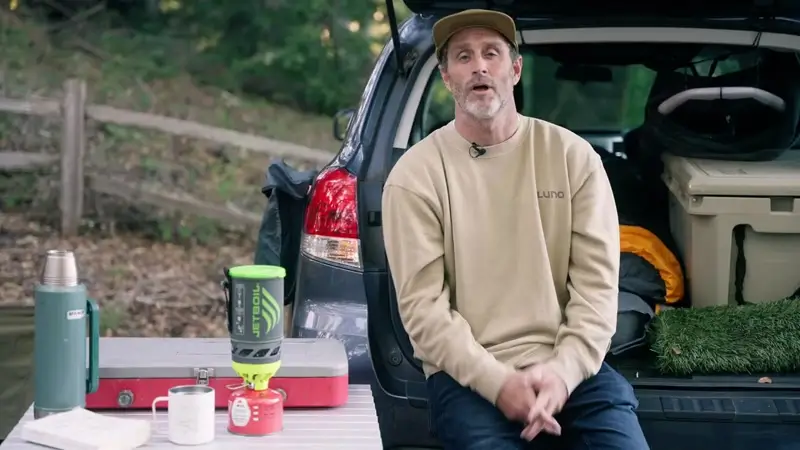
A camp stove is a reliable option for cooking. A two-burner stove folds up compact and can handle pots and pans. For quick meals that just need hot water, a small jet-style stove heats up fast and is very portable.
Remember to bring the right propane canisters, a lighter, and a good set of utensils. Don’t rely on building a campfire for cooking—many campgrounds have fire restrictions, so having a backup plan is essential.
Light Your Space Without Draining Your Battery
Your car’s headlights won’t last forever, and leaving them on will kill your battery. Bring dedicated lighting instead.
Headlamps are great for hands-free tasks like cooking or setting up gear. Lanterns set the mood and light up your campsite. Look for battery-powered or solar-powered options to avoid relying on your vehicle’s electrical system.
Bring Cash and Plan Ahead
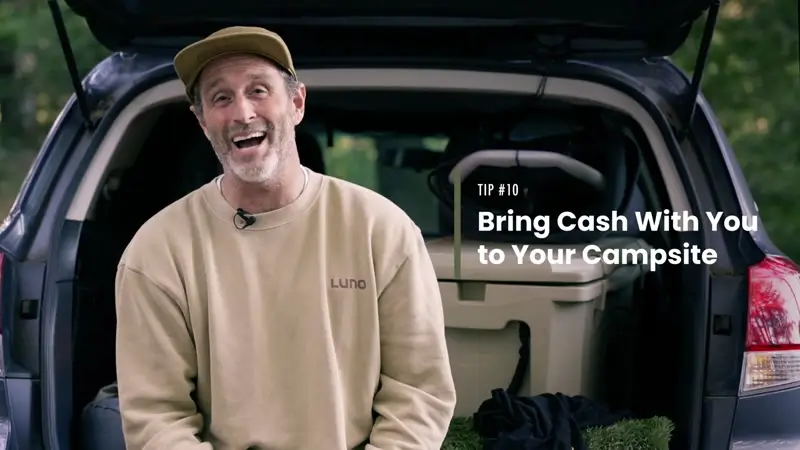
Many federal and state campgrounds still operate on a cash-only basis. There probably won’t be an ATM nearby, so bring enough cash to cover your reservation fees.
This ties into one of the core principles of Leave No Trace: be prepared and plan ahead. Even if you’re not sure exactly where you’ll end up, at least research the general area. Let a friend know where you’re going. The last thing you want is to be in the middle of nowhere with no cell service and no one who knows where you are.
Use Helpful Resources
Bureau of Land Management (BLM) lands and National Forest lands are great places to find free and secluded camping spots. Google Maps lets you download a pinned location to use offline, and you can share that location with friends or family so they always know where you are.
Frequently Asked Questions
Q: Do I need a special vehicle for car camping?
No, any vehicle with enough space to lay flat can work for car camping. SUVs, minivans, hatchbacks, and even sedans with fold-down seats can be used. The key is measuring your space and finding a mattress or sleeping pad that fits.
Q: Is car camping safe?
Yes, as long as you take basic precautions. Let someone know where you’re going, research your campsite ahead of time, and bring proper lighting and ventilation. Avoid sleeping with the engine running, and always check for carbon monoxide risks.
Q: How do I stay warm while car camping?
Layer your bedding and clothing. Use a sleeping bag rated for the temperature, add blankets on top, and wear warm socks and a hat. A puffy jacket can also help if you get cold during the night.
Q: What do I do if I need to use the bathroom at night?
Keep a headlamp and a small emergency kit within reach. If your campsite has restrooms, know where they are before dark. Some car campers also bring a portable toilet or waste bags for emergencies.
Q: Can I car camp anywhere?
No, you need to check local regulations. Many areas require camping in designated spots or on public lands like BLM or National Forest land. Always verify rules about overnight parking and fire restrictions before you go. *This article analyzes the YouTube video “Car Camping 101” by an unnamed creator. Last accessed: May 26, 2026. All rights to the video content belong to the original creator.*