So you want to start fishing, but you walk into a sporting goods store and suddenly feel like you need a translator. Rods, reels, lines, lures, tools—it's easy to get overwhelmed before you even hit the water. The good news is you don't need to spend a fortune or buy everything at once. In fact, starting simple is often the smarter move.
This guide breaks down exactly what you need to get out there and start catching fish. No fluff, no overcomplicating things. These are the basics that will save you time, money, and a whole lot of frustration.
Get a Spinning Rod and Reel Combo
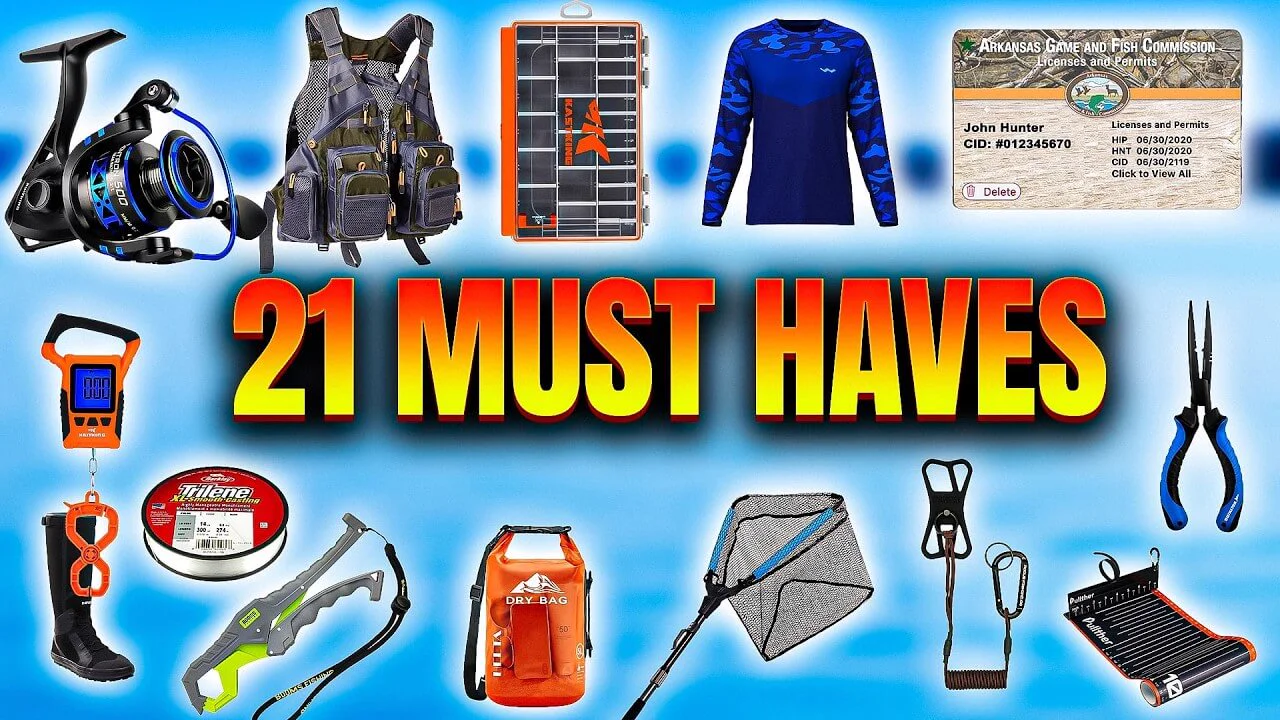
Your rod and reel is the foundation of everything you'll do on the water. For beginners, keep it simple: buy a spinning rod and reel combo. Don't overthink this one, and definitely don't go for a baitcaster yet. Stick with a spinning setup.
Look for a medium power rod in the 6½ to 7-foot range. This is the sweet spot that will handle most of what you'll run into as a beginner. It's not a one-size-fits-all solution, but it's a one-size-does-most. You can find perfectly good combos for under $75 at most sporting goods stores. Your first rod doesn't need to be fancy—it needs to work.
Once you get comfortable and want to explore techniques like topwater fishing, frogging, or flipping, you can look into heavier rods or baitcasters later. But don't rush. Spend time getting confident with your basic setup first.
Spool Up with Monofilament Line
Monofilament line is your best friend when you're starting out. It's budget-friendly, forgiving, and easy to work with. If you mess up and get a massive bird's nest, you can strip the whole spool off and replace it without crying over the cost.
Start with 8 to 10-pound test line. That weight will get you through most situations you'll face as a beginner. Many experienced anglers eventually switch to braided line with a fluorocarbon leader, but there's nothing wrong with sticking to mono for your first season or two. It works, it's reliable, and it won't break the bank.
Build a Basic Tackle Kit
Your tackle choices will depend on where you're fishing and what you're after. If you're targeting bass, which is a great place to start, here are a few proven options.
Soft plastic swimbaits in the 3½ to 4-inch range are excellent choices. They have a realistic swimming action that fish find hard to resist. Pair them with jig heads around ⅛ ounce for a simple, effective setup.
Another classic is the stick-style worm, like a 5-inch Senko-style bait. You can fish it weedless with an offset hook or wacky-style on a circle hook. Green pumpkin with a chartreuse tail is a popular color combination for a reason—it works.
If you prefer live bait like nightcrawlers or minnows, grab some bobbers and circle hooks. That's a time-tested approach that catches fish.
Pack Needle-Nose Pliers
You will need pliers on your very first fishing trip. Probably multiple times. The main job is removing hooks from fish, especially when dealing with treble hooks or fish with teeth. You don't want to stick your fingers in there.
Basic hardware store needle-nose pliers work fine. Multi-tool versions with extra features like knives or bottle openers are handy too. The step up is specialty fishing pliers, which resist rust and often include features like split ring openers, line cutters, and leash attachments. Any of these options will get the job done.
Carry Line Clippers
Small line clippers make your life much easier every time you tie on a new lure or cut leader material. They cut through mono, braid, and fluorocarbon cleanly. They're compact enough to hang from your bag or belt loop, so they're always within reach.
You can use a pocket knife for the first couple years like many people do, but once you switch to proper line clippers, you'll wonder why you waited.
Get a Tackle Box or Bag
You need somewhere to keep your gear organized. A standard 3600-size tackle box is perfect for storing hooks, plastics, jerkbaits, and crankbaits. Waterproof versions with rubber seals are nice if you fish from a kayak or in wet conditions.
A simple backpack works well too. You can toss a couple tackle boxes inside along with your tools. Many fishing-specific bags come with built-in tackle storage and extra pockets for staying organized.
Buy a Fishing License
This might seem obvious to some, but it's worth saying: you need a fishing license. Every state in the US requires one, and the fines for fishing without one can run $100 to $200 or more.
Beyond avoiding fines, license fees fund conservation efforts, lake stocking, and management of invasive species and algae blooms. Staying legal helps the sport and the environment.
Wear a Fishing Vest
A lightweight fishing vest is especially useful for bank fishermen. It lets you carry your essentials on your body instead of digging through a bag every time you need to change lures. They're inexpensive and give you easy access to your pliers, extra hooks, and phone.
Use Fish Grips
Fish grips, also called lip grabbers, keep your hands away from sharp teeth and treble hooks. If you catch pickerel, musky, or walleye, you definitely don't want to be lipping them the way you would a bass.
Plastic floating grips are a good choice because they won't sink if you drop them. They clamp onto the fish's lower jaw and hold it securely while you remove hooks with your other hand.
Bring a Landing Net
A landing net saves you from losing fish at the bank and is better for the fish too. Instead of dragging a fish onto rocks or leaves, you scoop it up in the net. Folding nets are great for bank fishing because they pack down small enough to fit in a backpack.
Rubber nets are preferable to cloth ones because hooks don't get tangled as easily. If you hook a jerkbait in a cloth net, you'll be picking it out for a while.
Pack a Dry Bag
A dry bag keeps your phone, wallet, and keys safe from rain, splashes, or an accidental drop in the water. They come in sizes from 5 liters up to 30 liters. Many have straps for carrying over your shoulder or like a backpack. It's a simple piece of gear that can save you a lot of headaches.
Tether Your Phone
Phones might be waterproof, but they don't float. A phone tether clips to your vest or belt loop and attaches to your phone case. It's cheap insurance against watching your phone sink to the bottom of the lake.
Wear Polarized Sunglasses
Polarized sunglasses do two important things. First, they protect your eyes from the sun reflecting off the water, which can cause headaches and eye strain. Second, they cut through surface glare so you can see underwater structure, vegetation, and drop-offs.
You don't need to spend hundreds of dollars. Good polarized glasses are available starting around $50. Different lens tints work better in different conditions, but any polarized pair will be a huge upgrade over regular sunglasses.
Use Sun Protection Apparel
A tank top on a sunny day is a bad idea on the water. UV rays are intense when they reflect off the water, and the damage adds up over time. Look for lightweight, breathable sun shirts with ventilation and stretch fabric. Hooded versions with neck gaiters offer even more coverage.
Wear a Hat
A cap or wide-brim hat keeps the sun off your face and out of your eyes. Wide-brim styles provide more shade and help keep you cooler during long days on the water.
Choose Proper Footwear
Your footwear depends on the season. In summer, water shoes protect your feet from hot surfaces, sharp rocks, and broken glass. In colder months, waterproof boots keep your feet warm and dry. Good traction is important whether you're wading, walking slippery banks, or launching a kayak.
Bring Bug Protection
Mosquitoes love the water as much as you do. Standard bug spray works fine. If you prefer not to spray yourself, a Thermacell repellent device creates a bug-free zone around you. Just note that refills are consumable and wind can blow the repellent away.
Check the Weather Forecast
Knowing the forecast helps you plan around rain, wind, and temperature changes that affect fish behavior. A cold front coming in changes fish patterns. Strong wind from a certain direction might send you looking for a protected cove.
Your phone's weather app is a good start. Wind-focused apps help with wind direction, and river flow apps are useful if you fish moving water. Some fishing-specific apps combine weather data with depth maps and bottom information.
Consider a Digital Scale
A scale isn't essential, but it's nice to have when you catch what might be a personal best. Without it, you'll always wonder how big that fish really was. Compact scales that measure in pounds and ounces are easy to pack.
Bring a Measuring Device
Some anglers prefer measuring fish over weighing them. Tournament-style measuring boards are accurate and widely accepted for competitions. If you don't want to carry a board, a simple measuring tape works for personal records.
Stay Organized with a Fishing App
Fishing apps can help shorten the learning curve by providing lake breakdowns, technique advice, and community support. Some offer live classes and online tournaments. It's like having experienced anglers sharing what's working in real time.