So you want to start hunting. Maybe you've watched outdoor shows, heard stories from friends, or just feel drawn to spend more time in the woods. But when you actually sit down to figure out how to get started, it can feel overwhelming. There are rules, licenses, gear decisions, and a whole lot of terminology you've never heard before.
The good news? Getting started is simpler than it looks. You don't need a closet full of expensive equipment or years of experience to take your first steps into hunting. What you do need is a clear path forward, and that's exactly what we're going to cover here.
This guide breaks down the bare-bones process of becoming a hunter, based on what you actually need to do. Every state has its own specific rules, but the overall process stays pretty consistent across the country. Let's walk through it step by step.
Complete a Hunter Safety Education Course
Before you can legally hunt in most states, you need to complete a hunter safety education course. This isn't just a formality—it's the foundation for everything else you'll do in the field.
What the Course Covers
These courses typically run about ten hours and cover the essentials you need to know before heading out. The curriculum includes hunting laws and regulations, ethics and responsible hunting practices, firearm safety (which is the number one priority), blood trailing and tracking wounded animals, proper shot placement and kill shots, and basic field dressing and game processing.
The course is designed to prepare you for real situations you'll face in the woods. It's not about making things complicated—it's about making sure you understand how to hunt safely and responsibly.
Online vs. In-Person Options
In the past, hunter safety courses were only available in person. Today, many states offer online options that let you complete the coursework from home. There's usually a fee involved, and the exact process varies by state. Some states require a combination of online learning and an in-person field day, while others allow you to complete everything online.
Check your state's fish and wildlife agency website to see what options are available where you live.
Courses for Different Types of Hunting
Depending on what kind of hunting you want to do, you may need different certifications. Small game hunting requires a basic hunter safety course. Big game hunting often requires additional coursework or age requirements. Archery hunting has its own specific course in many states. And if you're interested in trapping, that's usually a separate certification as well.
The good news is that once you complete the basic course, you're eligible to hunt small game immediately. As you get older or want to pursue bigger game, you can add additional certifications.
Choose What Type of Hunting to Start With
Once you've passed your course, you'll need to decide what kind of hunting you want to pursue first. This decision affects what gear you'll need, what licenses you'll buy, and how you'll spend your time in the field.
Small Game Hunting
Many new hunters start with small game, and there's a good reason for that. Small game animals like squirrels, rabbits, and birds are more abundant and have longer seasons. The firearms are smaller and less expensive, ammunition costs less, and processing the animal is simpler. You can get comfortable shooting at a range, learn to pattern your shotgun, and build confidence before moving to bigger game.
Small game hunting also gives you more opportunities to practice your skills. You'll spend more time in the woods, learn to read animal behavior, and develop your field craft without the pressure of a big game hunt.
Big Game Hunting
If you're ready to jump straight into deer hunting or larger game, that's an option too—provided you meet the age requirements in your state. Big game hunting requires more planning, more gear, and a deeper understanding of animal behavior and habitat. But for many hunters, it's the ultimate goal.
Archery and Muzzleloader Options
Beyond rifle and shotgun hunting, there are other seasons and methods to consider. Archery season typically opens before rifle season and offers a different challenge. Crossbows are an option in many states as well. Muzzleloader season comes after rifle season in many areas, giving you an extended opportunity to hunt.
Each method has its own learning curve, equipment requirements, and regulations. You don't have to do everything at once—pick one and get good at it before branching out.
Buy Your License and Tags
After passing your hunter safety course, the next step is purchasing your hunting license and any additional tags you need.
Understanding Tags and Zones
A hunting license gives you the basic right to hunt, but tags are what allow you to harvest specific animals. Tags are often assigned to specific zones or management areas, and each state divides its territory differently. When you buy your license, you'll need to know where you plan to hunt so you can select the right zone.
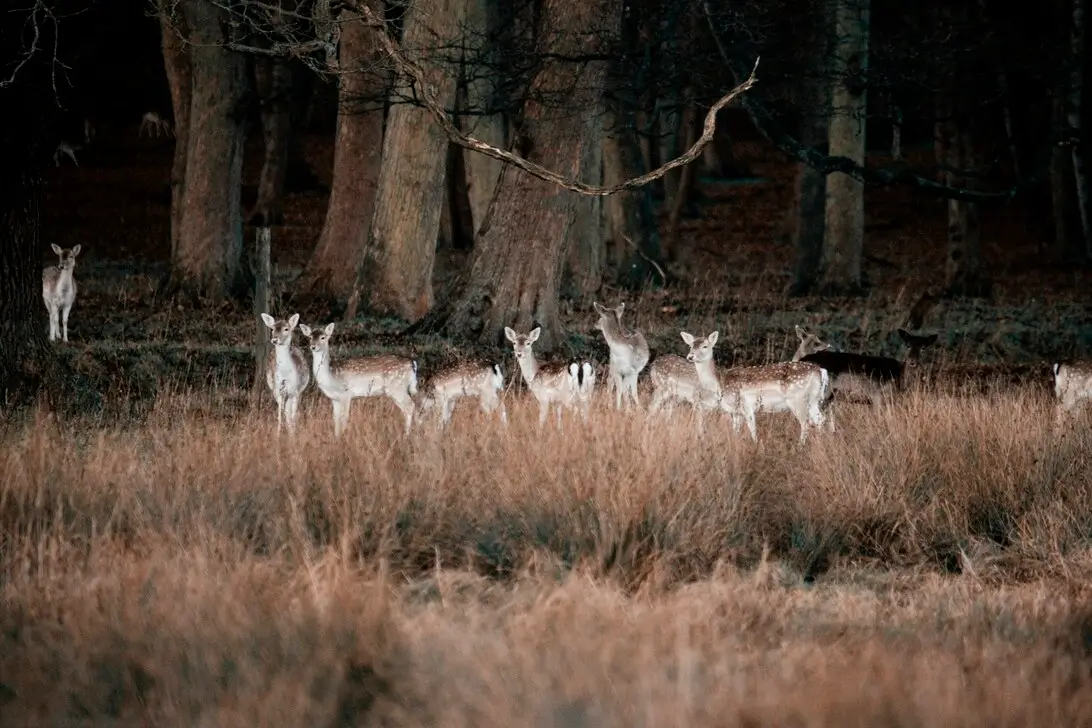
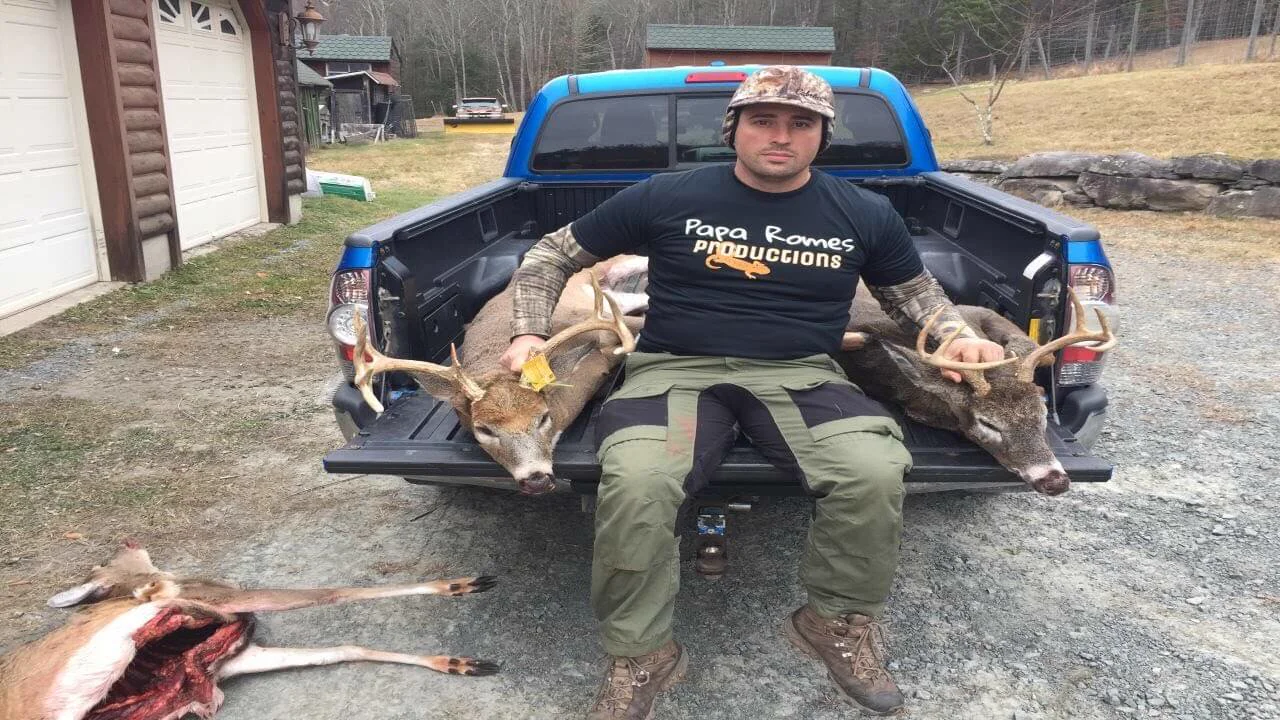
For big game hunting, you may have the option to purchase doe tags (for antlerless deer) in addition to your buck tag. These tags are often zone-specific, so you'll need to look at a state map and choose your area.
Where to Buy
Licenses are available at sporting goods stores, outdoor retailers, and many county clerk offices. You can also purchase them online through your state's fish and wildlife website. In some states, you'll need to print your tags at home, while others still mail paper tags.
Get the Regulation Book
When you buy your license, ask for the current hunting and trapping regulation digest. Every state publishes one, and it contains everything you need to know: season dates for every animal, bag limits, legal equipment, zone maps, and any recent law changes.
This book is your most important reference tool. Keep it with your gear or save a digital copy on your phone. The regulations change every year, so make sure you're looking at the current version for the season you're hunting.
Find a Place to Hunt
You don't need private land to hunt. Public land is available in most states, and it's where many hunters spend their entire hunting careers.
Public Land Options
State forests, wildlife management areas, and national forests all offer public hunting access. Each area has specific rules about what's allowed, so check the regulations before you go. Look for signage at access points and use mapping resources to identify designated hunting areas.
Using Maps and Online Resources
State wildlife agency websites often have interactive maps showing public hunting lands. You can also use Google Maps, GPS apps, and paper maps to scout potential locations. Look for areas with a mix of habitat types—food sources, water, and cover are the basics that animals need.
Hunting with Others
If you have friends who already hunt, ask if you can tag along. Hunting with experienced people is one of the best ways to learn. They can show you how to read sign, set up stands, track animals, and process game. Most hunters are happy to help new people get started—it's how the tradition continues.
Get the Right Gear (But Don't Overthink It)
Here's the thing about hunting gear: you don't need much to get started, and you definitely don't need the expensive stuff you see on TV.
The Essentials
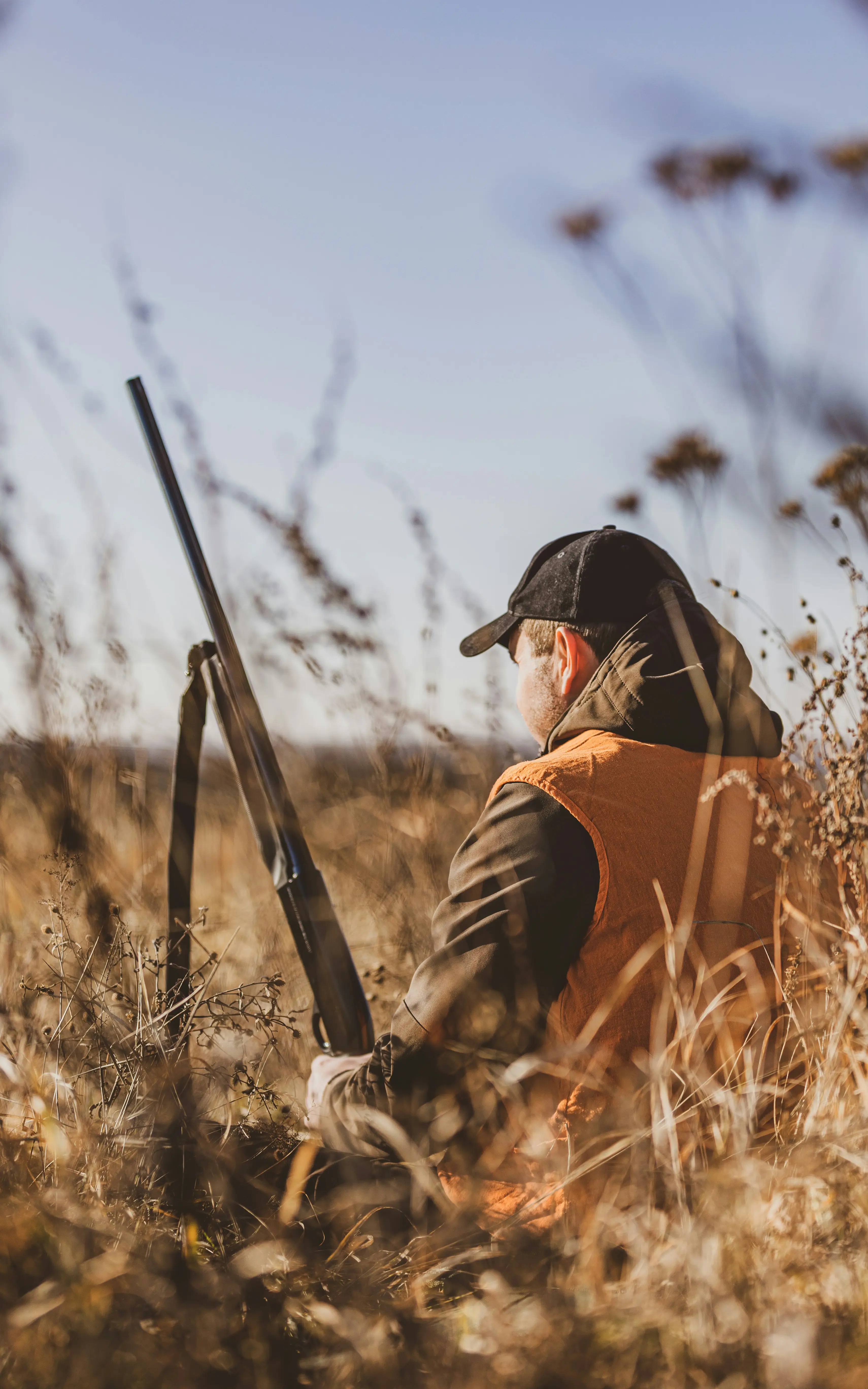
For your first season, focus on the basics. You'll need a firearm or bow appropriate for the game you're hunting, blaze orange clothing (required in most states during firearm seasons), a sharp knife with a blade around four to four and a half inches, and basic weather-appropriate clothing. That's really it.
What Not to Buy
Don't go out and buy a Rambo knife or every gadget you see in a catalog. You don't need top-of-the-line camo or the latest scent-control technology. Hunters used to wear blue jeans and plaid shirts and did just fine. The gear doesn't make you harvest game—your skills and knowledge do.
Ask Before You Buy
Before spending money on gear, talk to the people you'll be hunting with. They can tell you exactly what you need for your specific area and the game you're after. In some zones, a single shotgun with a slug barrel might be all you need for everything from squirrels to deer. In other areas, you might want different firearms for different seasons.
If you have questions about specific gear, reach out to experienced hunters or look for educational content that explains what works and why. Just remember that you can always add more gear later as you figure out what you actually need.
Practice and Prepare
Once you have your license, your spot, and your basic gear, it's time to get comfortable with your equipment.
Visit a Shooting Range
Find a local shooting range where you can practice. If you're new to firearms, consider hiring an instructor to teach you the basics of safe handling and accurate shooting. Learn how to sight in your rifle or pattern your shotgun so you know exactly where your shots will go.
Learn Basic Field Skills
Beyond shooting, take time to learn other essential skills. Practice using a map and compass or GPS. Learn basic fire safety and survival skills for the outdoors. Watch videos or take a class on field dressing and processing game. The more you know before you head out, the more confident you'll feel.