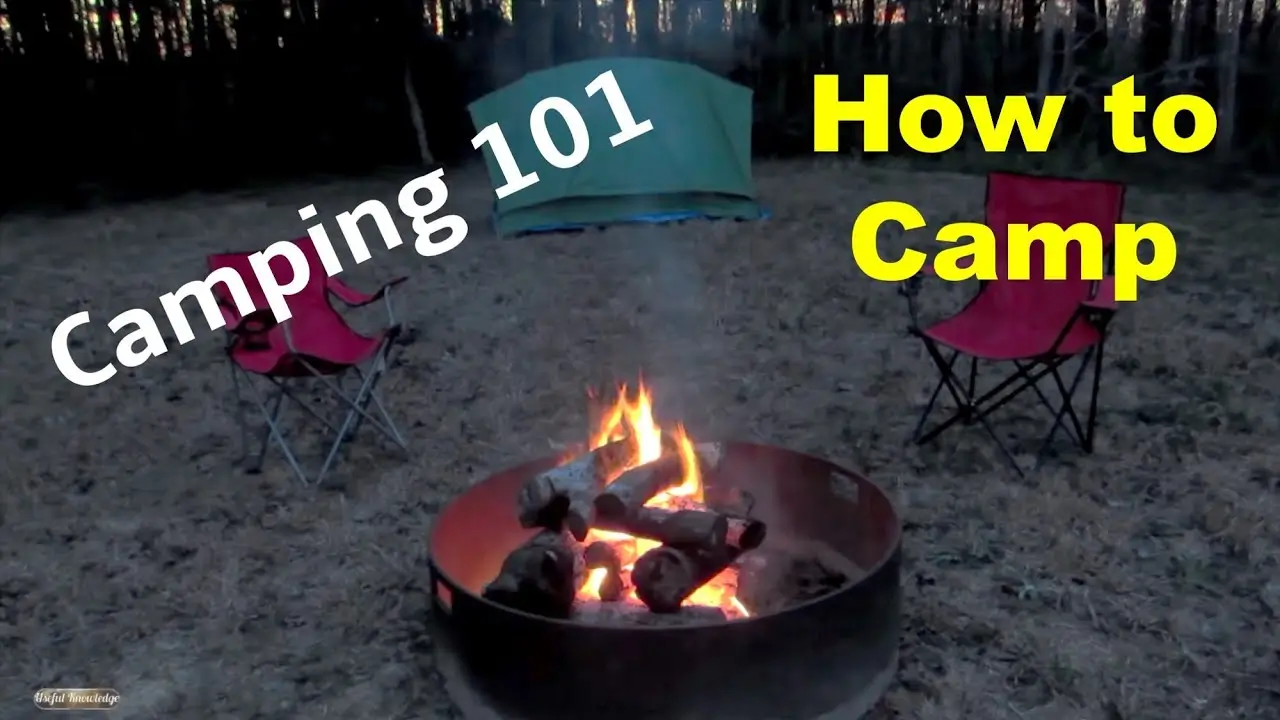
The first time I went camping, I showed up with a suitcase and zero clue what I was doing. I remember standing in the middle of a campground, watching experienced campers effortlessly pitch their tents and start crackling fires while I fumbled with a bag of gear I barely understood. If that sounds familiar, you're in the right place. Camping doesn't have to be complicated or intimidating. With a few basic skills and the right approach, you can head into the outdoors feeling confident and prepared. Here's everything you need to know for your first camping trip, from setting up your tent to building a campfire and cooking a meal over it.
Set Up Your Tent
When you first arrive at your campsite, the tent should be your first priority. Getting your shelter set up early gives you a home base and peace of mind for the rest of your trip.
Choose the Right Spot
Look for a flat, level area free of rocks, sticks, and roots. Avoid low spots where water might pool if it rains. Most state and federal campgrounds have designated tent pads that make this easy.
Use a Ground Cloth
Before you set up your tent, lay down a ground cloth or tarp. This simple layer protects the bottom of your tent from moisture in the grass and from sharp objects like sticks or rocks that could poke holes in the floor. Make sure the tarp is slightly smaller than your tent footprint so it doesn't stick out and collect rainwater underneath.
Assemble Your Tent
Follow your tent's instructions for setup. Most modern tents use a simple pole system that clips or slides into place. You'll need tent stakes to secure the corners and guylines. A rubber mallet or regular hammer makes driving stakes into the ground much easier than trying to push them in by hand.
Set Up Your Bedding
Once your tent is standing, it's time to create a comfortable sleeping setup. For your first camping trip, comfort matters more than being ultralight or rugged.
Choose a Sleeping Pad or Mattress
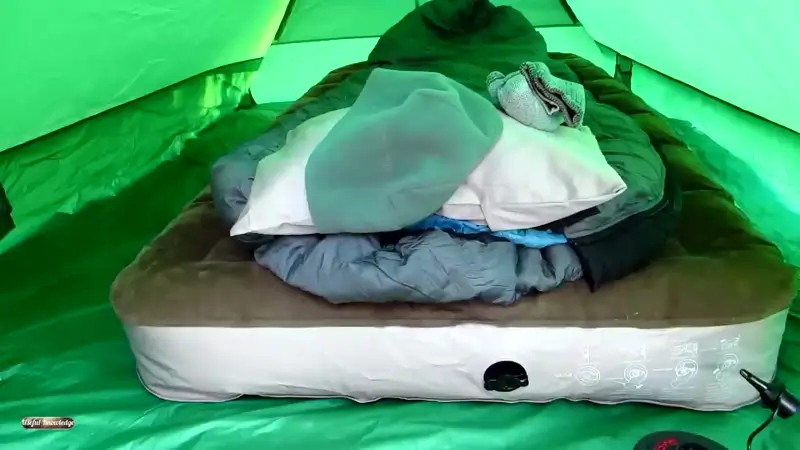
A good sleeping pad makes all the difference between a restful night and a miserable one. An inflatable camping mattress from any outdoor or big-box store works great for beginners. These mattresses inflate in about two to three minutes using a built-in pump or a separate pump bag. Alternatively, a foam mattress pad provides insulation and cushioning. Whatever you choose, don't forget to bring batteries if your mattress has an electric pump.
Pick the Right Sleeping Bag
Sleeping bag ratings can be confusing, but here's a simple rule for beginners: buy a bag rated for 20 degrees colder than the temperature you expect to camp in. For example, if the forecast says 35 degrees Fahrenheit, choose a bag rated for 15 degrees. This extra margin keeps you warm and comfortable, especially if temperatures drop more than expected.
Bring a Pillow
You don't need to buy a special camping pillow. A regular pillow from home works perfectly fine. If space is tight, you can stuff extra clothes into a stuff sack for a DIY camping pillow.
Stay Warm While Sleeping
A few simple tricks help you stay warm through the night. Wear a beanie or hat to bed since you lose a lot of heat through your head. Most importantly, put on a fresh pair of dry socks before climbing into your sleeping bag. The socks you wore in your boots all day are likely damp from sweat, and damp feet will make you cold. Swapping them out for dry socks makes a huge difference in comfort.
Build a Campfire
A campfire is the heart of the camping experience. If you've never started one before, don't worry. This method is simple and reliable.
Gather Your Materials
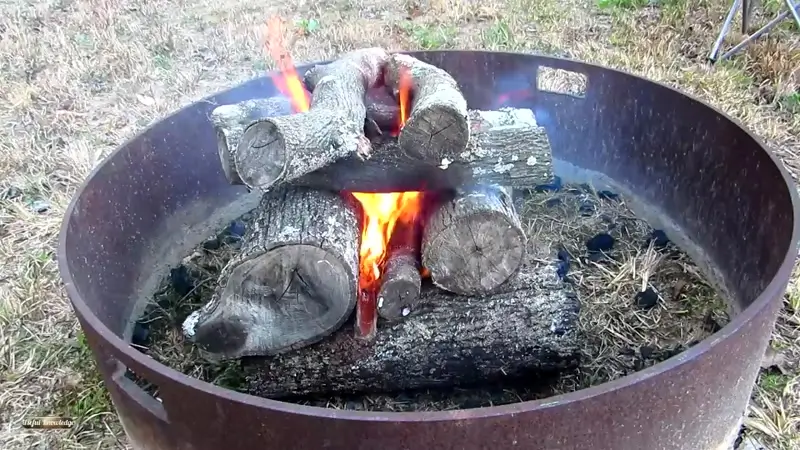
You'll need instant light charcoal, some firewood in various sizes, and a fire starter. Most campgrounds provide a fire ring or fire pit. If you're at a primitive site, you may need to build your own ring using rocks.
Build a Log Cabin Fire
Start by mounding up a pile of instant light charcoal in the center of your fire ring. Then build a log cabin structure around it using larger logs. Place two logs parallel to each other on either side of the charcoal, then two more perpendicular on top, creating a square. Continue stacking in this pattern, using progressively smaller logs as you go up. Place a few smaller sticks or kindling underneath the charcoal to help the fire catch.
Light the Fire
Light the charcoal according to the package instructions. Let it burn for about five minutes. You'll see the charcoal start to glow and the smaller logs begin to catch. At this point, add a small piece of wood right in the middle of the fire. This piece will catch quickly and help the whole fire spread.
Maintain Your Fire
Campfires burn down and collapse as the wood turns to ash. You'll need a few tools to manage your fire safely. A cheap shovel from any hardware store works perfectly for moving logs and coals around. A pair of leather gloves protects your hands when handling hot wood or adjusting the fire. As the fire burns, add more wood as needed, especially if you're getting cold or want to keep the fire going into the evening.
Cook Dinner Over the Fire
Cooking over a campfire is easier than you might think. For your first time, keep it simple with food that's hard to mess up.
Choose Easy Foods
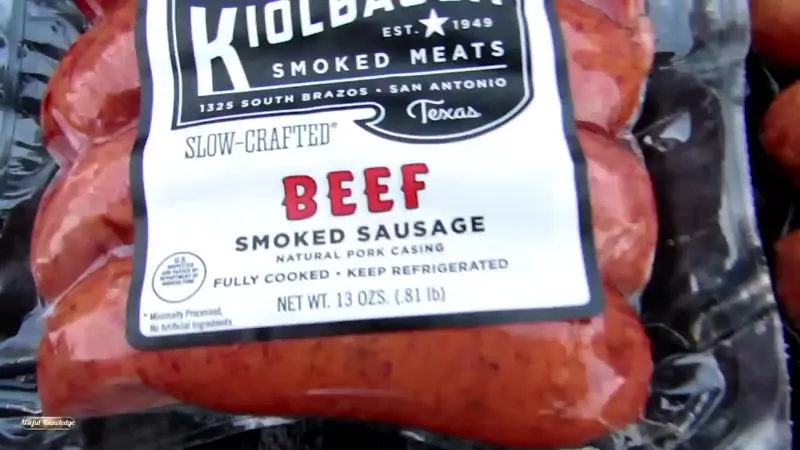
Hot dogs, brats, or beef sausage are excellent choices for beginner campfire cooking. Look for sausages labeled "fully cooked" at the store. Since they're already cooked, you don't have to worry about undercooking them or getting sick. You're just heating them up and browning them over the fire. They're ready to eat once they're hot and browned on the outside.
Bring the Right Gear
A camp fork is essential for cooking over a fire. These are about three feet long and available at camping stores or big-box stores in the camping section. They keep your hands safely away from the flames while you cook. Before using your camp fork for the first time, hold it over the fire for a minute to burn off any manufacturing residue or dirt.
Assemble Your Meal
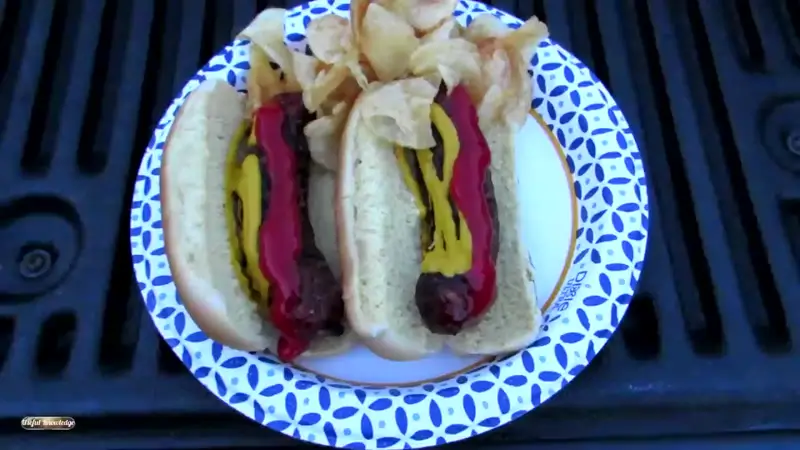
Along with your sausages or hot dogs, bring hot dog buns, chips, ketchup, mustard, and whatever you like to drink. Water is always a good choice. Don't forget paper plates, utensils, and a roll of paper towels for easy cleanup.
Cook Your Food
Put your sausage on the camp fork and hold it over the fire, rotating occasionally. Fully cooked sausages only need about five minutes over the fire to heat through and brown. Once they're done, put them in the buns, add your condiments, and enjoy your camp meal.
Make Cowboy Coffee and Breakfast
Waking up in the woods is one of the best parts of camping. Starting your morning with a hot breakfast makes it even better.
Make Cowboy Coffee
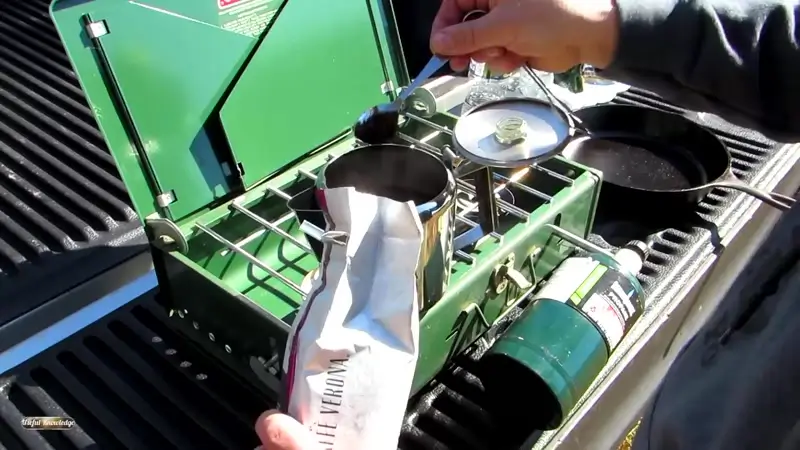
Cowboy coffee is simple and requires no special equipment. Bring water to a boil in a pot or kettle. Once it's boiling, remove the pot from the heat. Add one well-rounded teaspoon of ground coffee for every cup of water. For example, if you have five cups of water, add five teaspoons of coffee. Stir the grounds into the water, then put the pot back on low heat. Watch for the coffee to start bubbling. Once it does, turn the heat down very low or off entirely. Let the pot sit for a few minutes so the grounds settle to the bottom. Pour carefully, and you'll have a hot cup of coffee with minimal grounds in your cup.
Cook a Simple Breakfast
A cast-iron skillet is perfect for camp cooking, but if you don't have one, you can use any camp-friendly pan. Slice bagels in half and warm them in the skillet over low heat. Once they start to brown, flip them. The skillet stays hot even after you turn off the stove, so you can turn everything off and let the residual heat finish warming your bagels. Spread cream cheese on the warm bagels, and you've got a satisfying camp breakfast.
No Stove? No Problem
If you don't have a camp stove, you have options. Borrow one from a friend, or simply skip cooking breakfast altogether. Most campgrounds are close to towns with restaurants where you can grab breakfast. There's no rule that says you have to cook every meal over a fire.
Frequently Asked Questions
Q: Do I need a special tent for camping?
No, any tent that protects you from the elements will work for your first camping trip. Three-season tents are the most common and work well for spring, summer, and fall camping. Make sure your tent has a rainfly to keep moisture out.
Q: What if I can't sleep because it's too cold?
Wear a hat to bed, use a sleeping bag rated for colder temperatures than you expect, and always put on dry socks before sleeping. If you're still cold, add extra layers of clothing or use a blanket inside your sleeping bag.
Q: How do I know if my food is cooked over a campfire?
For beginners, the safest option is to use pre-cooked sausages or hot dogs. They only need to be heated through and browned. You'll know they're done when they're hot to the touch and have a nice brown color on the outside.
Q: Can I bring food from home for camping?
Absolutely. Many campers bring food from home, including pre-made meals, snacks, and drinks. Just make sure to store perishable items in a cooler with ice. Keep your cooler in the shade and open it as little as possible to keep food cold longer.
Q: What do I do if it rains while I'm camping?
Make sure your tent is properly set up with the rainfly attached. Keep your gear inside the tent and off the ground. If you have a tarp, you can set it up as a canopy over your cooking area. Most of the time, rain passes quickly, and you can continue your activities afterward. This article analyzes the YouTube video "Camping 101 for Beginners | Useful Knowledge" by Useful Knowledge. Last accessed: May 26, 2026. All rights to the video content belong to the original creator.