The first time I went camping with friends, I showed up with a suitcase, a single sleeping bag, and absolutely no idea what I was doing. I spent the night shivering in a tent that leaked, eating cold beans from a can, and wondering why anyone would voluntarily do this. Looking back, I realize the problem wasn't camping itself — it was that nobody had ever shown me how to pack properly. I was missing half the essentials and had no system for remembering what to bring. That's exactly why this guide exists. Whether you're planning your first overnight trip or you've been burned by a poorly packed trip before, I'm going to walk you through a simple five-category packing system that will help you remember everything you need. No more showing up without a sleeping pad or realizing you forgot warm socks at midnight.
The Golden Rule of Camping with Others
Before we get into the gear, there's one thing you need to understand that matters more than any piece of equipment. If you're bringing people with you — especially first-timers — your number one job is making sure they feel comfortable. Nature can be rough. The cold is real, the ground is hard, and bugs exist. Let your friends bring their favorite blanket from home. Let them bring an air mattress if that's what they want. Your goal is to accommodate them in a way that makes them want to come camping again. If someone has a miserable first experience because they were cold, wet, and uncomfortable, they're probably never going to join you again.
The Five-Category Packing System
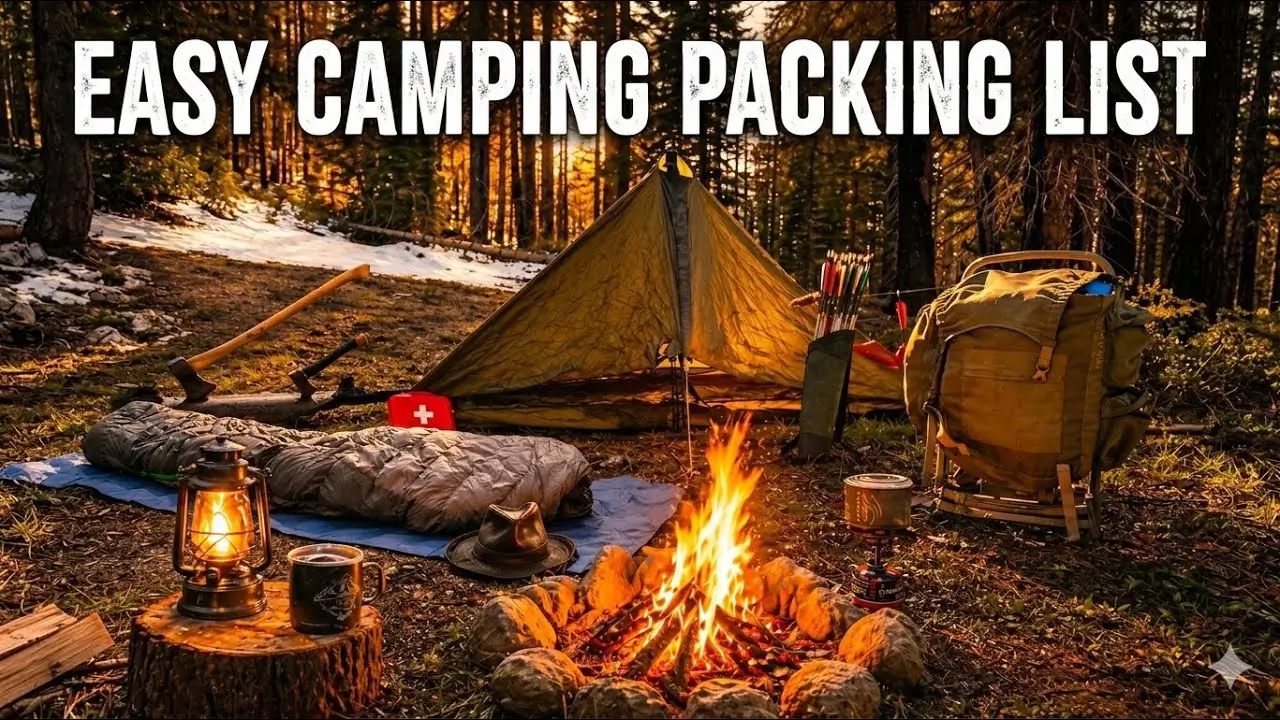
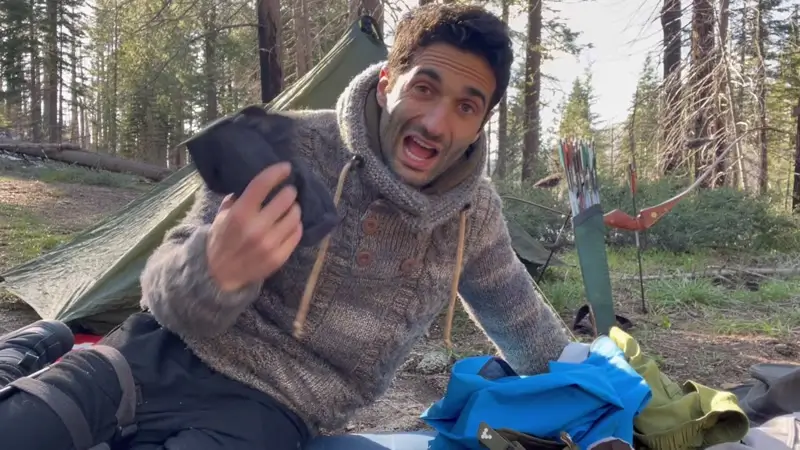
Here's the system that makes packing simple. Everything you need fits into five categories: shelter, clothing, cooking and water, living essentials, and adventure extras. Let's break each one down.
Shelter and Sleep System
Your shelter category covers everything related to where you sleep. This is the foundation of a good camping experience.
Choosing a Tent
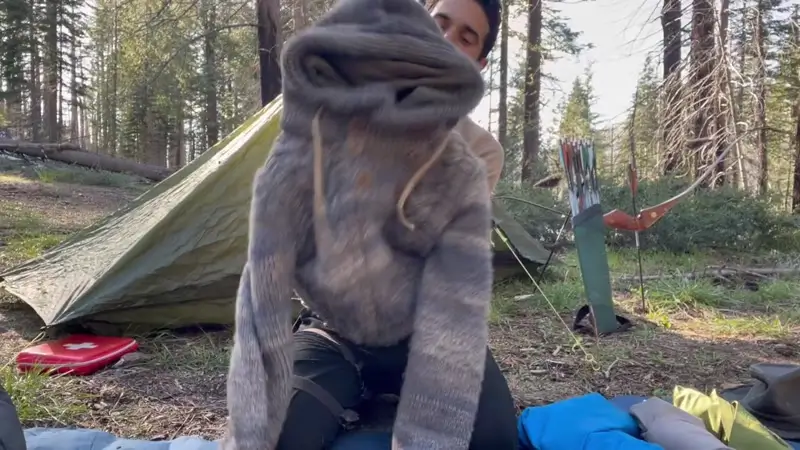
You have options here. You can bring a camping hammock, a standard tent like the one behind me, or one of those larger family tents that sleeps multiple people. If you're buying a budget-friendly tent from a sporting goods store, pay close attention to one thing: make sure it's actually waterproof, not just water-resistant. I learned this the hard way when I bought a cheap tent, set it up straight out of the box, and got completely soaked the first night it rained. Water-resistant doesn't cut it when you're trying to stay dry overnight.
Sleeping Bags and Temperature Ratings
Your sleeping bag keeps you warm at night, but not all sleeping bags are created equal. Each one has a temperature rating that tells you how cold it can get before you'll start feeling uncomfortable. For beginners, get a nice thick sleeping bag with a rating that matches the lowest temperatures you expect to encounter. There are also sleeping quilts available if you prefer a different style. Keeping people warm is one of the most important things you can do — exposure to cold is one of the biggest safety concerns when camping.
The Sleeping Pad
Here's something a lot of beginners skip: you absolutely need a sleeping pad. It's not optional. Without one, your body heat fights against the cold ground, and guess who's going to win? The Earth. A sleeping pad creates insulation between you and the ground, and it makes a huge difference in how warm and comfortable you'll be.
Inside Your Tent
A few things you'll want inside your tent with you: an extra pair of socks specifically for sleeping (they can also double as mittens in a pinch), a hat because your head loses a lot of body heat, and two types of light sources — a headlamp and a lantern. Having both gives you hands-free light for moving around and ambient light for relaxing.
Pillows
If you're car camping, just bring your pillow from home. It's fine. If you want something more packable, there are inflatable camping pillows available. Personally, I sleep straight on the ground, but that's not for everyone.
Clothing
This category covers everything you'll wear during your trip. Here's what I typically pack for a weekend trip.
The Layering System
Start with a base layer like a thermal shirt. On top of that, add a hoodie or fleece for warmth. Then finish with a waterproof outer layer. This three-layer system lets you adjust throughout the day as temperatures change. If your hoodie has a hood, that can double as a hat in a pinch.
Pants and Shorts
Bring one pair of hiking pants that you don't mind getting dirty and one pair of comfortable pants for sleeping or lounging around camp. If it's going to be warm, throw in a pair of shorts for swimming or hot afternoons.
Socks and Underwear
Bring at least two pairs of thick hiking socks. One pair for wearing during the day and one clean pair for sleeping. Underwear depends on how long you're staying, but for a weekend, one or two pairs should work.
Footwear
You need two types of shoes. First, your hiking shoes or boots for daytime activities. Second, a pair of comfortable camp shoes to wear around the site. Camp shoes should be easy to slip on and off and comfortable for walking short distances. They also keep you from tracking dirt and mud into your tent.
Outerwear
A waterproof jacket is non-negotiable. When you're shopping for one, buy waterproof, not water-resistant. There's a big difference, and water-resistant gear will let you down when you need it most. You can find affordable waterproof jackets at outdoor stores and discount retailers.
Cooking and Water
This category covers how you'll eat and drink during your trip.
Water Storage and Filtration
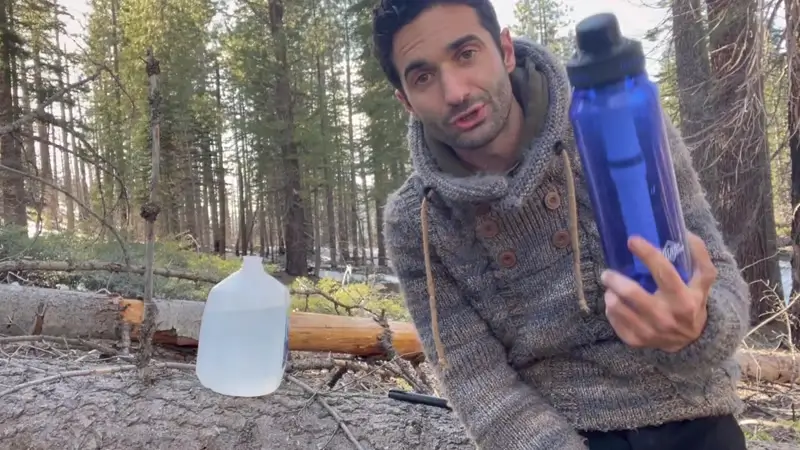
For a single overnight trip, plan on bringing about one gallon of water per person. That covers both drinking and cooking. But you'll need to learn your own habits to know exactly how much to bring.
If you want to cut down on how much water you carry, consider a filter bottle. These let you fill up from rivers, streams, or lakes and drink safely through the filter. Just remember that the water inside the bottle itself is still contaminated — you can only drink it by sucking through the filter straw. There are also small pen-sized purifiers that work great for taking sips while hiking, though they're less useful for getting large quantities of water.
Cooking Gear
For solo trips or small groups, a camp stove like a Jetboil works great. For larger groups, consider a standard camp stove that you can get at most outdoor stores. These are more practical for cooking for multiple people.
Food Philosophy
Here's where I disagree with a lot of camping advice. Some people say keep your meals simple and bland. I say go nuts. Bring potatoes, chop up vegetables, make mistakes, have fun. Pack garlic salt, hot sauce, chili powder — season your food. You're not out here to lose weight. Bring candy, bring dense carbs, bring protein bars, bring snacks you actually enjoy. If you want to bring beer, bring beer. If you want to bring Red Vine ropes, bring Red Vine ropes. Just because you're camping doesn't mean you stop being you.
One of my favorite easy meals is pre-cooked chicken apple sausage with cheese. Cut them up and you've got a nice charcuterie-style meal that's perfect for camping.
Living and Daily Essentials
This category covers all the miscellaneous items that don't fit neatly elsewhere but are still important.
The Basics
Bring a backpack of some kind for day hikes and carrying things around camp. A first aid kit is essential — make sure it actually has useful contents like bandages, antibiotic cream, cortisone cream, athletic tape, and gauze. Don't just buy the cheapest kit and assume it's good to go. Check what's inside and supplement as needed.
Communication
Walkie-talkies are incredibly useful because there's usually no cell service at campsites. They let you stay in touch with your group when you split up to explore or gather firewood.
Tools
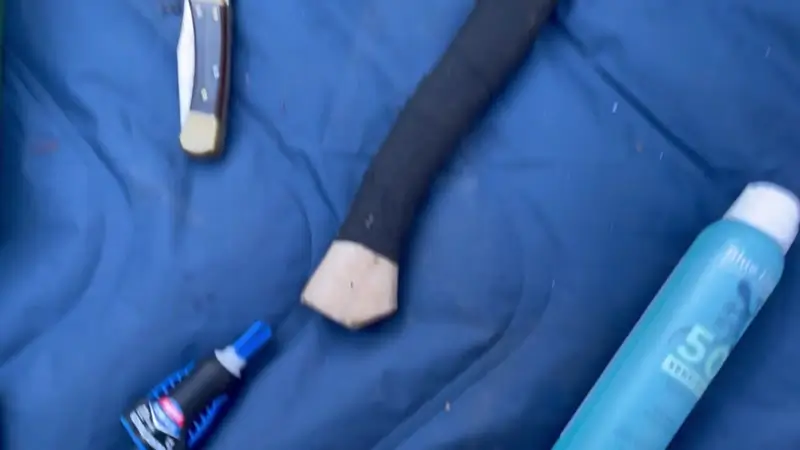
A knife is useful for general tasks, whittling, and food prep. Bring at least one good knife. Super glue is surprisingly useful — something will break or tear, and super glue can fix it in a pinch. Bring extra cordage or rope — at least 20 feet, but more is better. You'll use it for clotheslines, tying things down, or any number of unexpected situations.
Health and Comfort
Chapstick is absolutely essential. I once went 17 days in the backcountry without it, and my lips were basically scabs by the end. Bring more than you think you need. Sunscreen is important too — look for reef-friendly options that are better for the environment. Bring at least two or three lighters because they're small, light, and easy to lose.
Entertainment
Bring a book or journal to write in. Bring instruments if you play them. Bring games or toys — throwing knives, frisbees, whatever makes you happy. Your job as the trip organizer is to facilitate adventure and fun. Don't forget to bring fun stuff just because you're focused on the practical gear.
Adventure Extras
This final category is the cherries on top — the extra stuff that makes camping worth doing.
Electronics
If you want to bring a phone charger and battery pack, go for it. A Bluetooth speaker is fine, but please be considerate with the volume. Part of why we go camping is to hear the birds singing and the stream flowing. Keep your music low enough that you can still hear nature.
Toys and Activities
Bring things that let you play outside. A throwing knife, a frisbee, a fishing rod, a sketchbook — whatever gets you excited to be outdoors. The point is to facilitate adventure.
Firewood and Fire Safety
If you know how to build a safe campfire and it's allowed where you're camping, go for it. But be responsible. Check fire restrictions in your area, especially during dry seasons. A hatchet can be useful for processing firewood, but it's not essential for everyone.
Frequently Asked Questions
Q: Do I really need a sleeping pad, or can I just use an air mattress?
An air mattress will keep you off the ground, but it doesn't provide much insulation. A sleeping pad is designed to insulate you from the cold ground. If you're camping in warm weather, an air mattress with a blanket underneath might work. For cold weather, a proper sleeping pad makes a huge difference.
Q: How much water should I bring for a weekend trip?
Start with one gallon per person per day. That covers drinking, cooking, and basic hygiene. If you have a water filter, you can carry less and refill from natural sources. Pay attention to how much you actually drink so you can adjust for future trips.
Q: What's the most common mistake beginners make when packing for camping?
The biggest mistake is not checking whether your gear is actually waterproof. Many budget tents and jackets are only water-resistant, not waterproof. Getting soaked on your first night can ruin the whole trip. Always test your gear before you go, or at least read the specifications carefully.
Q: Should I bring my own pillow from home?
If you're car camping and have the space, absolutely bring your home pillow. It's comfortable and familiar. If you're backpacking, look for an inflatable camping pillow that packs down small. Some people use a stuff sack filled with clothes as a pillow, which works in a pinch.
Q: How do I make camping enjoyable for people who've never done it before?
Focus on comfort first. Let them bring their favorite blanket or pillow. Make sure they have warm enough sleeping bags and pads. Cook good food — don't settle for bland meals. And most importantly, keep the atmosphere fun and relaxed. If their first experience is positive, they'll want to come again. This article analyzes the YouTube video "Camping Packing List for Beginners" by Out There Anthony. Last accessed: May 26, 2026. All rights to the video content belong to the original creator.