So you're thinking about deer hunting. Maybe you've got a friend who's been inviting you for years, or you've finally decided to try filling your own freezer. But then you start looking into it, and suddenly there's a mountain of rules: licenses, tags, bag limits, seasons, weapon restrictions, and something called hunter orange. It can feel overwhelming fast.
Here's the good news: hunting regulations aren't meant to confuse you. They exist to keep you safe, protect wildlife populations, and make sure everyone gets a fair chance. And once you understand the basics, the rest falls into place. Here are the most common deer hunting rules you'll encounter, no matter where you hunt, and how to find the specifics for your state.
Complete a Hunter Safety Course
Many states require a hunter education and safety course before you can buy a hunting license. This is often the very first step for new hunters.
These courses cover firearm safety, hunting ethics, wildlife conservation, and local regulations. You can usually take them online or in person. After you pass, you'll receive a hunter education card. Keep that card handy — you'll need the number when you apply for your license.
Check your state wildlife agency's website to find available courses near you. Even if your state doesn't require a course, taking one is still a smart move. It gives you a solid foundation and helps you feel more confident before you head into the field.
Get the Right License and Tags
The most basic rule in deer hunting is simple: you need a valid hunting license and the correct tags or permits for the animal you're after.
To buy a license, you'll need a form of identification and, in many states, your hunter education card number. Tags are specific to the species and the number of animals you plan to harvest. Pricing depends on whether you're a resident or non-resident of the state where you're hunting.
Resident hunters usually pay less for licenses and may have access to additional permits. Non-resident hunters often face higher fees and extra requirements.
Always carry your license and tags with you while hunting. Wildlife officers may ask to see them at any time. If you harvest a deer, you'll need to attach the tag to the animal — usually around the leg or antler — or notch and date it according to your state's rules.
Understand Bag Limits and Check-In Requirements
Bag limits tell you how many deer you can take and what sex they can be. These limits vary by location, so you need to know the rules for the specific area where you'll be hunting.
After you harvest a deer, most states require you to "check in" the animal. This means notifying the wildlife agency that you took a deer. Some states want you to bring the deer to a physical check station. Others let you report online or by phone. In a few states, there's no immediate check-in, but hunters may be randomly selected to provide information after the season ends.
Know your state's check-in process before you go. Missing this step can lead to fines, even if you followed every other rule.
Know the Weapon Restrictions
Not all weapons are allowed during every deer season. States typically separate hunting seasons by weapon type:
- Archery (bows and crossbows)
- Primitive weapons (muzzleloaders)
- Modern firearms (rifles and shotguns)
The size of the hunting area and its proximity to homes or roads often determines which weapons are allowed. In more populated areas, you may be restricted to archery or primitive weapons for safety reasons.
Check the season dates for each weapon type in your state. You can't use a rifle during archery season, and vice versa.
Follow Safety and Time-of-Day Rules
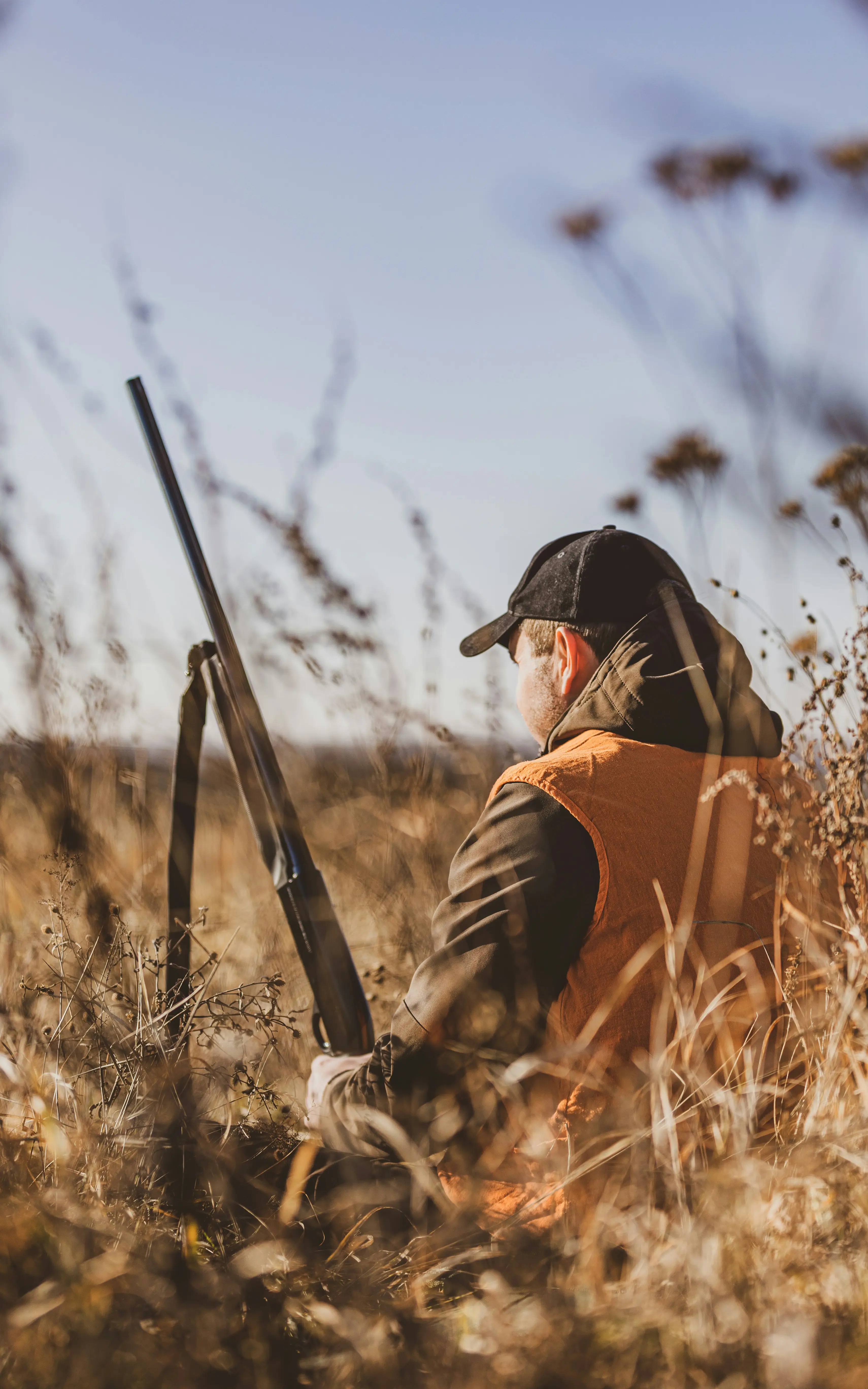
Safety regulations are non-negotiable in deer hunting. The most common one is the requirement to wear fluorescent orange (often called hunter orange) during firearm seasons. This makes you visible to other hunters and helps prevent accidents.
You're also restricted to hunting during legal daylight hours. Some states allow hunting from 30 minutes before sunrise to 30 minutes after sunset. Others restrict it strictly from sunrise to sunset. Because day length changes throughout the season, legal hunting hours change too. Check the daily times for your area before you head out.
Learn the Rules for Transporting Deer
In recent years, many states have added rules about moving deer and deer parts across certain boundaries. This is done to slow the spread of wildlife diseases like chronic wasting disease (CWD).
Depending on where you hunt, you may need to debone or quarter your deer before transporting it out of the area. High-risk parts like the brain, eyes, and spleen often cannot be moved at all. The meat itself is usually fine to take home, but you need to remove the parts that could carry disease.
Study these rules well before your hunt. If you show up at a check station with an intact deer from a restricted area, you could lose the meat and face penalties.
Make Ethical Decisions Beyond the Law
Knowing the law is one thing. Knowing what's right is another. The rules tell you what you're allowed to do, but ethics guide you in making good choices when no one is watching.
For example, the law might allow you to take a shot at a deer that's too far away or poorly positioned. But an ethical hunter waits for a clean, humane shot. Similarly, you might be legally allowed to harvest a young buck, but you may choose to pass and let it mature.
The late Aldo Leopold, a key figure in wildlife management, once said: "Ethical behavior is doing the right thing when no one else is watching, even when doing the wrong thing is legal." That's a good principle to carry with you every time you go hunting.
Where to Find Your State's Specific Rules
Every state has its own wildlife agency that publishes hunting regulations each year. These are available in print at outdoor retailers and online on the agency's website.
Important: Game laws can change from year to year. Don't rely solely on what a friend or family member tells you. Always look up the current rules yourself. It's your responsibility to know them, and wildlife officers expect you to.
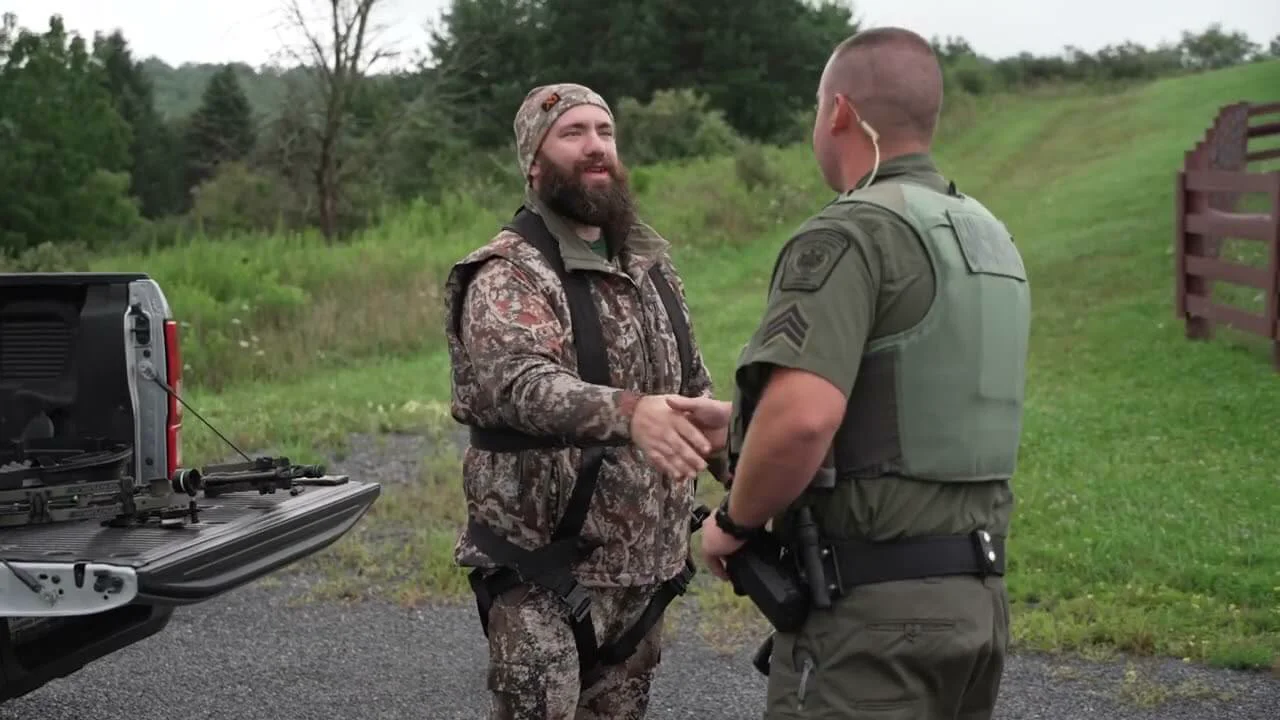
If you run into a confusing rule, wildlife conservation officers (historically called game wardens) are the best people to ask. They enforce the laws and can help clarify anything that's unclear.