So you're thinking about wild camping in the UK. Maybe you've seen the stunning photos of tents pitched on misty moors, or you've watched videos of people cooking dinner under the stars, and you're wondering where to start. Or perhaps you've already been out once or twice and found yourself carrying a ridiculously heavy backpack, freezing through the night, or lying awake wondering if you're even allowed to be there.
These are the real questions that come up again and again: Is wild camping dangerous? Is it legal? What kind of shelter should I use? What do I actually need to take? Do I have to spend a fortune? And yes, how do you handle going to the toilet when there's no bathroom for miles?
Wild camping has become increasingly popular across the UK in recent years, which is fantastic for everyone who loves the outdoors. But with more people heading out, it's more important than ever to know what you're doing. This guide covers ten essential tips that will help you stay comfortable, safe, and responsible while enjoying everything wild camping has to offer. Whether you're a complete beginner or have some experience under your belt, there's something here for you.
Choose the Right Shelter for You
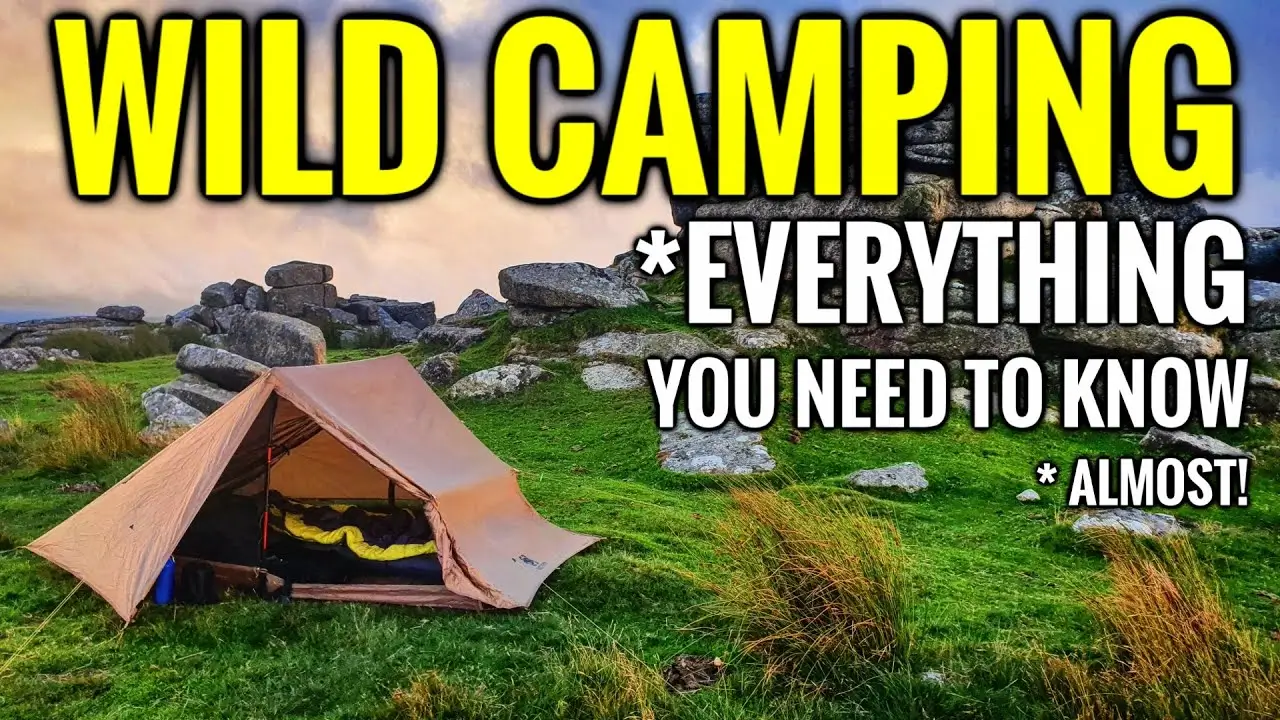
When people think of wild camping, they usually picture a tent. And while tents are the most common choice, they're far from the only option. The key is to choose a shelter that actually suits your style of camping.
Tents are popular for good reason. They keep the wind, rain, and any curious insects out of your sleeping area, giving you a secure space to rest. But there are other options worth considering. Tarp and bivvy camping is a more adventurous approach that can be significantly lighter than carrying a tent. This gives you more freedom to move quickly and is ideal if you like to travel light. Hammock camping is another fun alternative, though it does come with some limitations. You'll end up carrying extra gear, and you're tied to locations with suitable trees. That's no good if you're heading out onto open moorland like Dartmoor, where trees are few and far between.
If you do go with a tent, you don't need to spend a fortune. You can find tents ranging from around fifty pounds to well over a thousand, but for most UK camping, budget tents hold up surprisingly well in adverse weather. Sometimes the pricier options are just as likely to have issues. What matters more is choosing the right tent for your needs.
Think about how many people will be using it. If you're camping alone, a one or two-person tent works well. Keep in mind that two people rarely fit comfortably inside a two-person tent along with all their gear. Many solo campers prefer a two-person tent for the extra space to spread out their kit. If you're sharing with a partner, a three-person tent might be a better fit, ideally with a door on each side.
Here's an important point: don't take a large family tent out into national parks. That's what campsites are for. With wild camping, discretion is everything. You also need to consider how far you'll be carrying your tent. Lightweight options between one and two kilograms are ideal if you're doing a lot of walking, though you might opt for something slightly heavier if you're expecting harsh conditions. Some tents use hiking poles for support, which can be lighter still, but they can also be a bit fiddly to set up.
Think about what kind of weather you'll be camping in. If you're only going out in fair conditions, you don't need a four-season tent. But if you plan to camp in all kinds of weather, look for a tent where the flysheet goes up first, or better yet, one where the inner and flysheet attach together. This greatly reduces the chance of getting the inside of your tent wet when setting up in the rain.
Geodesic dome tents are excellent in strong winds, as are tunnel tents. Dome tents offer more room and a rigid, robust design, while tunnel tents sit lower to the ground and can take quite a battering. Tunnel tents also have a smaller footprint, giving you more options for where to pitch, though they can feel cramped inside.
One last thing: practice pitching your tent before you head out. Set it up in your garden or a local park. The last thing you want is to be struggling in the dark when things don't go to plan.
Pack Only What You Need
It's incredibly easy to overpack your backpack. The extra weight isn't just a nuisance; it can become painful and even dangerous. When you're starting out, it's natural to overthink and pack all sorts of things you don't end up using. Many beginners find themselves carrying over eighteen kilograms, feeling sore and exhausted by the end of the day. After that first trip, it becomes clear that watching what you carry is essential.
A good rule of thumb is to assess what you actually used after each trip. Most of the excess weight tends to be extra food and clothes you never touched. Another trick is to downsize your backpack. If you take a 65-litre backpack, you'll fill a 65-litre backpack. Take a smaller pack, and you'll be forced to consider every item carefully, only bringing what you truly can't do without.
Many experienced campers now fit their winter gear into a 35 to 45-litre backpack, which is a huge improvement. Once you've been out a few times, you'll quickly learn where you can save those extra kilos. Some people become obsessed with cutting weight, but you need to weigh that against your own comfort. The question is always: are you willing to sacrifice comfort to save weight?
So what should you pack? You'll need a decent sleeping system, a cook set, a mug, a spork, a torch and headlamp, spare clothes, waterproofs, toiletries and a trowel, navigational aids, a power bank, a first aid kit, and insect repellent. Food and drink are obviously important, and you can plan your meals strategically based on how long you'll be out.
Know the Wild Camping Laws
Wild camping is technically not legal in most of the UK, though there are exceptions. In some places it's explicitly allowed, and in others it's tolerated as long as you follow the rules and practice leave no trace.
On Dartmoor National Park, you are within your rights to wild camp on common land and in areas highlighted on the Dartmoor camping map. There are also specific bylaws you should follow. In Scotland, wild camping is legal pretty much anywhere as long as you abide by the Scottish Outdoor Access Code, which provides guidelines on camping responsibly. However, camping is prohibited in Loch Lomond and the Trossachs National Park due to overuse.
In the Lake District, wild camping is tolerated even though it's not strictly legal. There are bylaws in place, such as camping on open land above the highest fell wall. Other national parks don't have bylaws that allow wild camping, but they do tolerate responsible camping if you follow similar guidelines.
Before you go out, it's essential to research the rules for the specific area you want to visit and seek permission wherever required.
Get Yourself a Decent Sleeping System
You can spend as much or as little as you like on most camping gear, but your sleeping system is one area where it pays to get it right from the start. You want to be comfortable during the night, but more importantly, you need to stay warm.
Many beginners end up with sleeping pads and bags that are either too light and inefficient or too heavy and cumbersome. Some try sleeping bags with liners, only to find themselves still cold and tangled up when the liner shifts independently during the night. Others carry two sleeping pads for extra insulation, which adds unnecessary weight and creates a wrestling match every time they turn over.
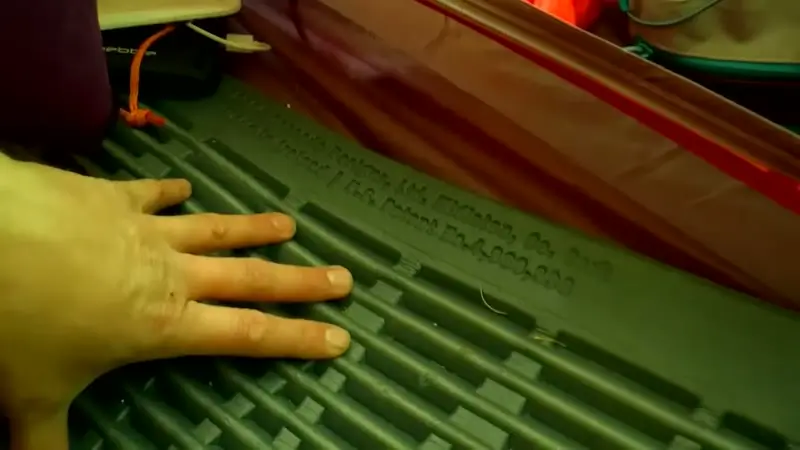
Self-inflating mats are more comfortable but tend to be bulky. The best advice is to spend a little more on your sleeping system, especially if you're considering winter camping. A good down sleeping bag with a comfort rating well below freezing can make all the difference. It's warm, comfortable, and packs down small. A quality sleeping pad that packs down to about the size of a tin can offers incredible comfort and insulation for its size.
Yes, these items can be pricey compared to budget options. But if you add up the cost of all the cheaper pads and bags you might try before finally getting it right, you'd probably save money by investing in quality from the beginning.
Choosing Your Wild Camping Location
Ideally, you'd scout out your camping spot before heading out. Many people recommend this, but it's rarely possible. If you're heading into the mountains or onto the moor for a multi-day hike, chances are you're going to an area you haven't seen before. And if you have seen a great spot on a previous visit, someone else has probably already set up there.
Before you go, look over your map and identify potential camping spots along your route. You can generally tell from the terrain and contour lines what the land will be like. But don't be afraid to improvise once you're on location.
When you're ready to set up, look for somewhere level and dry. You may want to be relatively close to a water source so you can fill your bottles, but not so close that you risk getting washed away by flash floods. If you know the direction of the wind, look for natural features that can shelter you from the worst of it. Also be aware of signs that cattle congregate in the area. Sleeping among bullocks or ponies can be an unnerving experience, even if nothing actually comes of it.
Be Safe
Your safety is an important aspect of camping, and there are several ways to prepare. Have an idea of your route before you set out, along with possible camping locations along the way. Let someone else know your plans so that if something goes wrong, rescue services can be directed to the right area.
Research the terrain and typical conditions for the specific dates you'll be visiting. Some places are much more inhospitable during wet seasons, and some locations like Dartmoor have areas used by the military. Check firing times, and if you're in any military zones, leave any shrapnel you find where it is.
If you're going out alone, make sure your phone has some battery left for emergencies. If you don't have a power bank and your battery is running low, switch it off and save it. Know who to contact in an emergency. Dial 999 and request mountain rescue in your area. Don't take unnecessary risks.
Carry a map and compass, and if possible, a GPS navigation app to help you find your way. There's also an app called What3Words that translates your location into three words you can relay to emergency services. However, this is still relatively new, and some suggest that variations in spelling could potentially hinder rescue efforts.
Keep a Close Eye on the Weather
The weather in the UK is always temperamental, and it's never more unpredictable than in the hills and mountains. You're higher up, more exposed, and the weather can change and catch you out without much notice. Conditions are also more extreme up there: stronger winds, heavier rain or snow, lower temperatures, and a greater risk of lightning strikes.
It's essential to keep an eye on the weather leading up to and during your camping trip. Don't be afraid to change your plans if necessary, or even postpone your trip if the weather looks too bad or unpredictable. Mountain rescue teams shouldn't have to risk their lives because a situation could have been avoided.
Of course, you might still get caught out. You may have checked before you left, and the forecast was fine, but once you're out, weather warnings are issued. It happens all the time. Keep checking whenever you can and adjust your plans accordingly.
Be Considerate to Others and Your Environment
There's a certain etiquette to wild camping, and that's what separates responsible campers from those who create mess and chaos. If you do it properly and responsibly, you help maintain the reputation of wild camping for everyone.
Arrive late and leave early. Don't camp for more than one night, and preferably use small tents in small groups. National parks are not campsites, and they should never be treated as such. Discretion is key. If you're sharing an area with other wild campers, camp away from them and be as quiet as possible so you don't ruin their experience.
Most of this is just common decency, like the leave no trace rule. Unfortunately, many people have witnessed the aftermath of those who show complete disregard for these beautiful spots: litter, discarded tents, fire pits dug into the ground, branches torn from trees.
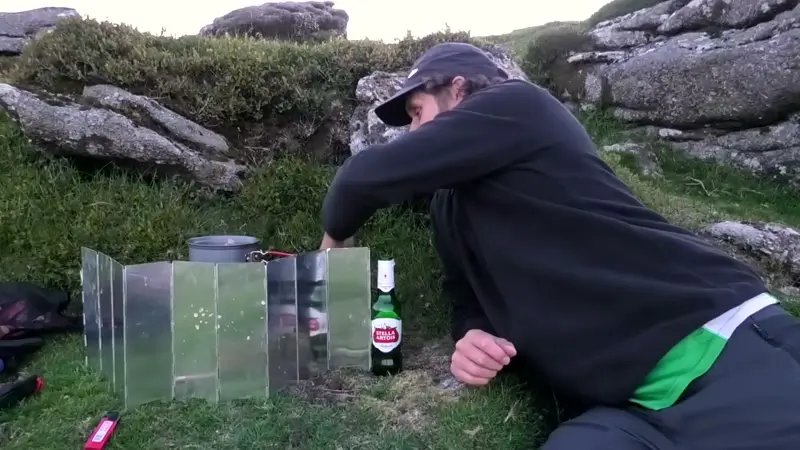
As much as many people enjoy a campfire, most places enforce a no open fire policy. This is especially important during prolonged dry spells and in woodlands and forests. Even on Dartmoor, which is very peaty, a widespread fire took hold during a wet February a few years ago. Use a camping stove to cook your meals instead.
Packing Food and Water
Many beginners pack so much food that it adds several kilograms to their pack weight. If you want to limit weight, you need to keep track of your meals and snacks. Know how long you'll be out and how many meals you'll need, including breakfast, lunch, dinner, and possibly supper.
Food doesn't need to be heavy. Dehydrated meals are extremely light with high calorific value, and they don't use as much gas as boil-in-the-bag meals. They can be expensive, but many brands now offer tasty options, and there's nothing better than a hot meal on a cold hill. You can also prepare your own meals in foil pouches that you heat through on your stove, or get a dehydrator and make your own dehydrated meals as a cheaper alternative.
Shop-bought noodles and packet rice are great options to pack, though the energy they provide may not be sufficient for trips involving considerable distances. For some people, cooking elaborate meals on a camping stove is part of the fun, and if you're willing to compromise on weight for the ingredients, that's fine. There's no right or wrong.
Snacks are a great addition. A fruit and nut mix is light and provides plenty of energy for walking. Adding chocolate raisins gives it a little extra sweetness. Flapjacks or oat bars are excellent for slow-release energy to sustain your efforts while walking. For more protein, biltong and jerky are light, full of energy, and tasty.
For hot drinks, sachet coffees work well, especially the three-in-one varieties you just add water to. Coffee bags are another lightweight option that tastes closer to the real thing without needing a percolator.
For most meals and drinks, you'll need plenty of water. A litre of water weighs a kilogram, so most campers carry some form of water filtration system. Filtering water is essential, and it's best to know how to do it properly and safely. Always fill your bottles from running water, unless it's a larger body of water like a lake or tarn. Avoid puddles and holes. When collecting water, try to get as close to the source as possible. If you can't, at least check upstream for a considerable distance to make sure there are no dead animals or other sources of contamination. If you're wary of filtering water, carry some purification tablets to add to filtered water, or keep a bottle of fresh water for drinking and use filtered water for boiling.
How to Toilet in the Wild
Going to the toilet on the hill is something that often gets overlooked, but it's one of the most important points. We all need to go, but we can't just drop our guts anywhere.
Find a secluded spot away from footpaths and busy areas. Make sure you're a good distance away from any water sources so you don't contaminate them. With a small trowel, cut a small deep trench, lifting the turf out in one piece. About 15 centimetres deep is ideal. Once you've done your business into the trench, add any toilet paper you've used, and replace the turf.
Some people argue that toilet paper should be removed from the site and suggest taking ziplock bags to stash it. That's entirely up to you, and it's certainly a good idea for wet wipes or any sanitary products. But tissue paper is thin and biodegradable, and if buried properly, it will soon disintegrate. Another suggestion is to burn the paper before filling in the hole, though this does go against the open fire policies that many parks have.