Also known as: Snowshoe rabbit, Varying hare
The snowshoe hare (Lepus americanus), also called the varying hare or snowshoe rabbit, is a species of hare found in North America. It has the name "snowshoe" because of the large size of its hind feet. The animal's feet prevent it from sinking into the snow when it hops and walks. Its feet also have fur on the soles to protect it from freezing temperatures. For camouflage, its fur turns white during the winter and rusty brown during the summer. Its flanks are white year-round. The snowshoe hare is also distinguishable by the black tufts of fur on the edge of its ears. Its ears are shorter than those of most other hares. In summer, it feeds on plants, such as grass, ferns, and leaves; in winter, it eats twigs, the bark from trees, and plants and, similar to the Arctic hare, has been known to occasionally eat dead animals. It can sometimes be seen feeding in small groups. This animal is mainly active at night and does not hibernate. The snowshoe hare may have up to four litters in a year, which average three to eight young. Males compete for females, and females may breed with several males. A major predator of the snowshoe hare is the Canada lynx. Historical records of animals caught by fur hunters over decades show the lynx and hare numbers rising and falling in a cycle, which has made the hare known to biology students worldwide as a case study of the relationship between numbers of predators and their prey.
Habitat & Range
Snowshoe hares are primarily found in areas with dense plant coverage such as boreal forests, upper montane forests and wetlands, though are occasionally seen in more open areas like agricultural land. In Utah, snowshoe hares used Gambel oak (Quercus gambelli) in the northern portion of the Gambel oak range. In the Southwest, the southernmost populations of snowshoe hares occur in the Sangre de Cristo Mountains, New Mexico, in subalpine scrub: narrow bands of shrubby and prostrate conifers at and just below timberline that are usually composed of Engelmann spruce, bristlecone pine, limber pine, and juniper. In Minnesota, snowshoe hares are found in uplands and wetlands. In New England, snowshoe hares favor second-growth forests. Major variables in habitat quality include average visual obstruction and browse biomass. Snowshoe hares prefer young forests with abundant understories. The presence of cover is the primary determinant of habitat quality, and is more significant than food availability or species composition. Species composition does, however, influence population density; dense softwood understories support greater snowshoe hare density than hardwoods because of cover quality. In Maine, female snowshoe hares were observed to be more common on sites with less cover but more nutritious forage; males tended to be found on sites with heavier cover. Winter browse availability depends on height of understory brush and winter snow depth; 6-to-8-foot-tall (1.8 to 2.4 m) saplings with narrow stem diameters are required for winter browse in heavy snow. In northern regions, snowshoe hares occupy conifer and mixed forests in all stages of succession, but early successional forests foster peak abundance. Deciduous forests are usually occupied only in early stages of succession. In New England, snowshoe hares preferred second-growth deciduous, coniferous, and mixed woods with dense brushy understories; they appear to prefer shrubby old-field areas, early- to mid-successi
Life History
Snowshoe hares are active year-round. The breeding season for hares is stimulated by new vegetation and varies with latitude, location, and yearly events (such as weather conditions and phase of snowshoe hare population cycle). Breeding generally begins in late December to January and lasts until July or August . In northwestern Oregon, male peak breeding activity (as determined by testes weight) occurs in May and is at the minimum in November. In Ontario, the peak is in May and in Newfoundland, the peak is in June. Female estrus begins in March in Newfoundland, Alberta, and Maine, and in early April in Michigan and Colorado. First litters of the year are born from mid-April to May. The gestation period is 35 to 40 days; most studies report 37 days as the average length of gestation. Litters average three to five leverets depending on latitude, elevation, and phase of population cycle, ranging from one to seven. Deep snow-pack increases the amount of upper-branch browse available to snowshoe hares in winter, and therefore has a positive relationship with the nutritional status of breeding adults. Litters are usually smaller in the southern sections of their range since there is less snow. Newborns are fully furred, open-eyed, and mobile. They leave the natal form within a short time after birth, often within 24 hours. After leaving the birthplace, siblings stay near each other during the day, gathering once each evening to nurse. Weaning occurs at 25 to 28 days except for the last litter of the season, which may nurse for two months or longer. Female snowshoe hares can become pregnant anytime after the 35th day of gestation. The second litter can therefore be conceived before the first litter is born (snowshoe hares have twin uteri). Pregnancy rates ranged from 78 to 100% for females during the period of first litter production, 82 to 100% for second litters, and for the periods of third and fourth litters pregnancy rates vary with population cycle. In Newfoundland, the average number of litters per female per year ranged from 2.9 to 3.5, and in Alberta the range was from 2.7 to 3.3. The number of litters per year varies with phase of population cycle (see below). In Alberta the average number of litters per year was almost 3 just after a population peak and 4 just after the population low. Females normally first breed as 1-year-olds. Juvenile breeding is rare and has only been observed in females from the first litter of the year and only in years immediately following a low point in the population cycle. In Yukon, 30-day survival of radio-tagged leverets was 46%, 15%, and 43% for the first, second, and third litters of the year, respectively. There were no differences in mortality in plots with food added. The main proximate cause of mortality was predation by small mammals, including red squirrels (Tamiasciurus hudsonicus) and Arctic ground squirrels (Spermophilus parryii). Littermates tended to live or die together more often than by chance.
Status, Trends & Threats
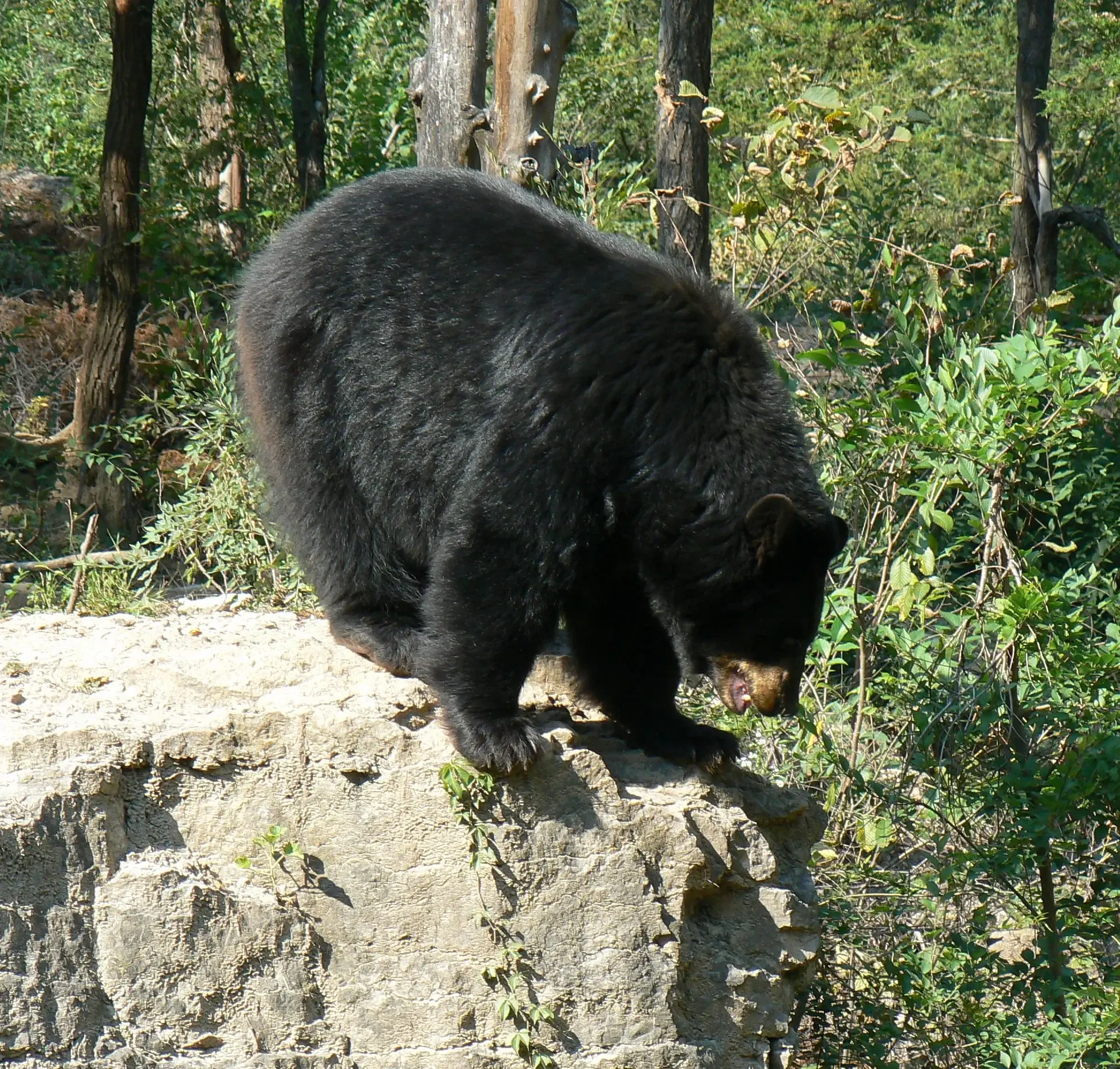
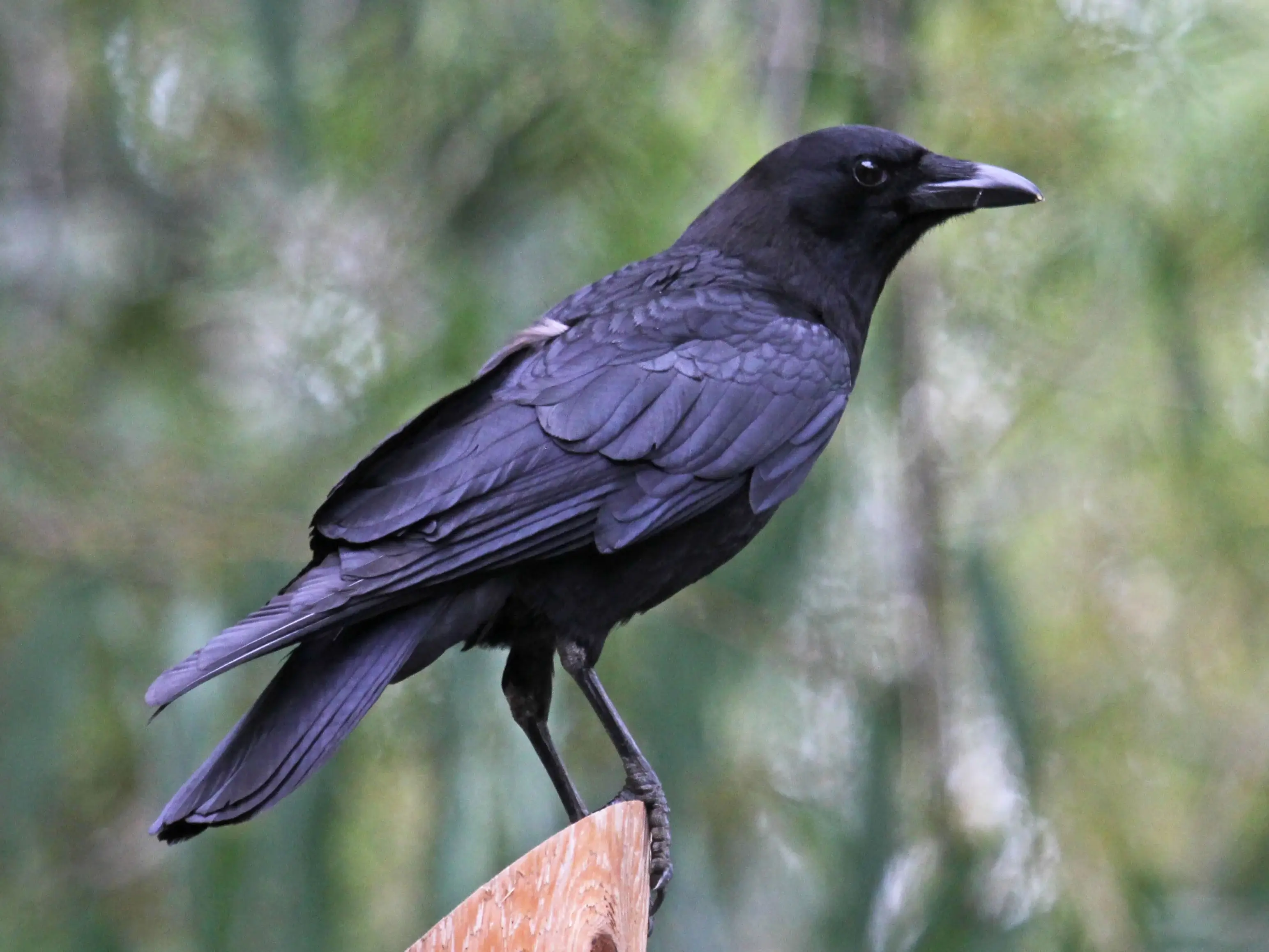
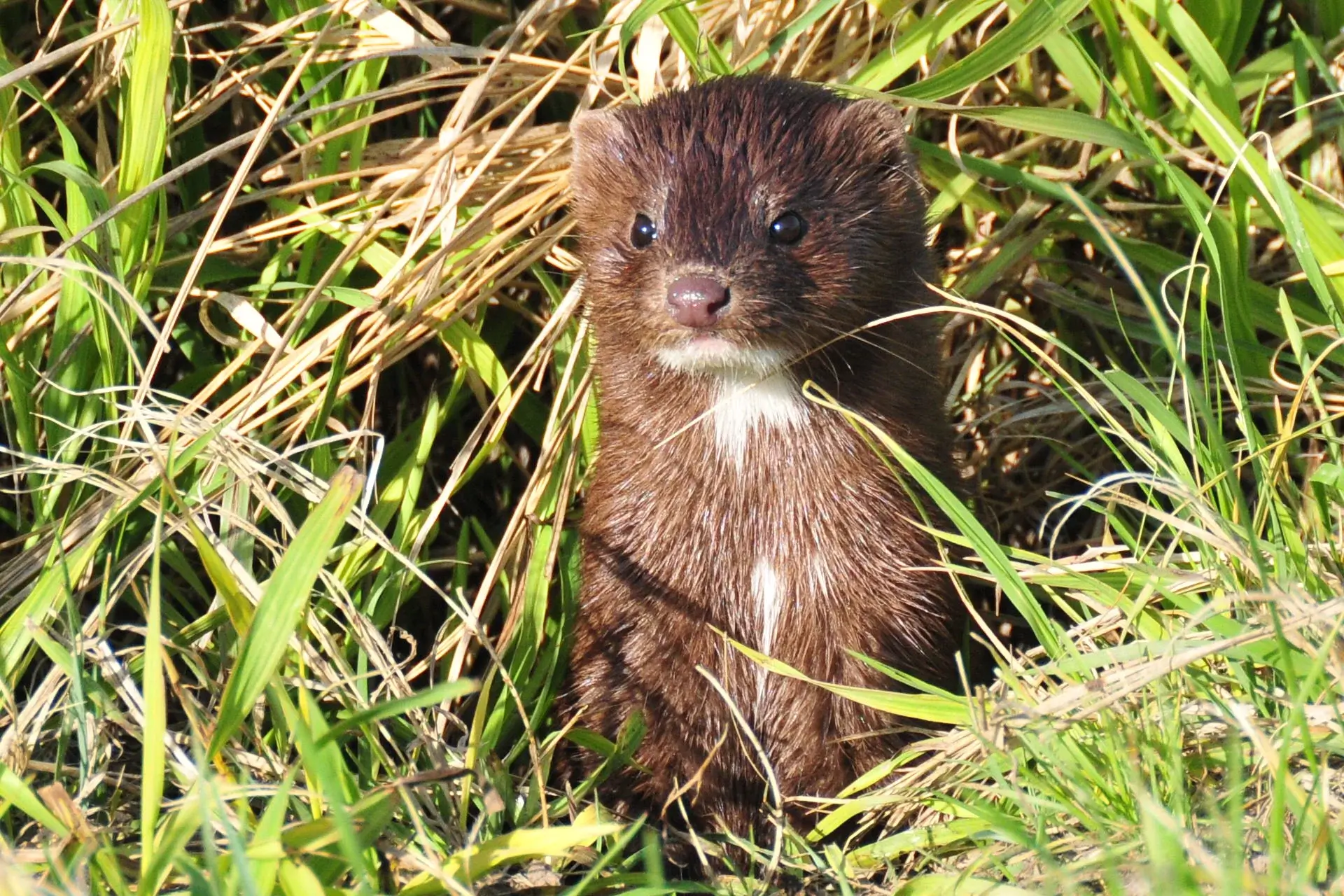
The snowshoe hare is a major prey item for a number of predators. Its foremost predator is the Canada lynx (Lynx canadensis), but other predators include bobcats (L. rufus), fishers (Pekania pennanti), American martens (Martes americana), Pacific martens, (M. caurina), long-tailed weasels (Neogale frenata), minks (N. vison), foxes (Vulpes and Urocyon spp.), coyote (Canis latrans), domestic dogs (C. familiaris), domestic cats (Felis catus), wolves (Canis lupus), cougars (Puma concolor), great horned owls (Bubo virginianus), barred owls (Strix varia), spotted owls (S. occidentalis), other owls, red-tailed hawks (Buteo jamaicensis), northern goshawks (Accipiter gentilis), other hawks (Buteonidae), golden eagles (Aquila chryseatos), as well as corvids. Other predators include black bears (Ursus americanus). In Glacier National Park, snowshoe hares are a prey item of Rocky Mountain wolves (Canis lupus irremotus).
Hunting Season
Dec 26 - Dec 31 (statewide).
License & Regulations
A valid Pennsylvania hunting license is required for all resident and non-resident hunters age 16 and older. Hunters under 16 may hunt while accompanied by a licensed adult or with a mentored youth permit. Licenses can be purchased online through the Pennsylvania Game Commission website (HuntFishPA) or at authorized issuing agents. Additional stamps may be required: furtaker license for trapping, federal Migratory Bird Hunting and Conservation Stamp (Duck Stamp) for waterfowl, HIP registration for migratory birds, and special permits for elk, bobcat, fisher, and river otter. All hunters born after June 1, 1965 must successfully complete a hunter-trapper education course before purchasing a license.
Frequently Asked Questions
Regulations for hunting Snowshoe Hare in Pennsylvania
Snowshoe hare season is limited to one week in late December. Daily bag limit is 1 hare with a 3-hare season limit. Snowshoe hares are found primarily in the mountainous regions of northern and central Pennsylvania. Their white winter coat provides excellent camouflage in snowy conditions.
When is Snowshoe Hare hunting season in Pennsylvania?
The Snowshoe Hare hunting season in Pennsylvania: Dec 26 - Dec 31 (statewide).
What is the bag limit for Snowshoe Hare in Pennsylvania?
The bag limit for Snowshoe Hare in Pennsylvania is: 1 per day, 3 season limit.
What's another name for Snowshoe Hare?
Snowshoe Hare is also known as Snowshoe rabbit, Varying hare in Pennsylvania.
How to identify Snowshoe Hare?
The snowshoe hare (Lepus americanus), also called the varying hare or snowshoe rabbit, is a species of hare found in North America. It has the name "snowshoe" because of the large size of its hind feet. The animal's feet prevent it from sinking into the snow when it hops and walks. Its feet also have fur on the soles to protect it from freezing temperatures. For camouflage, its fur turns white during the winter and rusty brown during the summer. Its flanks are white year-round. The snowshoe hare...
References
| State | Category | Directory | Subcategory | Content | Source |
|---|---|---|---|---|---|
| Pennsylvania | Hunting | Regulations | Season Dates | Dec 26 - Dec 31 (statewide). | Link |
| Pennsylvania | Hunting | License | License & Fees | A valid Pennsylvania hunting license is required for all resident and non-resident hunters age 16 and older. Hunters und | Link |
| Pennsylvania | Hunting | Regulations | Regulations | Snowshoe hare season is limited to one week in late December. Daily bag limit is 1 hare with a 3-hare season limit. Snow | Link |