Also known as: Bay lynx, Wildcat
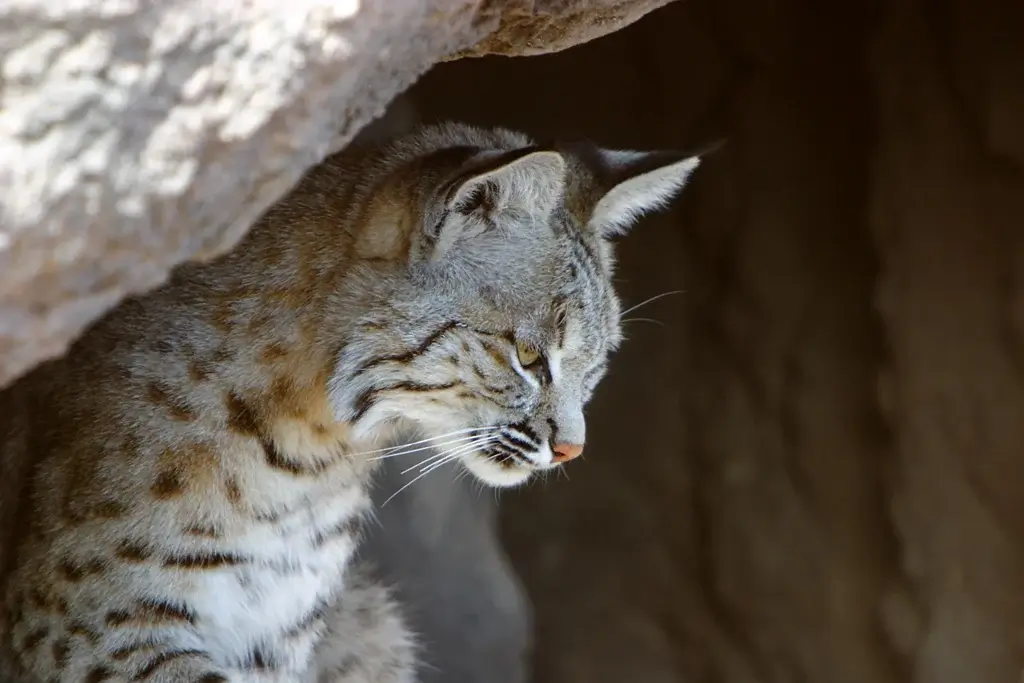
The bobcat (Lynx rufus), also known as the wildcat, bay lynx, or red lynx, is one of the four extant species within the medium-sized wild cat genus Lynx. Native to North America, it ranges from southern Canada through most of the contiguous United States to Oaxaca in Mexico. It is listed as Least Concern on the IUCN Red List since 2002, due to its wide distribution and large population. Although it has been hunted extensively both for sport and fur, populations have proven stable, though declining in some areas. It has distinctive black bars on its forelegs and a black-tipped, stubby (or "bobbed") tail, from which it derives its name. It reaches a total length (including the tail) of up to 125 cm (50 in). It is an adaptable predator inhabiting wooded areas, semidesert, urban edge, forest edge, and swampland environments. It remains in some of its original range, but populations are vulnerable to extirpation by coyotes and domestic animals. Though the bobcat prefers rabbits and hares, it hunts insects, chickens, geese and other birds, small rodents, and deer. Prey selection depends on location and habitat, season, and abundance. Like most cats, the bobcat is territorial and largely solitary, although with some overlap in home ranges. It uses several methods to mark its territorial boundaries, including claw marks and deposits of urine or feces. The bobcat breeds from winter into spring and has a gestation period of about two months. Two subspecies are recognized: one east of the Great Plains, and the other west of the Great Plains. It is featured in some stories of the indigenous peoples of North and Central America, and in the folklore of European-descended inhabitants of the Americas.
Habitat & Range
The bobcat is an adaptable species. It prefers woodlands—deciduous, coniferous, or mixed—but does not depend exclusively on the deep forest. It ranges from the humid swamps of Florida to desert lands of Texas or rugged mountain areas. It makes its home near agricultural areas, if rocky ledges, swamps, or forested tracts are present; its spotted coat serves as camouflage. The population of the bobcat depends primarily on the population of its prey; other principal factors in the selection of habitat type include protection from severe weather, availability of resting and den sites, dense cover for hunting and escape, and freedom from disturbance. The bobcat's range does not seem to be limited by human populations, but by availability of suitable habitat; only large, intensively cultivated tracts are unsuitable for the species. The animal may appear in back yards in "urban edge" environments, where human development intersects with natural habitats. If chased by a dog, it usually climbs up a tree. The historical range of the bobcat was from southern Canada, throughout the United States, and as far south as the Mexican state of Oaxaca, and it still persists across much of this area. In the 20th century, it was thought to have lost territory in the US Midwest and parts of the Northeast, including southern Minnesota, eastern South Dakota, and much of Missouri, mostly due to habitat changes from modern agricultural practices. While thought to no longer exist in western New York and Pennsylvania, multiple confirmed sightings of bobcats (including dead specimens) have been recently reported in New York's Southern Tier and in central New York, and a bobcat was captured in 2018 on a tourist boat in Downtown Pittsburgh, Pennsylvania. In addition, bobcat sightings have been confirmed in northern Indiana, and one was killed near Albion, Michigan, in 2008. In early March 2010, a bobcat was sighted (and later captured by animal control authorities) in a parking garage in downtown
Status, Trends & Threats
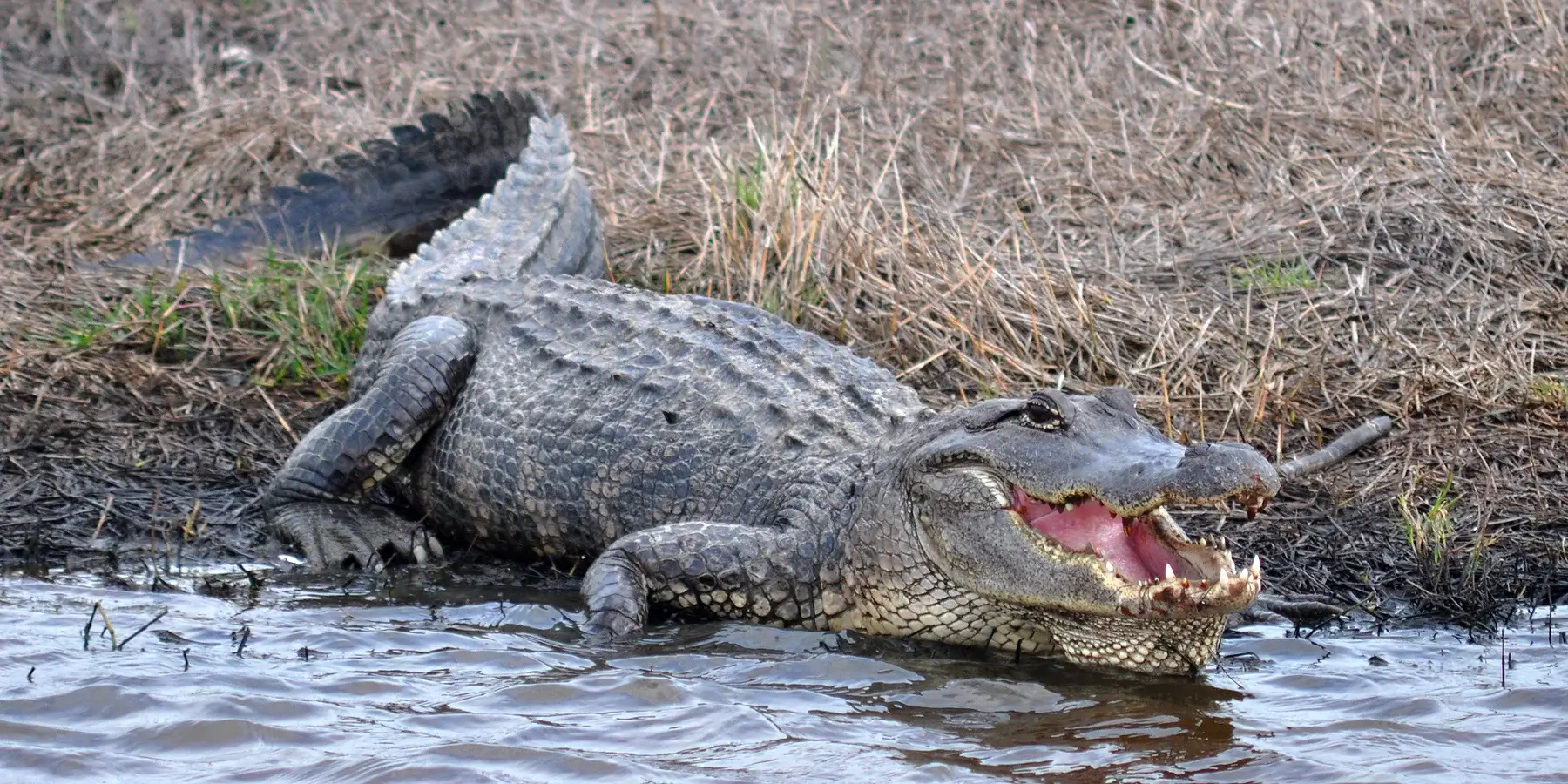
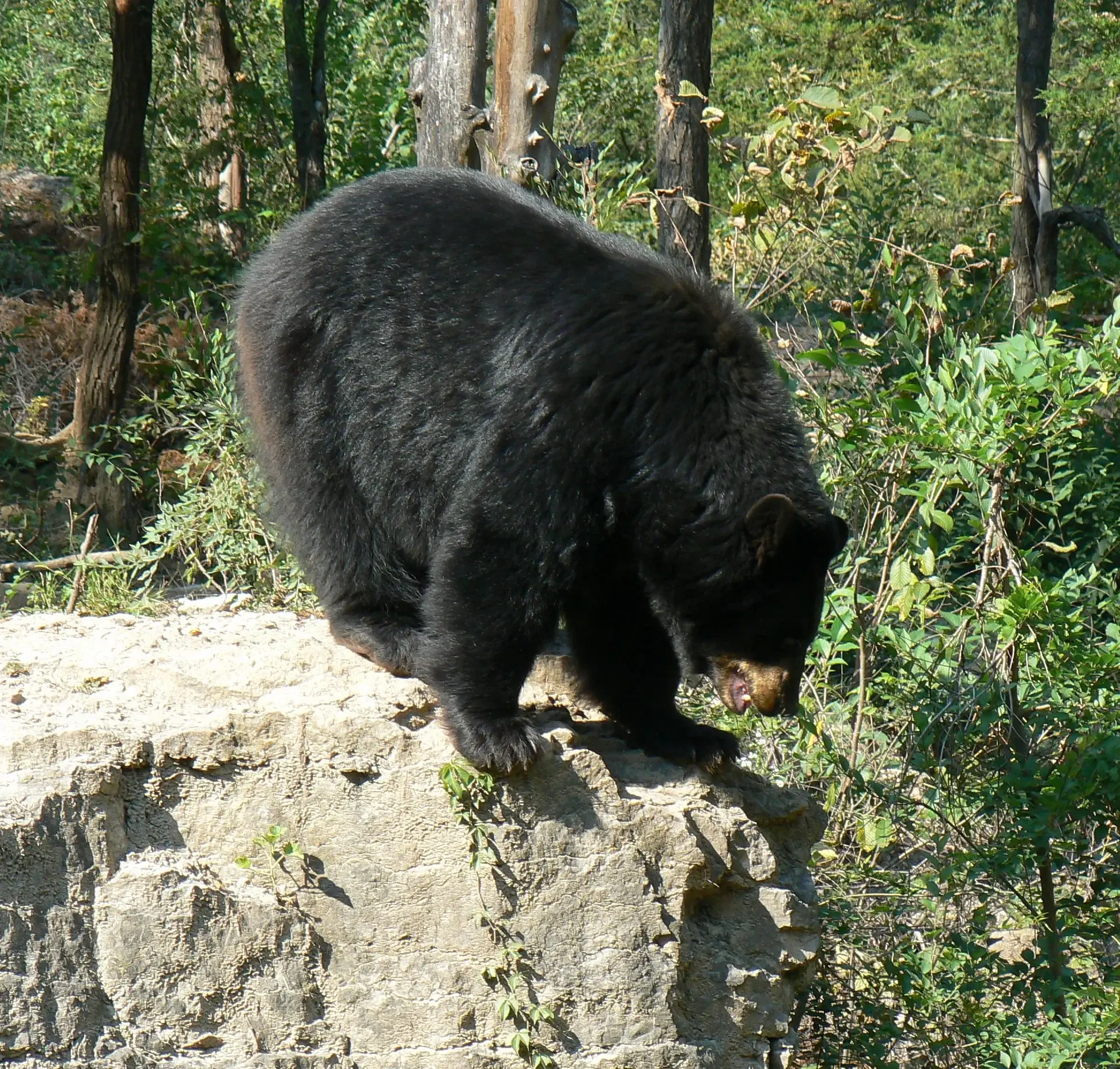
The adult bobcat has relatively few predators. Rarely, however, it may be killed in interspecific conflict by several larger predators or fall prey to them. Cougars and gray wolves can kill adult bobcats, a behavior repeatedly observed in Yellowstone National Park. Coyotes have killed adult bobcats and kittens. At least one confirmed observation of a bobcat and an American black bear (Ursus americanus) fighting over a carcass is confirmed. Like other Lynx species, bobcats probably avoid encounters with bears, in part because they are likely to lose kills to them or may rarely be attacked by them. Bobcat remains have occasionally been found in the resting sites of male fishers. American alligators (Alligator mississippensis) have been filmed opportunistically preying on adult bobcats in the southeast United States. Golden eagles (Aquila chrysaetos) have been reportedly observed preying on bobcats. Kittens may be taken by several predators, including great horned owls, eagles, foxes, and bears, and other adult male bobcats. When prey populations are not abundant, fewer kittens are likely to reach adulthood. Diseases, accidents, hunters, automobiles, and starvation are the other leading causes of death. Juveniles show high mortality shortly after leaving their mothers, while still perfecting their hunting techniques. One study of 15 bobcats showed yearly survival rates for both sexes averaged 0.62, in line with other research suggesting rates of 0.56 to 0.67. Cannibalism has been reported; kittens may be taken when prey levels are low, but this is very rare and does not much influence the population. The bobcat may have external parasites, mostly ticks and fleas, and often carries the parasites of its prey, especially those of rabbits and squirrels. Internal parasites (endoparasites) are especially common in bobcats. One study found an average infection rate of 52% from Toxoplasma gondii, but with great regional variation. One mite in particular, Lynxacarus morlani, h
Hunting Season
Private: Nov 27 - Mar 1. WMA: Nov 27 - Feb 28.
License & Regulations
A valid South Carolina hunting license is required for resident and non-resident hunters age 16 and older. Licenses can be purchased online through the Go Outdoors SC portal or at authorized license retailers. Additional permits may be required: Big Game Permit for deer, bear, and turkey; individual bear tags ($25 residents, $100 nonresidents); turkey tags ($25 residents, $125 nonresidents); antlerless deer tags; and the federal Migratory Bird Hunting and Conservation Stamp (Duck Stamp) for waterfowl. Hunters born on or after July 1, 1979 must successfully complete a hunter education course.
Frequently Asked Questions
Regulations for hunting Bobcat in South Carolina
Bobcat hunting and trapping season runs from late November through the end of February or early March. No bag limit. Bobcats are found in forested areas throughout South Carolina, with higher densities in the coastal plain and lower coastal plain regions.
When is Bobcat hunting season in South Carolina?
The Bobcat hunting season in South Carolina: Private: Nov 27 - Mar 1. WMA: Nov 27 - Feb 28.
What's another name for Bobcat?
Bobcat is also known as Bay lynx, Wildcat in South Carolina.
What is the best way to hunt bobcats in South Carolina?
Bobcats in South Carolina are most effectively hunted using predator calls that mimic distressed rabbits or other prey. They can also be taken incidentally during coyote hunting. Bobcats are primarily crepuscular and nocturnal. Trapping during the November-March season is also an effective method. Scent lures and trail cameras near bobcat sign can improve success.
How to identify Bobcat?
The bobcat (Lynx rufus), also known as the wildcat, bay lynx, or red lynx, is one of the four extant species within the medium-sized wild cat genus Lynx. Native to North America, it ranges from southern Canada through most of the contiguous United States to Oaxaca in Mexico. It is listed as Least Concern on the IUCN Red List since 2002, due to its wide distribution and large population. Although it has been hunted extensively both for sport and fur, populations have proven stable, though declini...
References
| State | Category | Directory | Subcategory | Content | Source |
|---|---|---|---|---|---|
| South Carolina | Hunting | Regulations | Season Dates | Private: Nov 27 - Mar 1. WMA: Nov 27 - Feb 28. | Link |
| South Carolina | Hunting | License | License & Fees | A valid South Carolina hunting license is required for resident and non-resident hunters age 16 and older. Licenses can | Link |
| South Carolina | Hunting | Regulations | Regulations | Bobcat hunting and trapping season runs from late November through the end of February or early March. No bag limit. Bob | Link |