Also known as: American beaver, Beaver
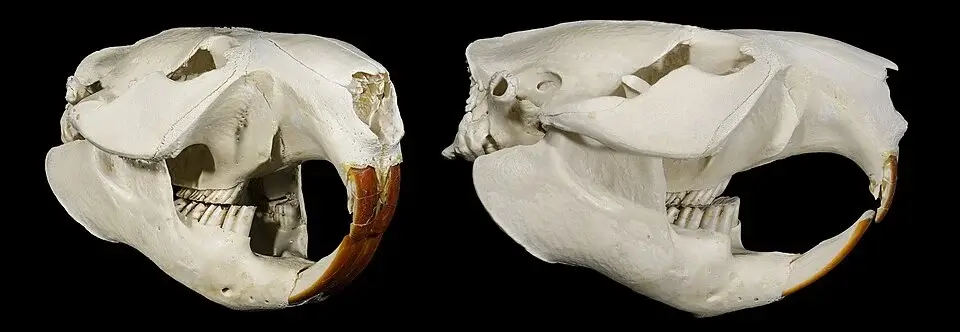
The North American beaver (Castor canadensis) is one of two extant beaver species, along with the Eurasian beaver (Castor fiber). It is native to North America and has been introduced in South America (Patagonia) and Europe (primarily Finland and Karelia). The North American beaver is one of the national symbols of Canada and the official state mammal of Oregon and New York. North American beavers are widespread across the continental United States, Canada, southern Alaska, and some parts of northern Mexico. In Canada and the United States, the North American beaver is often referred to simply as "beaver", although this can cause some confusion because another distantly related rodent, Aplodontia rufa, is often called the "mountain beaver". Other vernacular names, including American beaver and Canadian beaver, distinguish this species from the other extant beaver species, Castor fiber, which is native to Eurasia.
Life History
Beavers are active mainly at night. They are excellent swimmers and may remain submerged up to 15 minutes. More vulnerable on land, they tend to remain in the water as much as possible. They use their flat, scaly tail both to signal danger by slapping the surface of the water and as a location for fat storage. They construct their homes, or "lodges", out of sticks, twigs, rocks, and mud in lakes, streams, and tidal river deltas. These lodges may be surrounded by water, or touching land, including burrows dug into river banks. Beavers are well known for building dams across streams and constructing their lodges in the artificial ponds which form. When building in a pond, the beavers first make a pile of sticks and then eat out one or more underwater entrances and two platforms above the water surface inside the pile. The first is used for drying off. Towards winter, the lodge is often plastered with mud which, when it freezes, has the consistency of concrete. A small air hole is left in the top of the lodge. Beavers are herbivorous generalists with sophisticated foraging preferences based on taste, coarse physical shape, and odor. Beavers consume a mix of herbaceous and woody plants, which varies considerably in both composition and species diversity by region and season. Beavers feed on bark, cambium, branches, twigs, roots, buds, leaves, stems, sprouts, and in some cases, sap and storax. They prefer aspen and other poplars, but do also eat birch, maple, willow, alder, black cherry, red oak, beech, ash, hornbeam, and occasionally pine, sweetgum, and spruce. Beavers do not prefer red maple, which can be the only tree left standing at the edges of some beaver ponds. They also eat cattails, water lilies, and other aquatic vegetation, especially in the early spring. Contrary to widespread belief, they do not eat fish. When herbaceous plants are actively growing, they make up much of the beaver's diet. In the winter, beavers switch to woody plants and the food they have stored over the winter. The protein to calorie ratio of a beaver's diet is 40 mg/calorie in summer and 8 mg/calorie for the rest of the year. In northern latitudes, the water lilies Nymphaea and Nuphar are the most important herbaceous component. The rhizomes are stored in the food cache and remain actively growing. The beaver's gut microbiome is complex and specialized for a wood-heavy diet, and shows similarity to that of other mammalian herbivores. Beavers' gut microbiome allows them to digest up to thirty percent of the cellulose they eat. North American beavers have one litter per year, coming into estrus for only 12 to 24 hours, between late December and May but peaking in January. Beaver reproduction occurs earlier in warmer southern climates, however in their northern range beavers may wait until late spring to reproduce. Depending on when beavers reproduce, their litters are typically born between April and June each year. Unlike most other rodents, beaver pairs are monogamou
Status, Trends & Threats
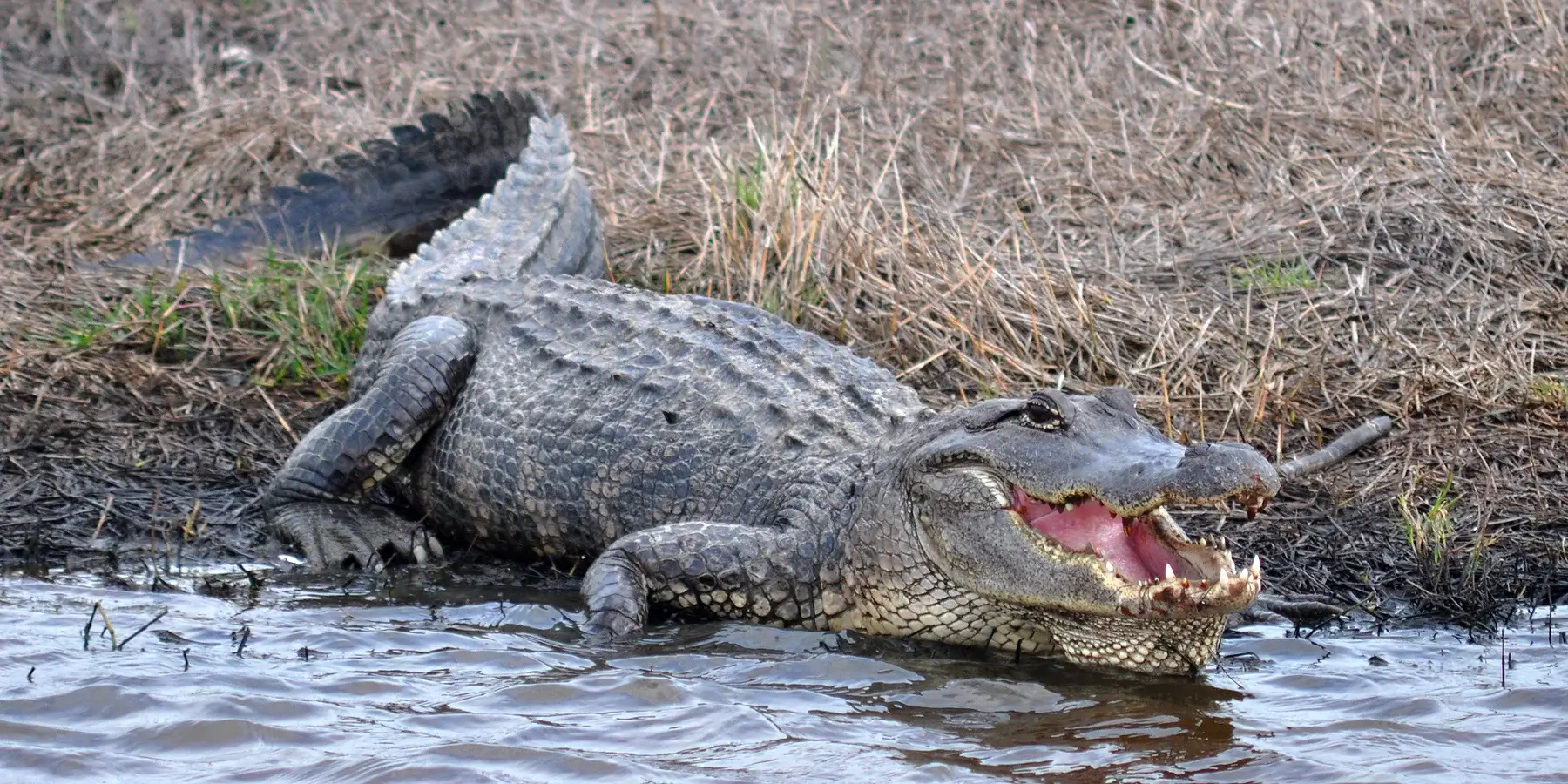
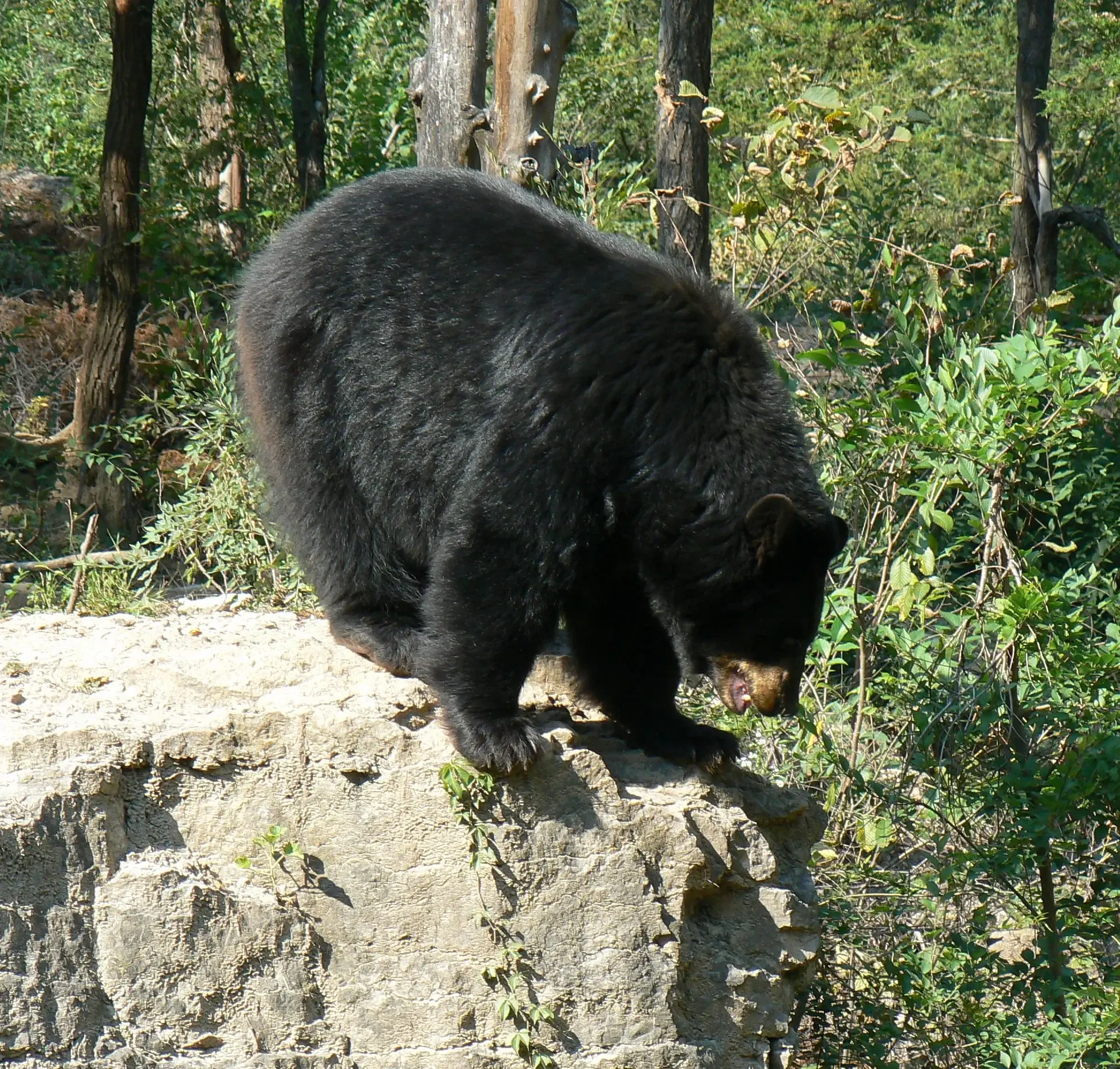
Common natural predators include coyotes, wolves, and mountain lions. American black bears may also prey on beavers if the opportunity arises. Less significant predators include wolverines, which may attack a rare beaver of up to adult size, and Canada lynx, bobcats, and foxes (due to their smaller size, these are typically predators only of kits or very sick or injured animals, rather than full-grown beavers). American alligators, which do not frequently coexist in the wild with beavers, also seldom threaten them. Both golden eagles (Aquila chrysaetos) and bald eagles (Haliaeetus leucocephalus) may on occasion prey on a beaver, likely only small kits. Despite repeated claims, no evidence shows that North American river otters are typically predators of beavers but anecdotally may take a rare beaver kit.
Hunting Season
Private: Year-round. WMA: Oct 1 - Feb 28.
License & Regulations
A valid South Carolina hunting license is required for resident and non-resident hunters age 16 and older. Licenses can be purchased online through the Go Outdoors SC portal or at authorized license retailers. Additional permits may be required: Big Game Permit for deer, bear, and turkey; individual bear tags ($25 residents, $100 nonresidents); turkey tags ($25 residents, $125 nonresidents); antlerless deer tags; and the federal Migratory Bird Hunting and Conservation Stamp (Duck Stamp) for waterfowl. Hunters born on or after July 1, 1979 must successfully complete a hunter education course.
Frequently Asked Questions
Regulations for hunting North American Beaver in South Carolina
Beaver may be taken year-round on private land in South Carolina with no bag limit. Trapping is allowed during the WMA season from October through February. No license required for landowners trapping beaver on their own property. Beaver are managed to reduce property damage from flooding and tree cutting.
When is North American Beaver hunting season in South Carolina?
The North American Beaver hunting season in South Carolina: Private: Year-round. WMA: Oct 1 - Feb 28.
What's another name for North American Beaver?
North American Beaver is also known as American beaver, Beaver in South Carolina.
How to identify North American Beaver?
The North American beaver (Castor canadensis) is one of two extant beaver species, along with the Eurasian beaver (Castor fiber). It is native to North America and has been introduced in South America (Patagonia) and Europe (primarily Finland and Karelia). The North American beaver is one of the national symbols of Canada and the official state mammal of Oregon and New York. North American beavers are widespread across the continental United States, Canada, southern Alaska, and some parts of nor...
References
| State | Category | Directory | Subcategory | Content | Source |
|---|---|---|---|---|---|
| South Carolina | Hunting | Regulations | Season Dates | Private: Year-round. WMA: Oct 1 - Feb 28. | Link |
| South Carolina | Hunting | License | License & Fees | A valid South Carolina hunting license is required for resident and non-resident hunters age 16 and older. Licenses can | Link |
| South Carolina | Hunting | Regulations | Regulations | Beaver may be taken year-round on private land in South Carolina with no bag limit. Trapping is allowed during the WMA s | Link |