Also known as: River otter, Otter
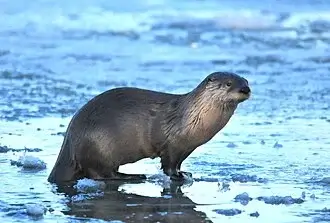
The North American river otter (Lontra canadensis), also known as the northern river otter and river otter, is a semiaquatic mammal that is endemic to the North American continent throughout most of Canada and along the coasts of the United States and its inland waterways. An adult North American river otter can weigh between 5 and 14 kilograms (11–31 lb). The river otter is protected and insulated by a thick, water-repellent coat of fur. The North American river otter, a member of the subfamily Lutrinae in the weasel family (Mustelidae), is equally versatile in the water and on land. It establishes a burrow close to the water's edge in river, lake, swamp, coastal shoreline, tidal flat, or estuary ecosystems. The den typically has many tunnel openings, one of which generally allows the otter to enter and exit the body of water. Females give birth in these burrows, producing litters of one to six young. North American river otters, like most predators, prey upon the most readily accessible species. Fish is a favored food among the otters, but they also consume various amphibians (such as salamanders and frogs), freshwater clams, mussels, snails, small turtles, and crayfish. The most common fish consumed are perch, suckers, and catfish. Occasional reports also show the river otter eating other small animals, such as mice, squirrels, birds, and even dogs that they have attacked and drowned. The range of the North American river otter has been significantly reduced by habitat loss, beginning with the European colonization of the Americas. In some regions, though, their population is controlled to allow the trapping and harvesting of otters for their fur. North American river otters are very susceptible to the effects of environmental pollution, which is a likely factor in the continued decline of their numbers. A number of reintroduction projects have been initiated to help halt the reduction in their overall population.
Habitat & Range
The North American river otter is found throughout North America, inhabiting inland waterways and coastal areas in Canada, the Pacific Northwest, the Atlantic states, and states on the Gulf of Mexico. They also inhabit the forested regions near the Pacific coast in North America. The species is also present throughout Alaska, including the Aleutian Islands, and the north slope of the Brooks Range. Urbanization and pollution, though, have resulted in a reduction in the otters' range in the United States. They are now absent or rare in Arizona, Kansas, Nebraska, New Mexico, North Dakota, Ohio, Oklahoma, South Dakota, and Tennessee. Reintroduction projects have expanded their distribution in recent years, such as in West Virginia, and especially in the Midwestern United States. Since their reintroduction to Kentucky in the early 1990s, the otters have recovered to the point that a trapping season was implemented in 2006, and the species is now found in all of the state's major waterways. In 2010, the Colorado Department of Wildlife reported the river otter, reintroduced to the state in the 1980s, was "thriving" and recommended its protection status be reconsidered. In late 2012, a river otter nicknamed Sutro Sam took up residence around the former site of the Sutro Baths in San Francisco, the first river otter sighting in that city since the 1950s. North American river otters occupy all Canadian provinces and territories, except until recently, Prince Edward Island. Otters have recently begun re-establishing themselves on Prince Edward Island. In Minnesota, otter populations have rebounded due to reintroduction efforts in the 1980s, improvements in water quality, habitat restoration, and harvest regulation. While river otters are most common in northern Minnesota, they can be seen in urban areas including the Twin Cities. Historical records indicate North American river otters were once populous throughout most major drainages in the continental United States and Canad
Life History
North American river otters only settle in areas that consist of vegetation, rock piles, and sufficient coverage. The diet of the North American River otters is extensive and mostly consists of fish, frogs, crayfish, turtles, insects, and some small mammals. They are known to hunt in pairs or alone and can hunt on both land and in the water. Lontra canadensis is a predator adapted to hunting in water, feeding on aquatic and semiaquatic animals. The vulnerability and seasonal availability of prey animals primarily determine their food habits and prey preferences.
Status, Trends & Threats
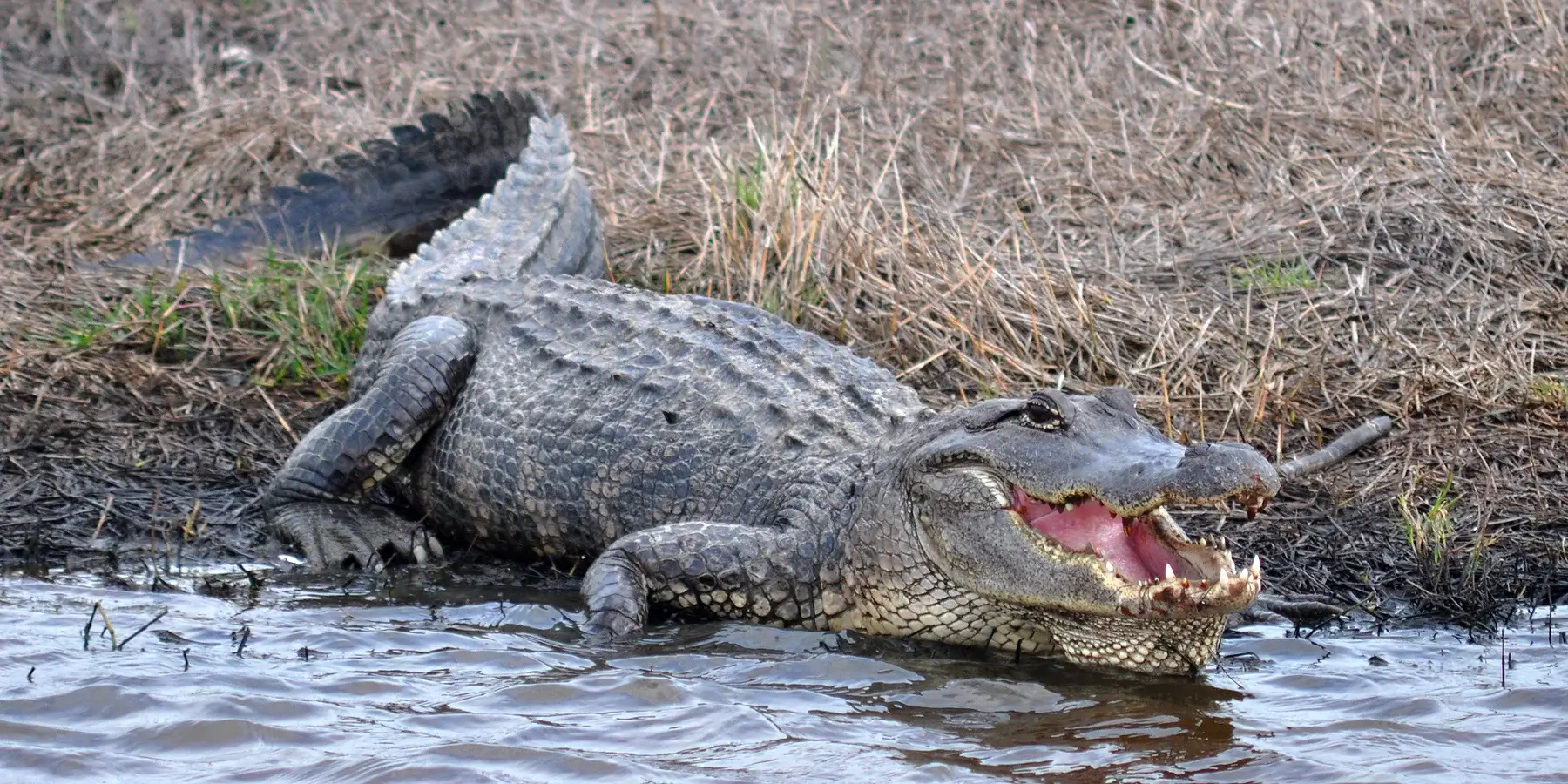
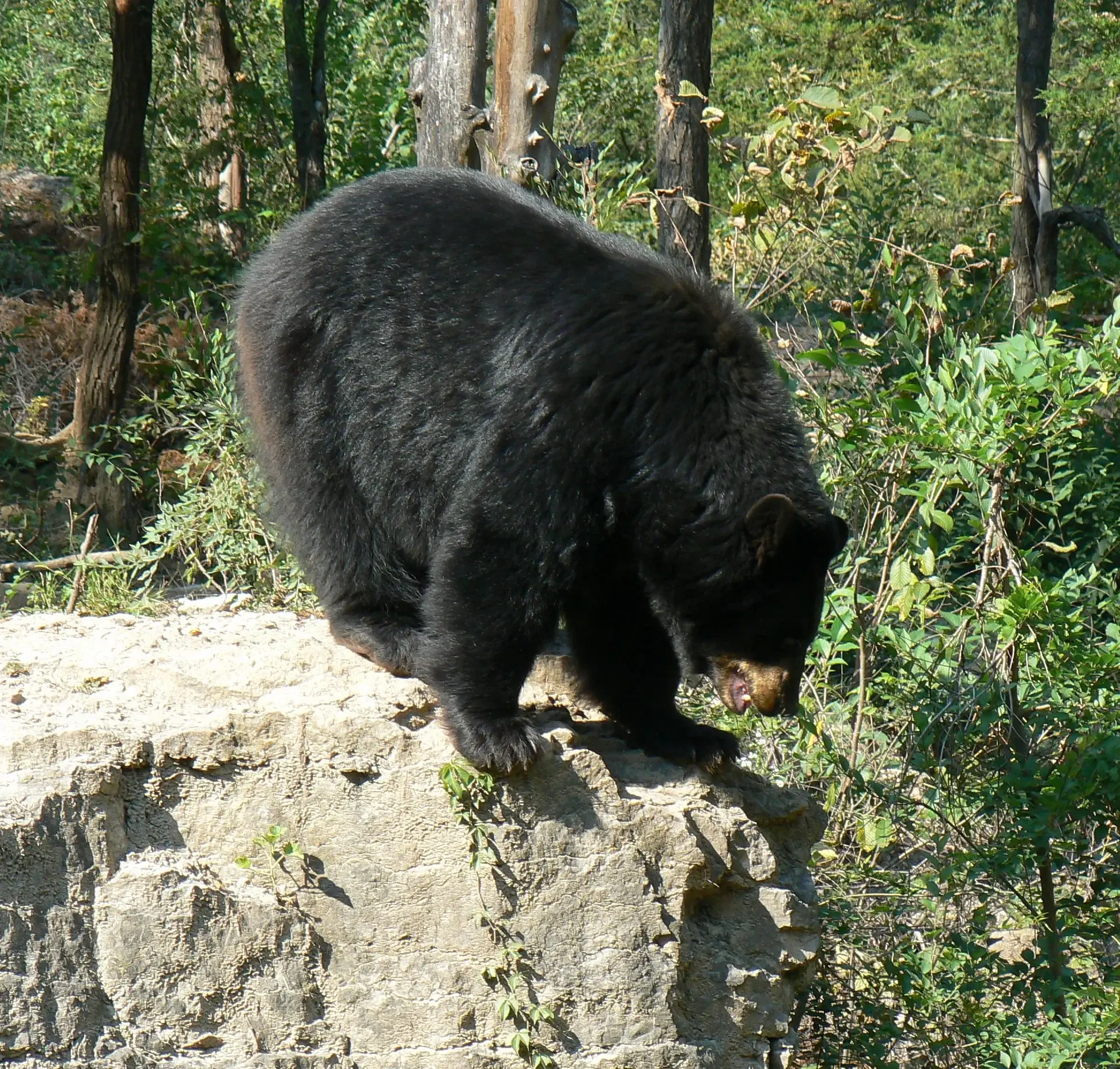
Aquatic predators of the North American river otter include the American alligator (Alligator mississippiensis), American crocodile (Crocodylus acutus), and killer whale (Orcinus orca), none of which commonly coexist with the North American river otter and thus rarely pose a threat. Terrestrial predators include the bobcat (Lynx rufus), cougar (Puma concolor), coyote (Canis latrans), domestic dog (Canis familiaris), wolf (Canis lupus), American black bear (Ursus americanus), bald eagle (Haliaeetus leucocephalus), and red fox (Vulpes vulpes), grizzly bears (Ursus arctos horribilis) and polar bears (Ursus maritimus) Lontra canadensis is listed in Appendix II of the Convention on International Trade in Endangered Species of Wild Fauna and Flora (CITES). They have been virtually eliminated through many parts of their range, especially around heavily populated areas in the midwestern and eastern United States. Appendix II lists species that are not necessarily threatened with extinction currently, but may become so unless trade is closely controlled. The North American river otter is considered a species of least concern according to the IUCN Red List, as it is not currently declining at a rate sufficient for a threat category. By the early 1900s, North American river otter populations had declined throughout large portions of their historic range in North America. However, improvements in water quality (through enactment of clean water regulations) and furbearer management techniques have permitted river otters to regain portions of their range in many areas. Reintroduction projects have been particularly valuable in restoring populations in many areas of the United States. However, North American river otters remain rare or absent in the southwestern United States. Water quality and development inhibit recovery of populations in some areas. The species is widely distributed throughout its range. In many places, the populations have re-established themselves because of
Hunting Season
Private: Nov 27 - Mar 1. WMA: Nov 27 - Feb 28.
License & Regulations
A valid South Carolina hunting license is required for resident and non-resident hunters age 16 and older. Licenses can be purchased online through the Go Outdoors SC portal or at authorized license retailers. Additional permits may be required: Big Game Permit for deer, bear, and turkey; individual bear tags ($25 residents, $100 nonresidents); turkey tags ($25 residents, $125 nonresidents); antlerless deer tags; and the federal Migratory Bird Hunting and Conservation Stamp (Duck Stamp) for waterfowl. Hunters born on or after July 1, 1979 must successfully complete a hunter education course.
Frequently Asked Questions
Regulations for hunting North American River Otter in South Carolina
North American river otter hunting and trapping season runs from late November through the end of February or early March. No bag limit. Otters are found in rivers, swamps, and coastal marshes throughout South Carolina. Their thick fur makes them a valuable furbearer.
When is North American River Otter hunting season in South Carolina?
The North American River Otter hunting season in South Carolina: Private: Nov 27 - Mar 1. WMA: Nov 27 - Feb 28.
What's another name for North American River Otter?
North American River Otter is also known as River otter, Otter in South Carolina.
How to identify North American River Otter?
The North American river otter (Lontra canadensis), also known as the northern river otter and river otter, is a semiaquatic mammal that is endemic to the North American continent throughout most of Canada and along the coasts of the United States and its inland waterways. An adult North American river otter can weigh between 5 and 14 kilograms (11–31 lb). The river otter is protected and insulated by a thick, water-repellent coat of fur. The North American river otter, a member of the subfamily...
References
| State | Category | Directory | Subcategory | Content | Source |
|---|---|---|---|---|---|
| South Carolina | Hunting | Regulations | Season Dates | Private: Nov 27 - Mar 1. WMA: Nov 27 - Feb 28. | Link |
| South Carolina | Hunting | License | License & Fees | A valid South Carolina hunting license is required for resident and non-resident hunters age 16 and older. Licenses can | Link |
| South Carolina | Hunting | Regulations | Regulations | North American river otter hunting and trapping season runs from late November through the end of February or early Marc | Link |