Also known as: Whitetail, Virginia deer
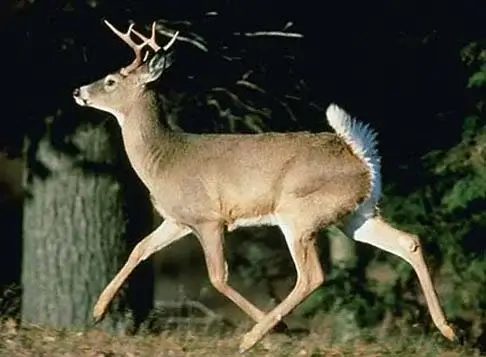
The white-tailed deer (Odocoileus virginianus), also known commonly as the whitetail and the Virginia deer, is a medium-sized species of deer native to North and South America. It is the most widely distributed mainland ungulate herbivore in the Americas; coupled with its natural predator, the mountain lion (Puma concolor), it is one of the most widely distributed terrestrial mammal species in the Americas and the world. Highly adaptable, the various subspecies of white-tailed deer inhabit many different ecosystems, from arid grasslands to the Amazon and Orinoco basins; from the Llanos to the high-elevation terrain of the Andes.
Life History
White-tailed deer are generalists and can adapt to a wide variety of habitats. The largest deer occur in the temperate regions of North America. The northern white-tailed deer (O. v. borealis), Dakota white-tailed deer (O. v. dacotensis), and northwest white-tailed deer (O. v. ochrourus) are some of the largest animals, with large antlers. The smallest deer occur in the Florida Keys and in partially wooded lowlands in the Neotropics. Although most often thought of as forest animals depending on relatively small openings and edges, white-tailed deer can equally adapt themselves to life in more open prairie, savanna woodlands, and sage communities as in the Southwestern United States and northern Mexico. These savanna-adapted deer have relatively large antlers in proportion to their body size and large tails. Also, a noticeable difference exists in size between male and female deer of the savannas. The Texas white-tailed deer (O. v. texanus), of the prairies and oak savannas of Texas and parts of Mexico, are the largest savanna-adapted deer in the Southwest, with impressive antlers that might rival deer found in Canada and the northern United States. Populations of Arizona (O. v. couesi) and Carmen Mountains (O. v. carminis) white-tailed deer inhabit montane mixed oak and pine woodland communities. The Arizona and Carmen Mountains deer are smaller, but may also have impressive antlers, considering their size. The white-tailed deer of the Llanos region of Colombia and Venezuela (O. v. apurensis and O. v. gymnotis) have antler dimensions similar to the Arizona white-tailed deer. In some western regions of North America the white-tailed deer range overlaps with those of the mule deer. White-tail incursions in the Trans-Pecos region of Texas have resulted in some hybrids. In the extreme north of the range, their habitat is also used by moose in some areas. White-tailed deer may occur in areas that are also exploited by elk (wapiti) such as in mixed deciduous river valley bottomlands and formerly in the mixed deciduous forest of eastern United States. In places such as Glacier National Park in Montana and several national parks in the Columbian Mountains (Mount Revelstoke National Park) and Canadian Rocky Mountains, as well as in the Yukon Territory (Yoho National Park and Kootenay National Park), white-tailed deer are shy and more reclusive than the coexisting mule deer, elk and moose. Central American white-tailed deer prefer tropical and subtropical dry broadleaf forests, seasonal mixed deciduous forests, savanna, and adjacent wetland habitats over dense tropical and subtropical moist broadleaf forests. South American subspecies of white-tailed deer live in two types of environment. The first type, similar to the Central American deer, consists of savannas, dry deciduous forests, and riparian corridors that cover much of Venezuela and eastern Colombia. The other type is the higher elevation mountain grassland/mixed forest ecozones in the Andes Mount
Status, Trends & Threats
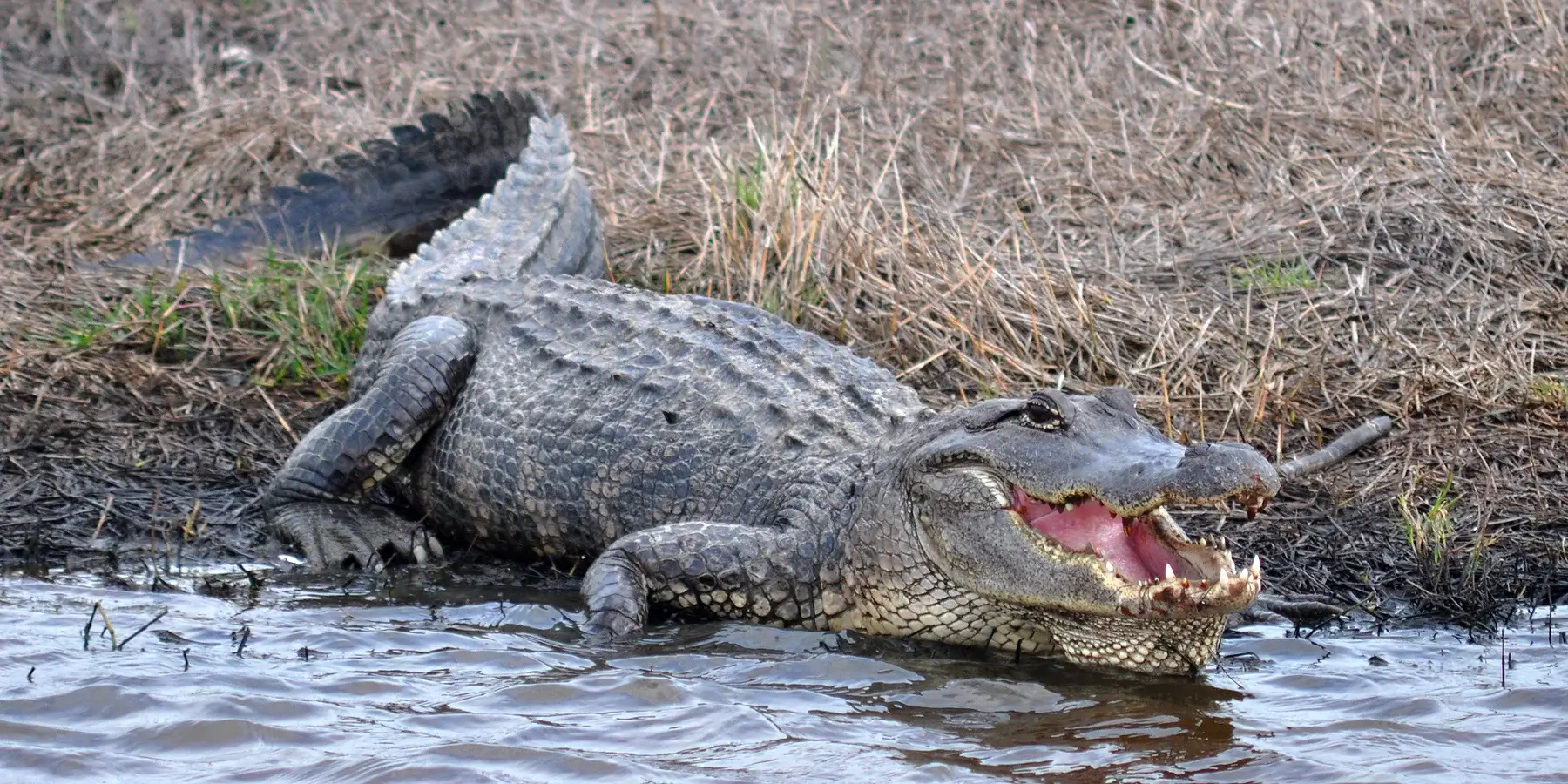
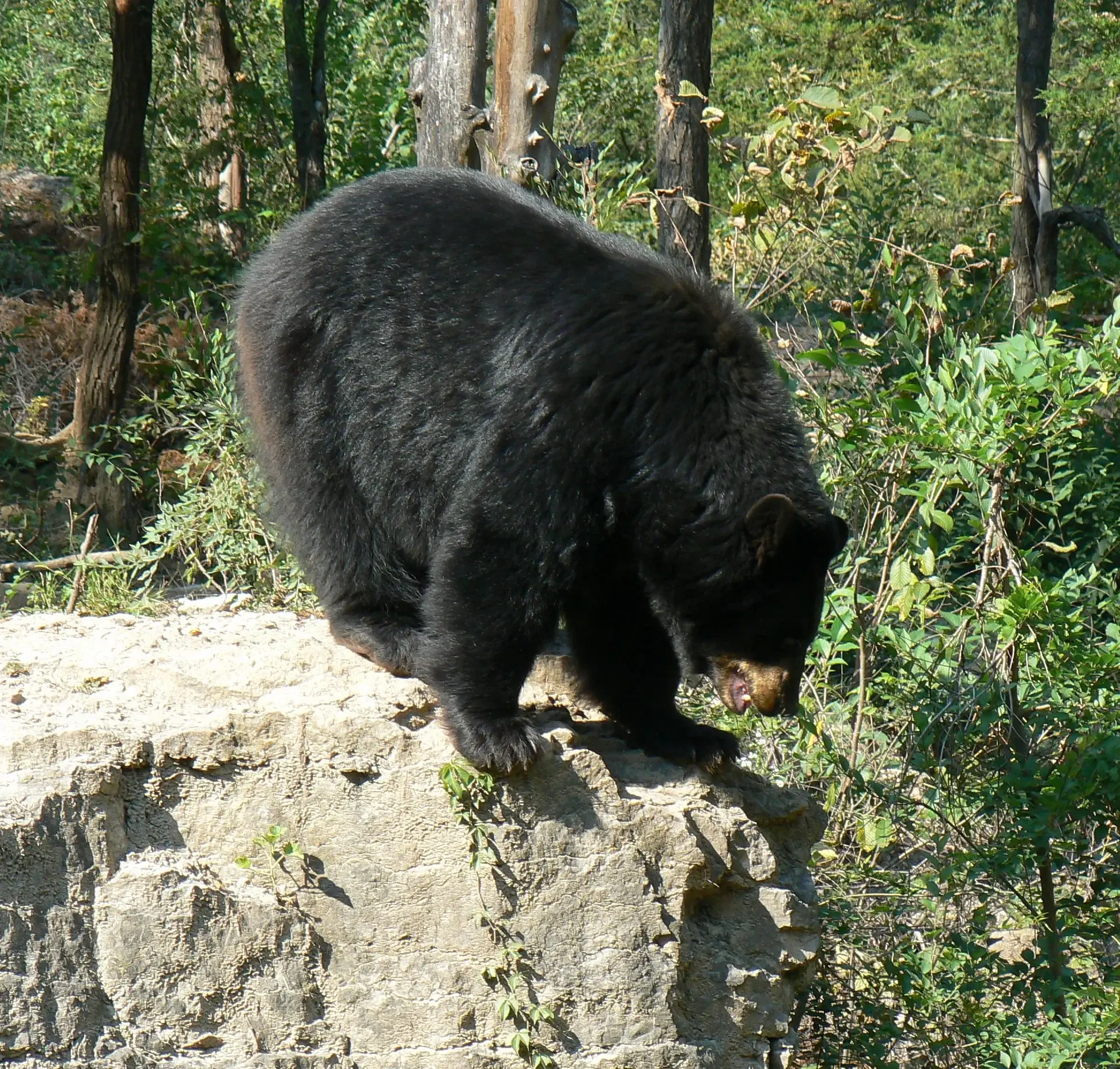
There are several natural predators of white-tailed deer, with wolves, cougars, American alligators, jaguars (in the American southwest, Mexico, and Central and South America) and humans being the most effective natural predators. Aside from humans, these predators frequently pick out easily caught young or infirm deer (which is believed to improve the genetic stock of a population), but can and do take healthy adults of any size. Bobcats, Canada lynx, grizzly and American black bears, wolverines, and packs of coyotes usually prey mainly on fawns. Bears may sometimes attack adult deer, while lynxes, coyotes, and wolverines are most likely to take adult deer when the ungulates are weakened by harsh winter weather. Many scavengers rely on deer as carrion, including New World vultures, raptors, red and gray foxes, and corvids. Few wild predators can afford to be picky and any will readily consume deer as carrion. Records exist of American crows and common ravens attempting to prey on white-tailed deer fawns by pecking around their face and eyes, though no accounts of success are given. Occasionally, both golden and bald eagles may capture deer fawns with their talons. In one case, a golden eagle was filmed in Illinois unsuccessfully trying to prey on a large mature white-tailed deer. White-tailed deer typically respond to the presence of potential predators by breathing very heavily (also called blowing) and fleeing. When they blow, the sound alerts other deer in the area. As they run, the flash of their white tails warns other deer. This especially serves to warn fawns when their mother is alarmed. Most natural predators of white-tailed deer hunt by ambush, although canids may engage in an extended chase, hoping to exhaust the prey. Felids typically try to suffocate the deer by biting the throat. Cougars and jaguars will initially knock the deer off balance with their powerful forelegs, whereas the smaller bobcats and lynxes will jump astride the deer to deliver a ki
Hunting Season
Game Zone 1: Primitive Weapons Oct 1-10; Gun Oct 11 - Jan 1. Game Zone 2: Archery Sep 15-30; Primitive Weapons Oct 1-10; Gun Oct 11 - Jan 1. Game Zone 3: Archery & Gun combined Aug 15 - Jan 1. Game Zone 4: Archery Aug 15-31; Gun Sep 1 - Jan 1. Youth Days: Antlered only (1 deer) in Sep/early Oct dates vary by zone; Either-sex Jan 3 statewide (2 deer).
License & Regulations
A valid South Carolina hunting license is required for resident and non-resident hunters age 16 and older. Licenses can be purchased online through the Go Outdoors SC portal or at authorized license retailers. Additional permits may be required: Big Game Permit for deer, bear, and turkey; individual bear tags ($25 residents, $100 nonresidents); turkey tags ($25 residents, $125 nonresidents); antlerless deer tags; and the federal Migratory Bird Hunting and Conservation Stamp (Duck Stamp) for waterfowl. Hunters born on or after July 1, 1979 must successfully complete a hunter education course.
Frequently Asked Questions
Regulations for hunting White-tailed Deer in South Carolina
South Carolina offers extensive deer hunting across four Game Zones with varying season structures. Game Zones 2 and 4 have separate archery and gun seasons, Zone 1 uses primitive weapons and gun, and Zone 3 combines archery and gun. Antlerless deer require individual tags with per-zone caps. No antler point restrictions apply statewide. Sunday hunting is allowed on private land. Baiting is permitted on private land. All harvested deer must be tagged at the kill site and reported through Go Outdoors SC. Youth Day hunts are held for hunters 17 and under.
When is White-tailed Deer hunting season in South Carolina?
The White-tailed Deer hunting season in South Carolina: Game Zone 1: Primitive Weapons Oct 1-10; Gun Oct 11 - Jan 1. Game Zone 2: Archery Sep 15-30; Primitive Weapons Oct 1-10; Gun Oct 11 - Jan 1. Game Zone 3: Archery & Gun combined Aug 15 - Jan 1. Game Zone 4: Archery Aug 15-31; Gun Sep 1 - Jan 1. Youth Days: Antlered only (1 deer) in Sep/early Oct dates vary by zone; Either-sex Jan 3 statewide (2 deer).
What is the bag limit for White-tailed Deer in South Carolina?
The bag limit for White-tailed Deer in South Carolina is: Residents: 2 antlered per day, 5 total per season. Nonresidents: 2 antlered per day, 4 total per season. Antlerless: 2 per day with individual tags, zone caps apply (Zone 1: 3 total, Zones 2-4: 8 total).
What's another name for White-tailed Deer?
White-tailed Deer is also known as Whitetail, Virginia deer in South Carolina.
What is the rut timing for white-tailed deer in South Carolina?
The rut (breeding season) for white-tailed deer in South Carolina varies by region. In the Coastal Plain, peak breeding occurs from mid-August to mid-September. In the Piedmont, peak breeding is typically September through October. In the Mountains, peak breeding occurs from October through November. This variation is due to latitudinal differences in photoperiod response.
What do white-tailed deer eat in South Carolina?
White-tailed deer in South Carolina consume a varied diet including agricultural crops (soybeans, corn, peanuts), acorns and other hard mast, soft mast (berries, persimmons), forbs, grasses, and woody browse. Food plots of clover, wheat, oats, and rye are commonly planted by hunters to attract and sustain deer.
How to identify White-tailed Deer?
The white-tailed deer (Odocoileus virginianus), also known commonly as the whitetail and the Virginia deer, is a medium-sized species of deer native to North and South America. It is the most widely distributed mainland ungulate herbivore in the Americas; coupled with its natural predator, the mountain lion (Puma concolor), it is one of the most widely distributed terrestrial mammal species in the Americas and the world. Highly adaptable, the various subspecies of white-tailed deer inhabit many ...
References
| State | Category | Directory | Subcategory | Content | Source |
|---|---|---|---|---|---|
| South Carolina | Hunting | Regulations | Season Dates | Game Zone 1: Primitive Weapons Oct 1-10; Gun Oct 11 - Jan 1. Game Zone 2: Archery Sep 15-30; Primitive Weapons Oct 1-10; | Link |
| South Carolina | Hunting | License | License & Fees | A valid South Carolina hunting license is required for resident and non-resident hunters age 16 and older. Licenses can | Link |
| South Carolina | Hunting | Regulations | Regulations | South Carolina offers extensive deer hunting across four Game Zones with varying season structures. Game Zones 2 and 4 h | Link |