Also known as: Eastern wild turkey, Turkey, Gobbler
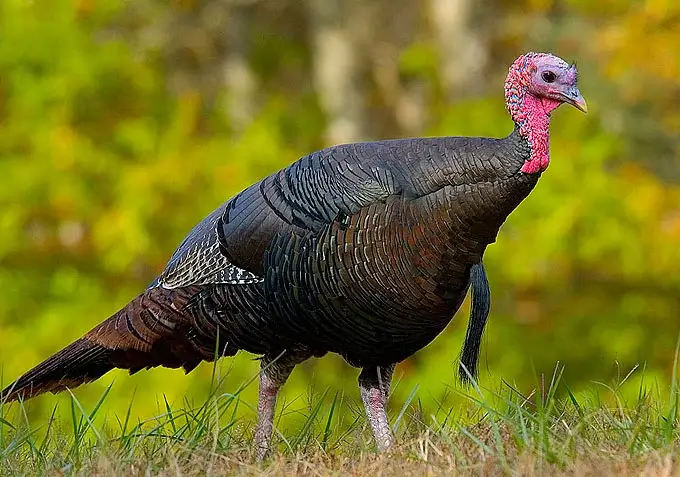
The wild turkey (Meleagris gallopavo) is an upland game bird native to North America, one of two extant species of turkey and the heaviest member of the order Galliformes. It is the ancestor to the domestic turkey (M. g. domesticus), which was originally derived from a southern Mexican subspecies of wild turkey (not the related ocellated turkey).
Habitat & Range
Wild turkeys prefer hardwood and mixed conifer-hardwood forests with scattered openings such as pastures, fields, orchards and seasonal marshes. They seemingly can adapt to virtually any dense native plant community as long as coverage and openings are widely available. Open, mature forest with a variety of interspersion of tree species appear to be preferred. In the Northeast of North America, turkeys are most profuse in hardwood timber of oak-hickory (Quercus-Carya) and forests of red oak (Quercus rubra), beech (Fagus grandifolia), cherry (Prunus serotina) and white ash (Fraxinus americana). Best ranges for turkeys in the Coastal Plain and Piedmont sections have an interspersion of clearings, farms, and plantations with preferred habitat along principal rivers and in cypress (Taxodium distichum) and tupelo (Nyssa sylvatica) swamps. In the Appalachian Plateau and Cumberland Plateau birds occupy mixed forest of oaks and pines on southern and western slopes, also hickory with diverse understories. Bald cypress and sweet gum (Liquidambar styraciflua) swamps of south Florida; also hardwood of Cliftonia (a heath) and oak in north-central Florida. Lykes Fisheating Creek area of south Florida has up to 51% cypress, 12% hardwood hammocks, 17% glades of short grasses with isolated live oak (Quercus virginiana); nesting in neighboring prairies. Original habitat here was mainly longleaf pine (Pinus palustris) with turkey oak (Quercus laevis) and slash pine (Pinus elliottii) "flatwoods", now mainly replaced by slash pine plantations. In California, turkeys live in a wide range of habitats; acorns are a favorite food, in addition to wild oats (Avena barbata), drawing turkeys to areas of open oak forest and oak savanna across the central areas of the state. They frequent the lower-elevation oak woodlands of the Sierra Nevada foothills and Coast Ranges, and the central coast north through Mendocino County, which is primarily open conifer forest with various species of ferns growi
Status, Trends & Threats
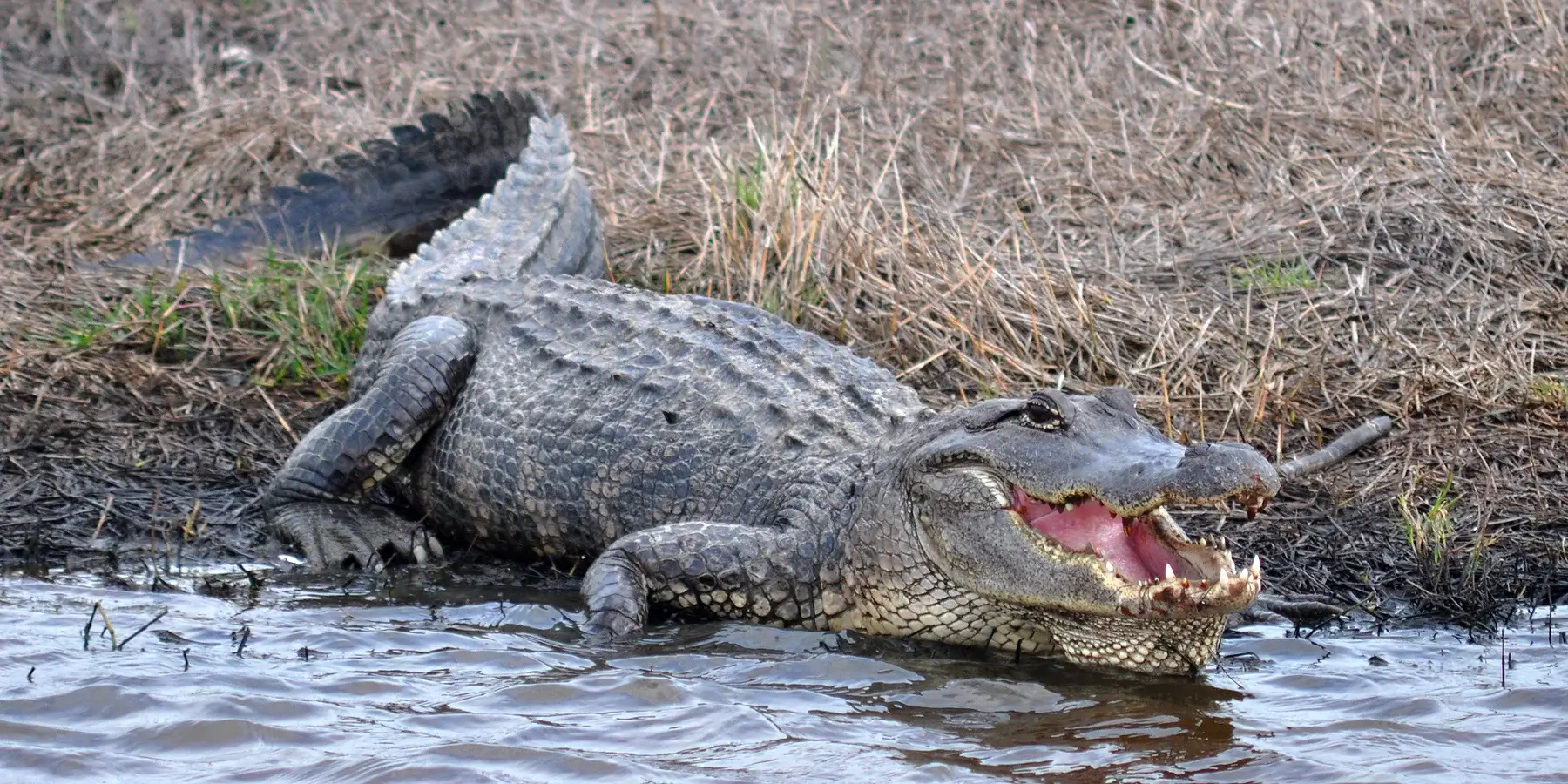
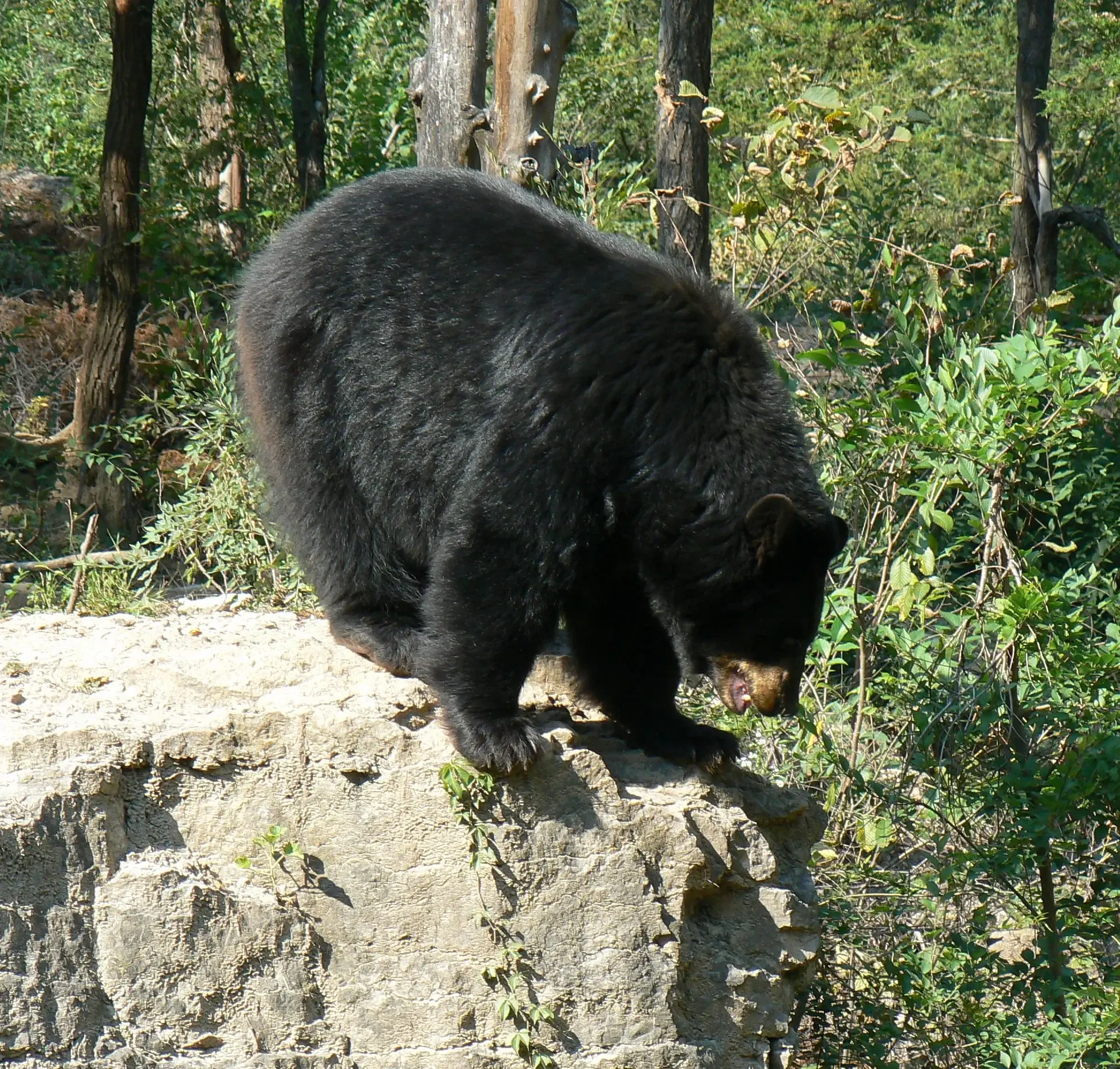
Predators of eggs and nestlings include raccoons (Procyon lotor), Virginia opossums (Didelphis virginiana), striped skunks (Mephitis mephitis), spotted skunks (Spilogale ssp.), red foxes (Vulpes vulpes), gray foxes (Urocyon citnereoargenteus), groundhogs (Marmota monax), among other rodents. Predators of poults in addition to nestlings and eggs also include several species of snake, namely rat snakes (Elaphe ssp.), gopher snakes (Pituophis catenifer), and pinesnakes (Pituophis ssp.). Avian predators of poults include raptors such as bald eagles (Haliaeetus leucocephalus), barred owl (Strix varia), red-shouldered (Buteo lineatus), red-tailed (Buteo jamaicensis), white-tailed (Geranoaetus albicaudatus), Harris's hawks (Parabuteo unicinctus), Cooper's hawk (Astur cooperii), and broad-winged hawk (Buteo platypterus) (both likely of very small poults). Mortality of poults is greatest in the first 14 days of life, especially of those roosting on the ground, decreasing most notably after half a year, when they attain near adult sizes. In addition to poults, hens and adult-sized fledglings (but not, as far as is known, adult male toms) are vulnerable to predation by great horned owls (Bubo virginianus), American goshawk (Astur atricapillus), domestic dogs (Canis familiaris), domestic cats (Felis catus), and red foxes (Vulpes vulpes). Predators of both adults and poults include coyotes (Canis latrans), gray wolves (Canis lupus), bobcats (Lynx rufus), cougars (Puma concolor), Canada lynx (Lynx canadensis), golden eagles (Aquila chrysaetos), and possibly American black bears (Ursus americanus), which also will eat the eggs if they find them. The American alligator (Alligator mississippiensis) is a predator to all turkeys of all ages in the Southeast and will eat them if they get too close to water. Humans are now the leading predator of adult turkeys. When approached by potential predators, turkeys and their poults usually run rather than fly away, though they may also fly sh
Hunting Season
Spring 2026: Private lands Apr 3 - May 3. WMA lands: Apr 3 - May 2 (no Sunday hunting on WMAs). Youth weekends (private lands only): Mar 28-29 and May 9-10. No fall turkey season.
License & Regulations
A valid South Carolina hunting license is required for resident and non-resident hunters age 16 and older. Licenses can be purchased online through the Go Outdoors SC portal or at authorized license retailers. Additional permits may be required: Big Game Permit for deer, bear, and turkey; individual bear tags ($25 residents, $100 nonresidents); turkey tags ($25 residents, $125 nonresidents); antlerless deer tags; and the federal Migratory Bird Hunting and Conservation Stamp (Duck Stamp) for waterfowl. Hunters born on or after July 1, 1979 must successfully complete a hunter education course.
Frequently Asked Questions
Regulations for hunting Wild Turkey in South Carolina
South Carolina offers a spring-only turkey season with no fall season. Hunters need turkey tags ($25 residents, $125 nonresidents) plus a hunting license and Big Game Permit. Legal weapons: shotgun, muzzleloading shotgun, bow, and crossbow. No rifles, pistols, slugs, or buckshot. Hunting over bait is unlawful. Reaping/fanning is prohibited on both private and WMA lands. Harvest must be reported by midnight on the day of take.
When is Wild Turkey hunting season in South Carolina?
The Wild Turkey hunting season in South Carolina: Spring 2026: Private lands Apr 3 - May 3. WMA lands: Apr 3 - May 2 (no Sunday hunting on WMAs). Youth weekends (private lands only): Mar 28-29 and May 9-10. No fall turkey season.
What is the bag limit for Wild Turkey in South Carolina?
The bag limit for Wild Turkey in South Carolina is: 2 gobblers per season, no more than 1 per day, no more than 1 prior to April 10. Youth weekend: 1 gobbler total for both weekends, counts towards season limit.
What's another name for Wild Turkey?
Wild Turkey is also known as Eastern wild turkey, Turkey, Gobbler in South Carolina.
How do I hunt turkeys in South Carolina?
Spring turkey hunting in South Carolina involves calling gobblers during the breeding season. Hunters use various calls (box calls, slate calls, diaphragm calls) to mimic hen turkey sounds. Legal methods include shotguns, muzzleloading shotguns, bows, and crossbows. No rifles, pistols, slugs, or buckshot are allowed. Scouting before the season to locate roost sites and feeding areas is key to success.
What is the best time to hunt turkeys in South Carolina?
Early morning is the most productive time for turkey hunting in South Carolina. Turkeys typically fly down from their roosts at dawn and begin calling and moving. The first few hours of daylight are prime time. Late afternoon can also be productive as turkeys move to feeding areas before roosting.
How to identify Wild Turkey?
The wild turkey (Meleagris gallopavo) is an upland game bird native to North America, one of two extant species of turkey and the heaviest member of the order Galliformes. It is the ancestor to the domestic turkey (M. g. domesticus), which was originally derived from a southern Mexican subspecies of wild turkey (not the related ocellated turkey).
References
| State | Category | Directory | Subcategory | Content | Source |
|---|---|---|---|---|---|
| South Carolina | Hunting | Regulations | Season Dates | Spring 2026: Private lands Apr 3 - May 3. WMA lands: Apr 3 - May 2 (no Sunday hunting on WMAs). Youth weekends (private | Link |
| South Carolina | Hunting | License | License & Fees | A valid South Carolina hunting license is required for resident and non-resident hunters age 16 and older. Licenses can | Link |
| South Carolina | Hunting | Regulations | Regulations | South Carolina offers a spring-only turkey season with no fall season. Hunters need turkey tags ($25 residents, $125 non | Link |