Also known as: Red fox, cross fox, silver fox
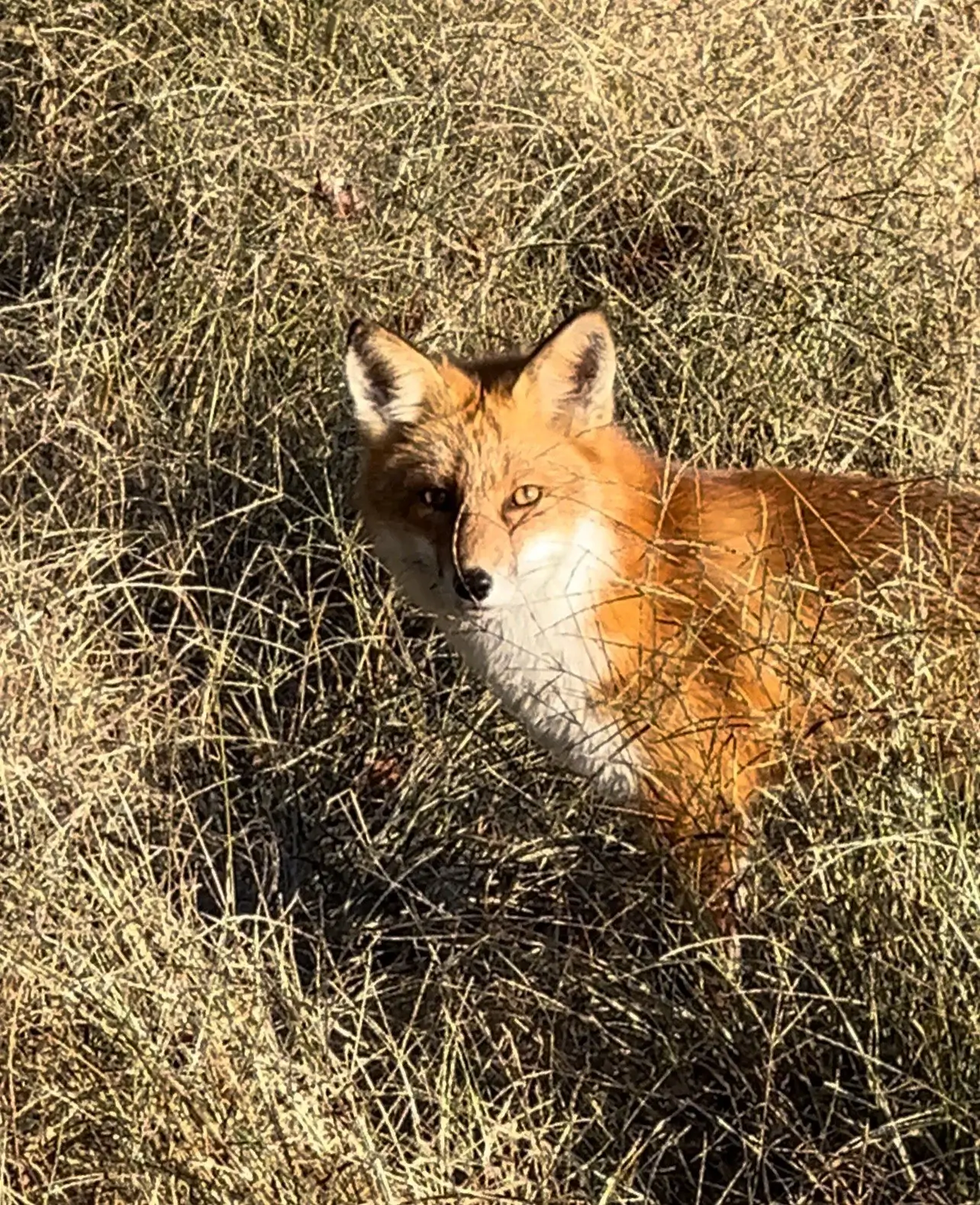
The red fox is the largest of the true foxes and one of the most widely distributed members of the order Carnivora. It is present across the entire Northern Hemisphere, including most of North America, Europe and Asia, as well as parts of North Africa. Its range has expanded alongside human settlement, with the species having been introduced to Australia, where it preys on native small and medium-sized rodents and marsupials. The red fox is listed as of least concern on the IUCN Red List. Because of its impact on native species, it is also included on the list of the "world's 100 worst invasive species".
Habitat & Range
The red fox is a widespread species. Its range covers nearly 70,000,000 km2(27,000,000 sq mi), extending as far north as theArctic Circle. It is found throughout Europe, in Africa north of the Sahara Desert, throughout Asia apart from extreme Southeast Asia, and across North America apart from most of the southwestern United States and Mexico. It is absent from the Arctic islands,[disputed–discuss]the most northerly parts of centralSiberia, and in extreme deserts.[1]It is not present inNew Zealandand is classed as a "prohibited new organism" under theHazardous Substances and New Organisms Act of 1996, which does not allow its import.[60]
Life History
Canis vulpesLinnaeus, 1758; Canis alopexLinnaeus, 1758 Thered fox(Vulpes vulpes) is the largest of thetrue foxesand one of the most widely distributed members of the orderCarnivora. It is present across the entireNorthern Hemisphere, including most ofNorth America,EuropeandAsia, as well as parts ofNorth Africa. Its range has expanded alongside human settlement, with the species having beenintroduced to Australia, where it preys on native small and medium-sized rodents andmarsupials. The red fox is listed as ofleast concernon theIUCN Red List.[1]Because of its impact on native species, it is also included on the list of the "world's 100 worst invasive species".[4] The red fox originated in Eurasia during theMiddle Pleistoceneat least 400,000 years ago[5]and later colonised North America sometime prior to 130,000 years ago.[6]Among the true foxes, the red fox represents a more progressive form in the direction ofcarnivory.[7]Apart from its large size, the red fox is distinguished from other fox species by its ability to adapt quickly to new environments. Despite its name, the species often produces individuals with other colourings, includingleucisticandmelanisticindividuals.[7]Forty-fivesubspeciesare currently recognised,[8]which are divided into two categories: the large northern foxes and the small,basalsouthern grey desert foxes of Asia and North Africa.[7] Red foxes are usually found in pairs or in small family groups consisting of amated pairand their young, or a male with several females related to each other. The young of the mated pair stay with their parents to help care for the new kits.[9]The species primarily feeds on small rodents, though it may also targetrabbits,squirrels,game birds,reptiles,invertebrates[7]and youngungulates.[7]Fruit and vegetable matter is also eaten sometimes.[10]Although the red fox tends to kill smaller predators, including other fox species, it is vulnerable to attack from larger predators, such aswolves,coyotes,golden jackals, large predatory birds such asgolden eaglesandEurasian eagle-owls,[11]and medium- and large-sizedfelids.[12] The species has a long history of association with humans. It has been extensively hunted as a pest andfurbearerfor many centuries, and is represented in human folklore and mythology. Due to its widespread distribution and large population, the red fox is one of the most important fur-bearing animals harvested for thefur trade.[13]: 229–230Too small to pose a significant threat to humans, it has greatly benefited from the presence of human habitation, and has successfullycolonisedmanysuburbanandurban areas. The domestication of the red fox is also underway inRussia, and has resulted in thedomesticated silver fox.
Hunting Season
Nov 15 - Feb 28.
Frequently Asked Questions
Regulations for hunting Red Fox in Alabama
Red fox hunting and trapping in Alabama has a season from November 15 to February 28. No bag limit. Red foxes are classified as furbearers.
When is Red Fox hunting season in Alabama?
Nov 15 - Feb 28.
What is another name for Red Fox?
Red Fox is also known as Red fox, cross fox, silver fox in Alabama.
References
| State | Category | Directory | Subcategory | Content | Source |
|---|---|---|---|---|---|
| Alabama | Hunting | Regulations | Season Dates | Nov 15 - Feb 28. | Link |
| Alabama | Hunting | Regulations | Regulations | Red fox hunting and trapping in Alabama has a season from November 15 to February 28. No bag limit. Red foxes are classi | Link |