Also known as: Swamp rabbit, cane cutter
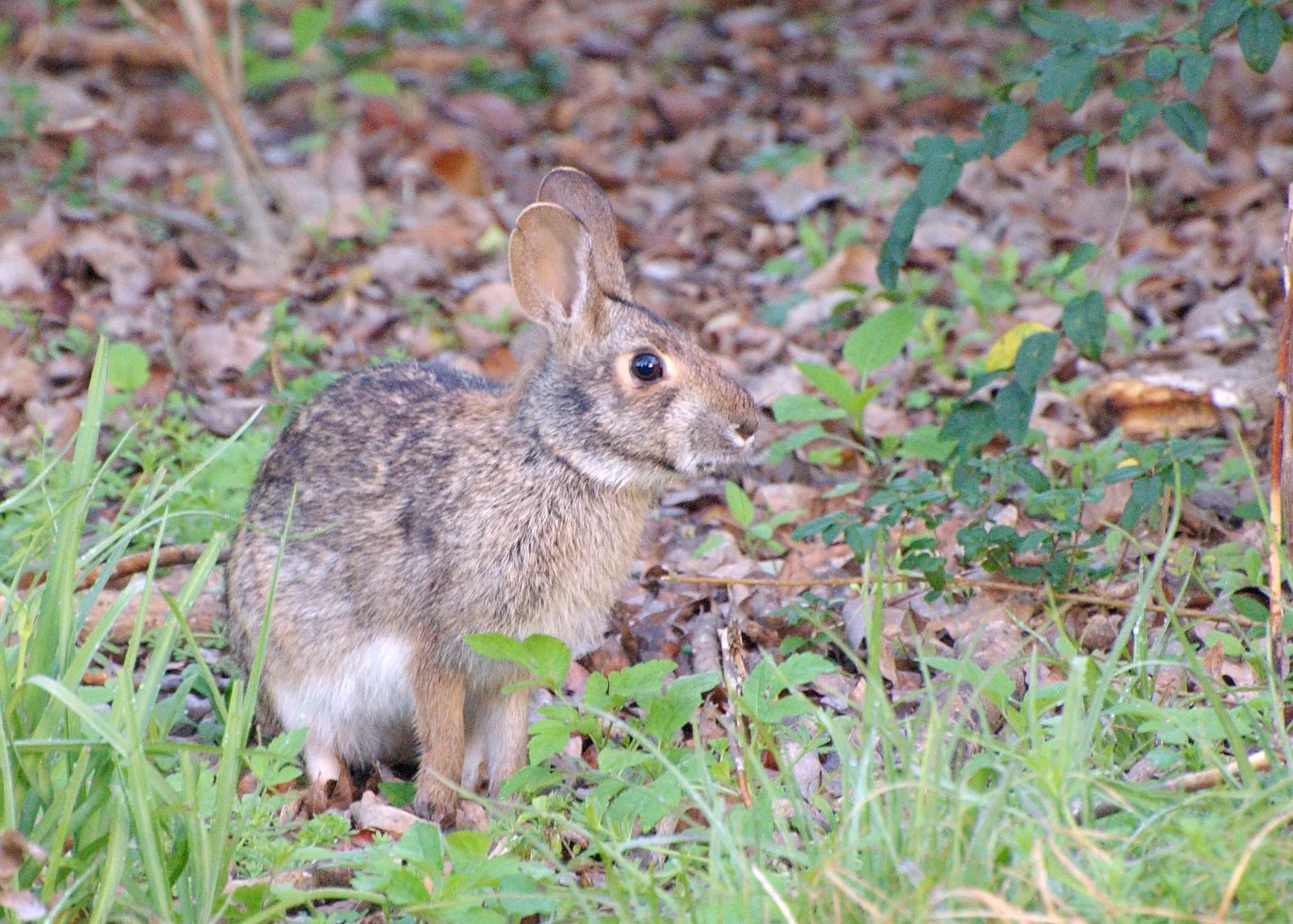
The swamp rabbit, also known as the cane cutter, swamper, or cane jake, is a species of cottontail rabbit found in the swamps and wetlands of the southern United States. It is herbivorous, territorial, and nocturnal. The largest of the cottontail rabbits, it is similar in appearance to the eastern cottontail, but has distinctly smaller ears and orange-colored hind legs. Swamp rabbits are closely related to the marsh rabbit. The two species likely separated during the Pleistocene epoch.
Habitat & Range
The swamp rabbit is found in much of the south-central United States and along theGulf coast. It is most abundant inAlabama,Mississippi, andLouisiana, but also inhabitsSouth Carolina,Arkansas,Tennessee,Texas,Oklahoma,Missouri,Kentucky,Illinois,Indiana, andGeorgia.[15]It is possiblyextirpated(locally extinct) fromKansas.[4] Swamp rabbits mainly live close tolowlandwater, often incypress swamps,marshland,floodplain, and rivertributaries. Swamp rabbits spend much of their time in depressions which they dig in tall grass or leaves, providing cover while they wait until the nighttime toforage.[15]The swamp rabbit has been suggested for use as anindicator species, as its preferred habitat is shared by many other species,[16]the rabbit makes use of different aspects of its habitat, and monitoring is easy to do.[17]The ranges of both the marsh rabbit and eastern cottontail overlap with that of the swamp rabbit.[11] Habitat loss and fragmentation have caused declines in swamp rabbit populations.[3]In the northernmost regions of its range, the rabbit is particularly vulnerable during snowy days, as its dark coat makes it particularly visible against the white background, making it more vulnerable to predators. Snow cover constrains both hiding ability and availability of food resources.[17]
Life History
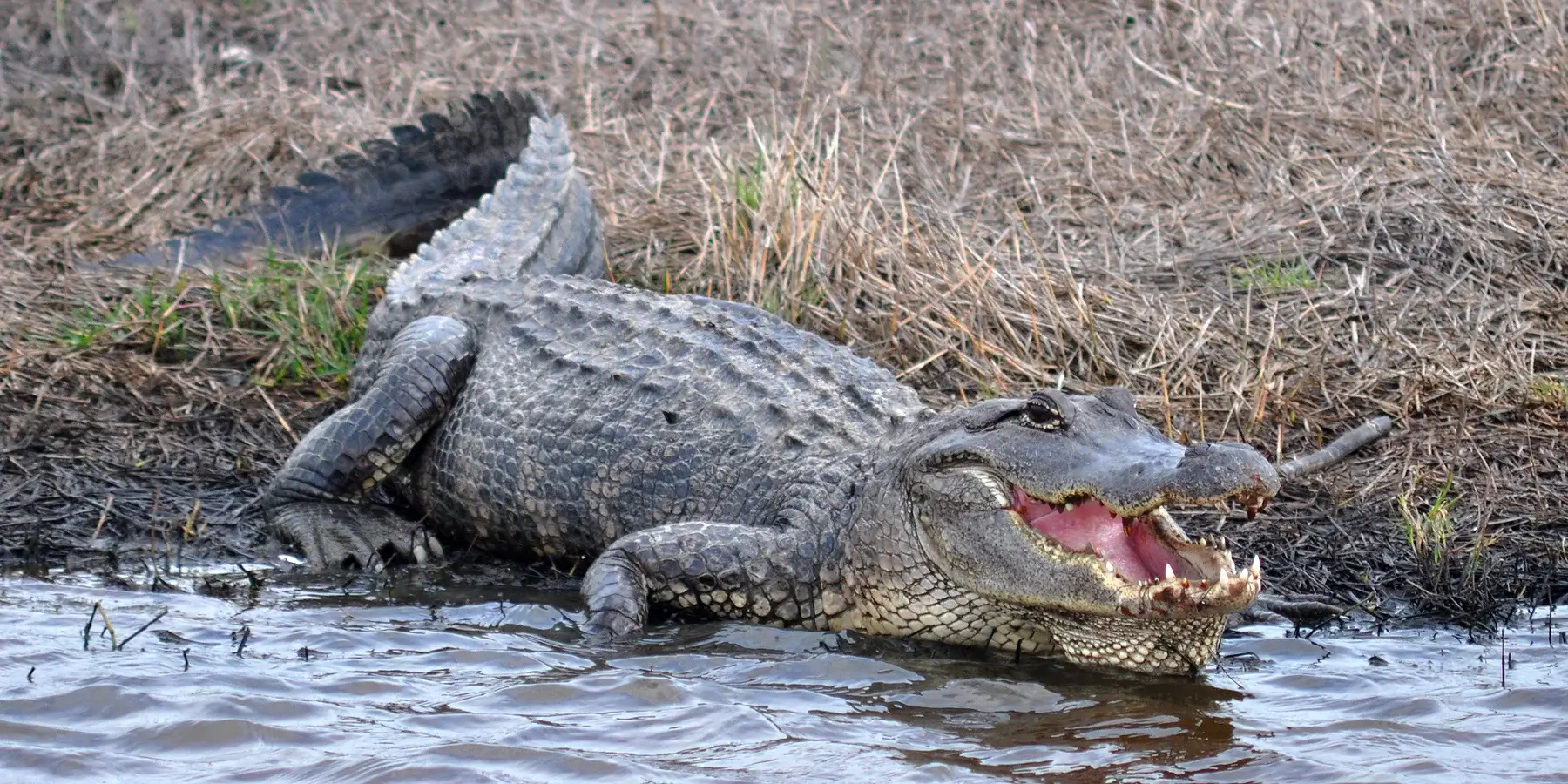
Lepus aquaticus attwateriJ. A. Allen, 1895Lepus aquaticusBachman, 1837Lepus telmalemonusD. G. Elliot, 1899Limnolagus aquaticusLyon, 1904Limnolagus aquaticus attwateriLyon, 1904Limnolagus telmalemonusLyon, 1904Sylvilagus aquaticusCorbet & J. Edwards Hill, 1980Sylvilagus aquaticus littoralisE. W. Nelson, 1909Sylvilagus aquaticus aquaticusR. S. Hoffmann& A. T. Smith, 2005; Lepus aquaticus attwateriJ. A. Allen, 1895; Lepus aquaticusBachman, 1837; Lepus telmalemonusD. G. Elliot, 1899; Limnolagus aquaticusLyon, 1904; Limnolagus aquaticus attwateriLyon, 1904; Limnolagus telmalemonusLyon, 1904; Sylvilagus aquaticusCorbet & J. Edwards Hill, 1980; Sylvilagus aquaticus littoralisE. W. Nelson, 1909; Sylvilagus aquaticus aquaticusR. S. Hoffmann& A. T. Smith, 2005 Lepus aquaticus attwateriJ. A. Allen, 1895; Lepus aquaticusBachman, 1837; Lepus telmalemonusD. G. Elliot, 1899; Limnolagus aquaticusLyon, 1904; Limnolagus aquaticus attwateriLyon, 1904; Limnolagus telmalemonusLyon, 1904; Sylvilagus aquaticusCorbet & J. Edwards Hill, 1980; Sylvilagus aquaticus littoralisE. W. Nelson, 1909; Sylvilagus aquaticus aquaticusR. S. Hoffmann& A. T. Smith, 2005 Theswamp rabbit(Sylvilagus aquaticus), also known as thecane cutter,swamper, orcane jake, is aspeciesofcottontail rabbitfound in theswampsandwetlandsof thesouthern United States. It isherbivorous,territorial, andnocturnal. The largest of the cottontail rabbits, it is similar in appearance to theeastern cottontail, but has distinctly smaller ears and orange-colored hind legs. Swamp rabbits are closely related to themarsh rabbit. The two species likely separated during thePleistoceneepoch. The swamp rabbit is most abundant inAlabama,Mississippi, andLouisiana, and also inhabitsSouth Carolina,Arkansas,Tennessee,Texas,Oklahoma,Missouri,Kentucky,Illinois,Indiana,Georgia. Its habitat is largely dominated by regions nearlowlandwater. Unlike other cottontail rabbits, the swamp rabbit is territorial and maintains a social order between higher- and lower-ranking males and females via displays of dominance, vocalizations, and occasional fighting. This rabbit is unique in that it ventures into water on its own, unlike otherTexasrabbits, and is rarely spotted during the day due to its secretive nature. When threatened, it will take to water and swim. Swamp rabbits in a given population usuallybreed around the same time, giving birth to young that are born blind, immobile, andcompletely dependentfor the first few days. Their nests—called forms—are lined with fur and grass. Each litter produces one to six young. Thebreeding seasonvaries across the species' range: In Texas, the breeding season lasts all year, but elsewhere occurs between February and August. Predators, parasites, and human interaction pose threats to the swamp rabbit.Dogs,American alligators, andferal pigsprey upon the swamp rabbit, and it is a potential host to several parasites—roundworms,flukes, and therabbit tick. The swamp rabbit is also affected bytularemia, aninfectious disease. It is hunted for its meat and fur, and faceshabitat lossdue to expansion of agricultural developments that both remove usable habitat and cause frequent flooding. TheInternational Union for Conservation of Naturelists it as aleast-concern species, but in some states it is protected as a vulnerable orspecial concernspecies. Swamp rabbits areherbivorous; they eat a variety offoragedplants, includinggrasses,sedgessuch asCarex,[11]shrubs,tree barkseedlings, and twigs.[15]Though mostly nocturnal, the swamp rabbit may emerge during rain showers to feed during the day.[21]The preferred foods ofS. aquaticusare savannah panicgrass (Panicumgymnocarpum), false nettle (Boehmeria cylindrica), dewberry (Rubus trivialis) and greenbrier (Smilax bona-nox).[15] Like alllagomorphs(rabbits, hares, andpikas), the swamp rabbit performscecotrophyto get more nutrition from its food.[15]In this process, food passes through the digestive tract twice, as the swamp rabbit will immediately consume moist pellets expelled from the anus without chewing and leave behind the dry pellets that are subsequently produced. This process is considered similar to thecud-chewing behavior ofruminants.[11] Swamp rabbits aresynchronous breeders, and tend to breed all at the same time within a population. Females will line a depression in the ground with fur and grass to form a birthing nest.[21][10]These nests, also used forthermoregulation, are known asformsand are common among the non-burrowing species of rabbit.[22]Females give birth toaltricialyoung—they are immobile upon birth, and only open their eyes and walk after three days. Weaning ends at 15 days, at which point the young leave the nest. They become sexually mature at seven months and reach their adult weight at 10 months.[23]Little is known about therecruitmentbehavior of juveniles into larger groups.[9] The swamp rabbit's breeding season varies across its range. It occurs year-round in Texas, but elsewhere may take place between February and August.Spermatogenesisoccurs in October and November according to a Missouri study, and in Mississippi, recorded males had descendedtestesmore often in December and February than in any other months.[24]Estruslasts one hour followinginduced ovulation.Gestationlasts 37 days on average. Up to three litters are produced annually,[19]with each litter producing one to six young.Embryo resorptioncan occur inS. aquaticusin response to stress, causing loss of litters. This is attributed to flooding, which can cause overcrowding[23]as well as directly inducing the release ofstress hormones.[9][12]
Status, Trends & Threats
Sylvilagus aquaticusis protected by state-level regulations in some areas. In Indiana, it is classified as "State Endangered", and in Missouri and South Carolina, it is aspecies of special concern.[9]TheInternational Union for Conservation of Natureconsiders it aleast-concern speciesas of 2019[update], though it notes that the population is decreasing overall.[3]
Hunting Season
Sep 1 - Feb 28.
Frequently Asked Questions
Regulations for hunting Swamp Rabbit in Alabama
Swamp rabbit is the largest member of the cottontail family and is found in Alabama's bottomland swamps and marshes. Season and bag limits are the same as eastern cottontail. Both rabbit species count towards the same daily bag limit of 8.
When is Swamp Rabbit hunting season in Alabama?
Sep 1 - Feb 28.
What is the bag limit for Swamp Rabbit in Alabama?
8 per day (combined with cottontail).
What is another name for Swamp Rabbit?
Swamp Rabbit is also known as Swamp rabbit, cane cutter in Alabama.
References
| State | Category | Directory | Subcategory | Content | Source |
|---|---|---|---|---|---|
| Alabama | Hunting | Regulations | Season Dates | Sep 1 - Feb 28. | Link |
| Alabama | Hunting | Regulations | Regulations | Swamp rabbit is the largest member of the cottontail family and is found in Alabama's bottomland swamps and marshes. Sea | Link |